THE ADVENTURE COLLECTIVE® · Independent discovery and booking for outdoor travel

A guided day trip from Sarajevo to the Potočari Memorial and cemetery in Srebrenica. This sober, informative tour combines survivor testimony, archival film, and time for reflection at the gravesites.
A guided day trip from Sarajevo to the Potočari Memorial and cemetery in Srebrenica. This sober, informative tour combines survivor testimony, archival film, and time for reflection at the gravesites.
You step onto the coach before dawn in Sarajevo and watch roadside hills pass like a quiet audience. The road east tightens into forested ridges and wide river valleys; the landscape—stone slabs, folded karst, and river terraces—holds the recent past in a stark way that leaves little room for easy conversation.
Verified experiences and guided adventures in the surrounding area.
Operated by Toureedoo - Sarajevo City Tours · Sarajevo, Federation of Bosnia and Herzegovina
You step onto the coach before dawn in Sarajevo and watch roadside hills pass like a quiet audience. The road east tightens into forested ridges and wide river valleys; the landscape—stone slabs, folded karst, and river terraces—holds the recent past in a stark way that leaves little room for easy conversation.
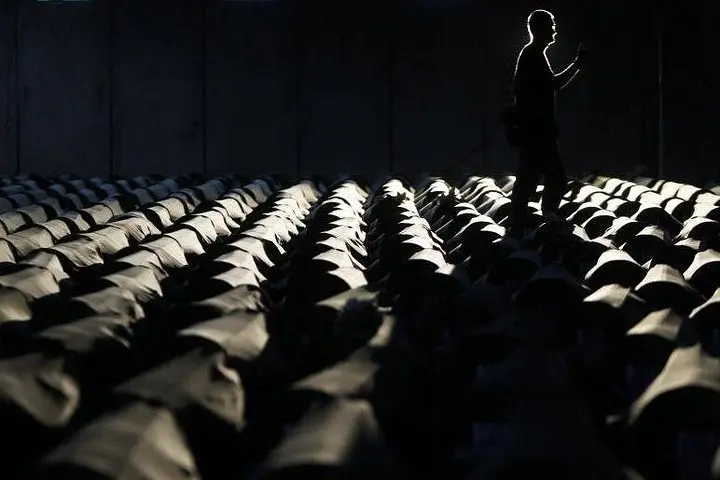
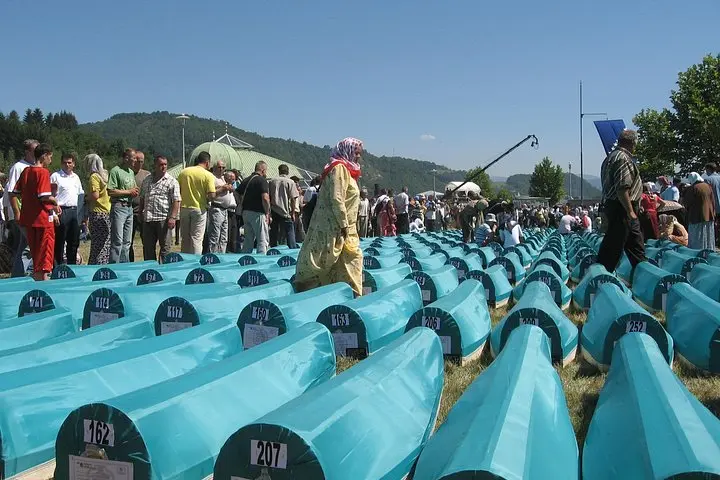
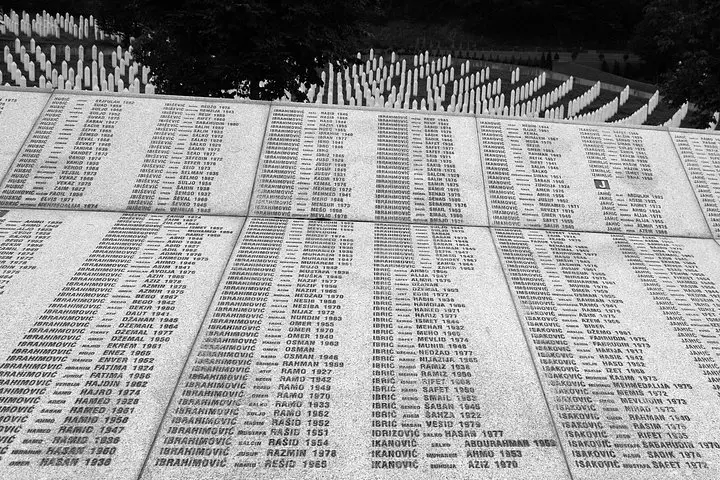
The day centers on the Potočari Memorial Centre and cemetery near Srebrenica, where more than 8,000 Muslim men and boys were killed in July 1995. Guides place those events within the breakup of Yugoslavia and the Bosnian War, explaining how a declared UN ‘‘safe area’’ became a scene of atrocity. The memorial’s simple stone walls, the rows of graves, and the documentary display combine personal testimony, archival footage, and forensic work that continued long after the killings.
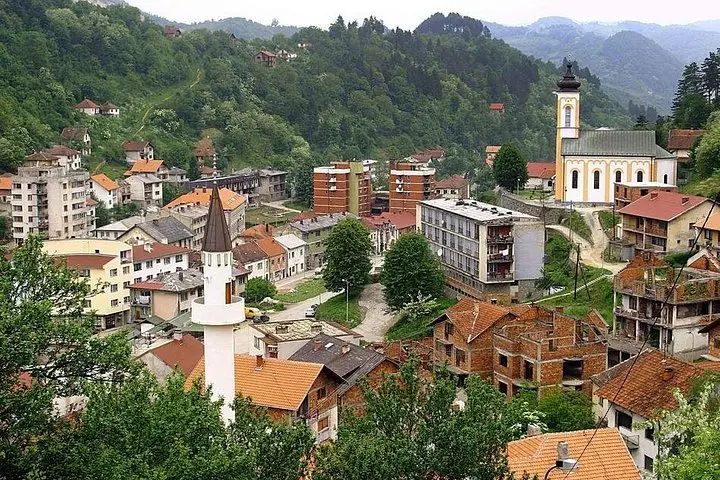
Geology and settlement patterns matter here: the Drina River valleys funneled movement and made towns like Srebrenica strategically important. Today the town shows quiet resilience—markets, bakeries, and everyday life continue alongside memorialization.
Practical guidance: expect a 10‑hour round trip from Sarajevo with several hours on site for the memorial and cemetery. Wear respectful, modest clothing; bring a refillable water bottle and layers—the highlands can be cold even in summer. The site is largely accessible but emotional intensity can be high; allow time for reflection. Photography is allowed in public areas but follow signage and requests from staff and survivors. Plan for a sober day that combines historical context with straightforward logistics—an important visit that requires preparation and respect.
The full tour is about 10 hours round trip, including several hours at the memorial, cemetery, and a stop in Srebrenica.
The Potočari Memorial Centre and cemetery have accessible routes and surfaces in key areas, but some outdoor paths may be uneven—contact the operator to confirm assistance.
Guides typically include trained local historians; some sessions at the memorial include survivor testimony delivered by people who experienced the events.
The tour is open to all ages, but the subject matter is intense; consider the emotional maturity of younger children before booking.
Toureedoo - Sarajevo City Tours operates guided outdoor trips and adventures with an emphasis on safety, stewardship, and memorable experiences.
You step onto the coach before dawn in Sarajevo and watch roadside hills pass like a quiet audience. The road east tightens into forested ridges and wide river valleys; the landscape—stone slabs, folded karst, and river terraces—holds the recent past in a stark way that leaves little room for easy conversation.
You step onto the coach before dawn in Sarajevo and watch roadside hills pass like a quiet audience. The road east tightens into forested ridges and wide river valleys; the landscape—stone slabs, folded karst, and river terraces—holds the recent past in a stark way that leaves little room for easy conversation.
The day centers on the Potočari Memorial Centre and cemetery near Srebrenica, where more than 8,000 Muslim men and boys were killed in July 1995. Guides place those events within the breakup of Yugoslavia and the Bosnian War, explaining how a declared UN ‘‘safe area’’ became a scene of atrocity. The memorial’s simple stone walls, the rows of graves, and the documentary display combine personal testimony, archival footage, and forensic work that continued long after the killings.
Geology and settlement patterns matter here: the Drina River valleys funneled movement and made towns like Srebrenica strategically important. Today the town shows quiet resilience—markets, bakeries, and everyday life continue alongside memorialization.
Practical guidance: expect a 10‑hour round trip from Sarajevo with several hours on site for the memorial and cemetery. Wear respectful, modest clothing; bring a refillable water bottle and layers—the highlands can be cold even in summer. The site is largely accessible but emotional intensity can be high; allow time for reflection. Photography is allowed in public areas but follow signage and requests from staff and survivors. Plan for a sober day that combines historical context with straightforward logistics—an important visit that requires preparation and respect.