THE ADVENTURE COLLECTIVE® · Independent discovery and booking for outdoor travel

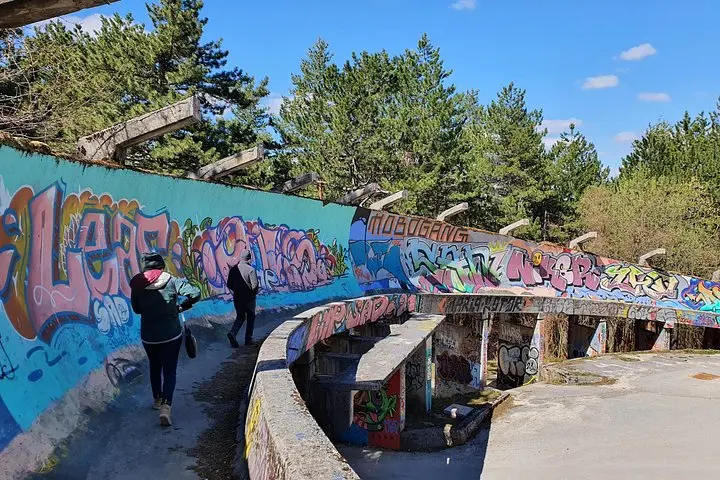
Explore Sarajevo’s wartime landscape in a focused half-day: visit frontlines on the hills, the abandoned Olympic bobsleigh track, Sniper Alley, and the Tunnel of Hope museum. This tour balances sobering history with clear context and practical logistics.
Explore Sarajevo’s wartime landscape in a focused half-day: visit frontlines on the hills, the abandoned Olympic bobsleigh track, Sniper Alley, and the Tunnel of Hope museum. This tour balances sobering history with clear context and practical logistics.
You step out of an air-conditioned minivan into a city where scars and life sit side by side. A narrow street hums with traffic while nearby hills still show the pale striping of wartime frontlines; the Miljacka River runs through the center, daring the city to forget.
Verified experiences and guided adventures in the surrounding area.
Operated by Torus Tours · Sarajevo, Federation of Bosnia and Herzegovina
You step out of an air-conditioned minivan into a city where scars and life sit side by side. A narrow street hums with traffic while nearby hills still show the pale striping of wartime frontlines; the Miljacka River runs through the center, daring the city to forget.
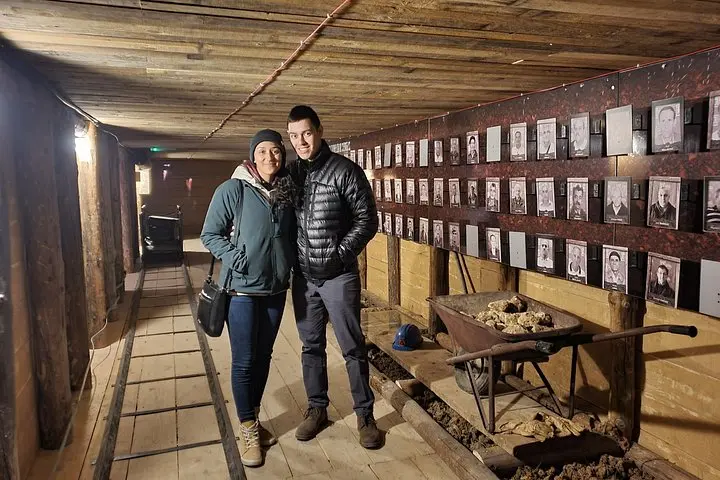
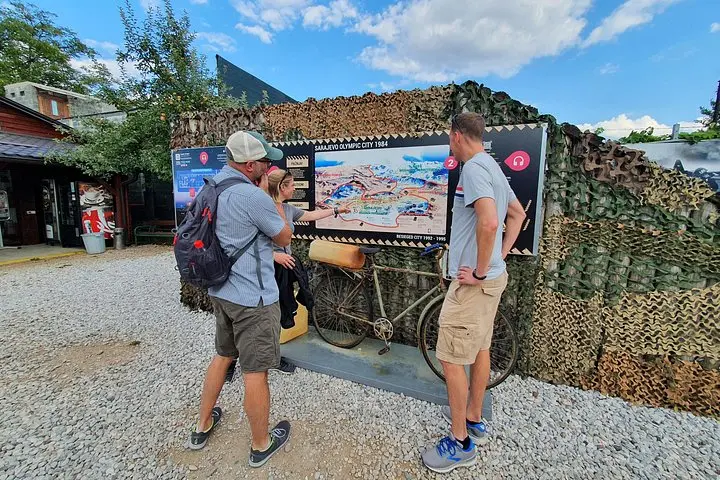
The tour threads modern Sarajevo with its recent past: neighborhoods that hosted the 1984 Winter Olympics now wear broken concrete and rusted rails from a different era. Guides lay out the Siege of Sarajevo in measured detail—how urban sniper lines climbed slopes, how everyday life rerouted through hidden corridors. The Tunnel of Hope, carved beneath the airport perimeter, is both engineering feat and grim lifeline; its museum preserves tools, photographs, and the practical ingenuity that kept food and medicine moving.
Geology and topography matter here—steep karst hills provided vantage points and defensive lines, while the river valley funneled movement and trade across epochs. Cultural notes appear in small things: Orthodox, Catholic, and Muslim sites within walking distance, a cuisine shaped by Ottoman and Austro-Hungarian layers.
Practical guidance: expect 3–4 hours with moderate walking, uneven surfaces at outdoor sites, and tight museum passages. Wear stable shoes, bring a light jacket (weather shifts on the ridgelines), and carry water—there are limited cafés on some stops. Photography is generally allowed but follow the guide in sensitive locations. The tour is suited for travelers wanting a focused, contextual visit to Sarajevo’s wartime landmarks without extensive trekking.
Entrance to the Tunnel of Hope museum and the War Tunnel is included in the tour price.
Yes—hotel pickup is listed as an inclusion; confirm pickup point when booking.
The tour is rated easy but includes uneven ground and some stairs; travelers with limited mobility should check specifics with the operator before booking.
Language options depend on the operator and guide availability—confirm at booking; small-group tours are often conducted in English.
Torus Tours operates guided outdoor trips and adventures with an emphasis on safety, stewardship, and memorable experiences.
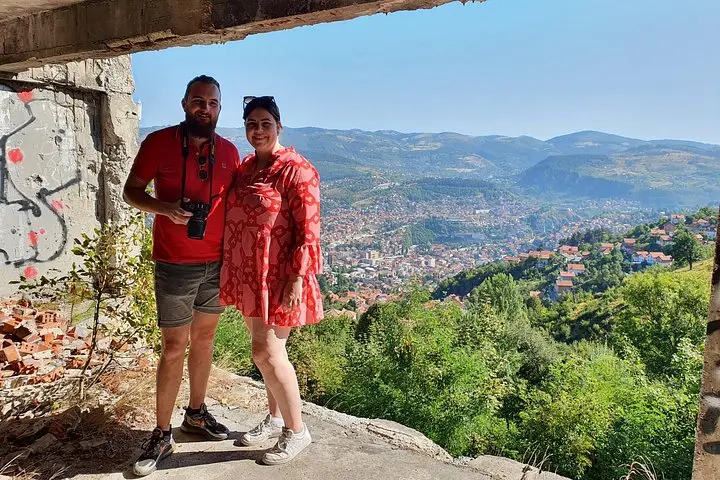
You step out of an air-conditioned minivan into a city where scars and life sit side by side. A narrow street hums with traffic while nearby hills still show the pale striping of wartime frontlines; the Miljacka River runs through the center, daring the city to forget.
You step out of an air-conditioned minivan into a city where scars and life sit side by side. A narrow street hums with traffic while nearby hills still show the pale striping of wartime frontlines; the Miljacka River runs through the center, daring the city to forget.
The tour threads modern Sarajevo with its recent past: neighborhoods that hosted the 1984 Winter Olympics now wear broken concrete and rusted rails from a different era. Guides lay out the Siege of Sarajevo in measured detail—how urban sniper lines climbed slopes, how everyday life rerouted through hidden corridors. The Tunnel of Hope, carved beneath the airport perimeter, is both engineering feat and grim lifeline; its museum preserves tools, photographs, and the practical ingenuity that kept food and medicine moving.
Geology and topography matter here—steep karst hills provided vantage points and defensive lines, while the river valley funneled movement and trade across epochs. Cultural notes appear in small things: Orthodox, Catholic, and Muslim sites within walking distance, a cuisine shaped by Ottoman and Austro-Hungarian layers.
Practical guidance: expect 3–4 hours with moderate walking, uneven surfaces at outdoor sites, and tight museum passages. Wear stable shoes, bring a light jacket (weather shifts on the ridgelines), and carry water—there are limited cafés on some stops. Photography is generally allowed but follow the guide in sensitive locations. The tour is suited for travelers wanting a focused, contextual visit to Sarajevo’s wartime landmarks without extensive trekking.