THE ADVENTURE COLLECTIVE® · Independent discovery and booking for outdoor travel

A four-hour guided study tour through Sarajevo’s siege landmarks and the Tunnel Museum. Walk Sniper Alley, view Trebević’s ruined hotel and panoramic outlooks, and learn the wartime story that shaped this resilient city.
A four-hour guided study tour through Sarajevo’s siege landmarks and the Tunnel Museum. Walk Sniper Alley, view Trebević’s ruined hotel and panoramic outlooks, and learn the wartime story that shaped this resilient city.
The guide gathers the group outside the Info Bosnia Tourist Information Center on Ferhadija, where the bustle of Sarajevo’s pedestrian street still hums despite the scars around it. Within minutes the city’s layered past unfolds from the minarets and Austro-Hungarian façades to lines of concrete and buildings pocked by wartime fire—each stop a page in a recent, raw history.
Verified experiences and guided adventures in the surrounding area.
Operated by Dream Balkans Travel · Sarajevo, Sarajevo Canton
The guide gathers the group outside the Info Bosnia Tourist Information Center on Ferhadija, where the bustle of Sarajevo’s pedestrian street still hums despite the scars around it. Within minutes the city’s layered past unfolds from the minarets and Austro-Hungarian façades to lines of concrete and buildings pocked by wartime fire—each stop a page in a recent, raw history.
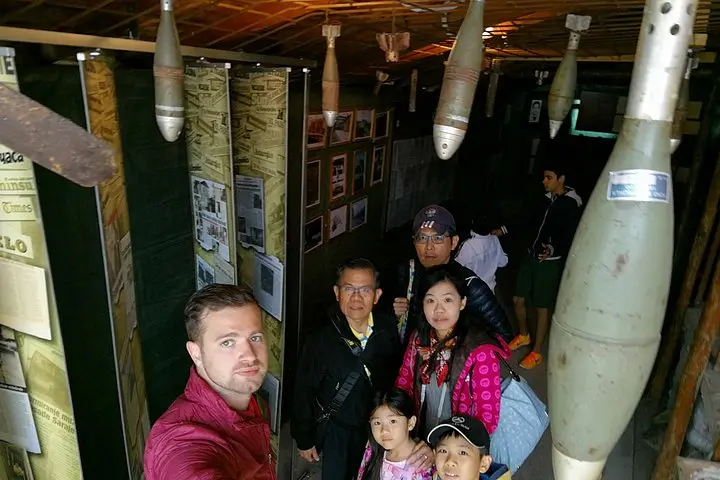
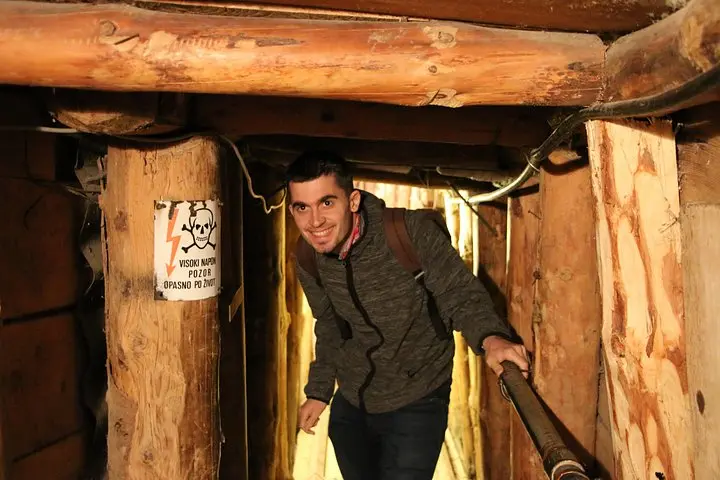
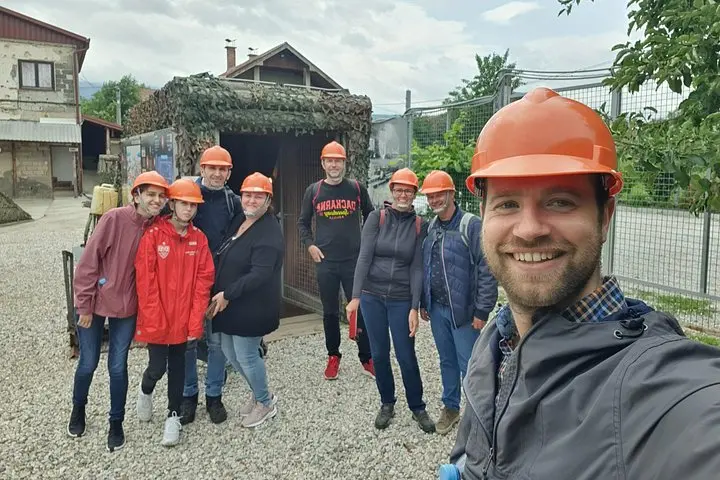
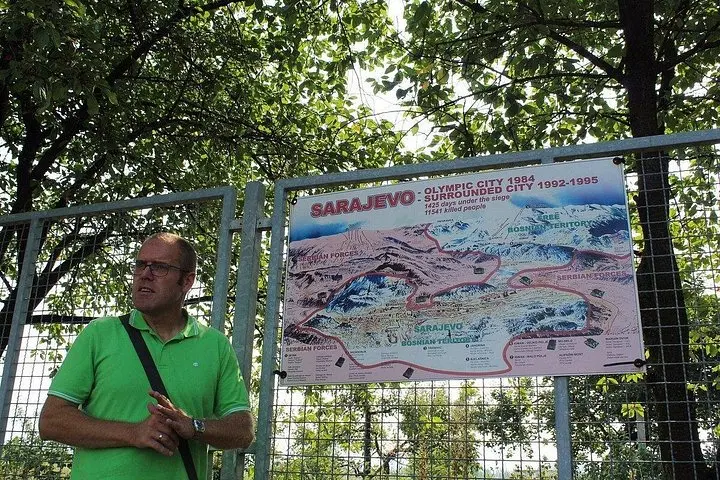
This four-hour study tour threads together Sarajevo’s 1990s siege landmarks: Sniper Alley, the War Tunnel Museum that supplied essentials during the blockade, the cratered Hotel-Restaurant Eight on Trebević, and the Yellow Bastion overlooking the old Ottoman quarter. Geologically, Trebević’s limestone slopes rise abruptly from the Miljacka valley, offering a vantage that made the mountain strategically crucial during the conflict. Culturally, Sarajevo’s multicultural identity—Bosniak, Serb, Croat, Jewish—shapes the memorials and the unusual second-largest Jewish cemetery in Europe below Trebević.
Practical guidance is straightforward: expect a mix of short walks, vehicle transfers, and uneven ground at historic sites. The Tunnel Museum visit includes a short film and presentation; admission policies vary, so confirm ahead. Wear sturdy shoes and layered clothing for mountain breezes, bring water, and allow time for quiet reflection at martyrs’ cemeteries and memorials. Photography is common but be respectful at memorial sites and when visiting religious spaces.
The tour balances history with landscape—urban streets that still bear the imprint of siege alongside a mountain that both threatened and framed the city—providing a measured, informative look at Sarajevo’s endurance and the physical traces of war.
Admission to the Tunnel Museum is typically not included; the tour includes a one-hour presentation at the site—confirm ticket details when booking.
The tour begins in front of the Info Bosnia Tourist Information Center on Ferhadija pedestrian street near Sarajevo Meeting of Cultures.
The operator states the tour is wheelchair accessible, though some stops involve uneven ground—advise the operator of mobility needs in advance.
Hotel pickup is offered for guests staying outside the Old Town; confirm pickup during booking if needed.
Dream Balkans Travel operates guided outdoor trips and adventures with an emphasis on safety, stewardship, and memorable experiences.
The guide gathers the group outside the Info Bosnia Tourist Information Center on Ferhadija, where the bustle of Sarajevo’s pedestrian street still hums despite the scars around it. Within minutes the city’s layered past unfolds from the minarets and Austro-Hungarian façades to lines of concrete and buildings pocked by wartime fire—each stop a page in a recent, raw history.
The guide gathers the group outside the Info Bosnia Tourist Information Center on Ferhadija, where the bustle of Sarajevo’s pedestrian street still hums despite the scars around it. Within minutes the city’s layered past unfolds from the minarets and Austro-Hungarian façades to lines of concrete and buildings pocked by wartime fire—each stop a page in a recent, raw history.
This four-hour study tour threads together Sarajevo’s 1990s siege landmarks: Sniper Alley, the War Tunnel Museum that supplied essentials during the blockade, the cratered Hotel-Restaurant Eight on Trebević, and the Yellow Bastion overlooking the old Ottoman quarter. Geologically, Trebević’s limestone slopes rise abruptly from the Miljacka valley, offering a vantage that made the mountain strategically crucial during the conflict. Culturally, Sarajevo’s multicultural identity—Bosniak, Serb, Croat, Jewish—shapes the memorials and the unusual second-largest Jewish cemetery in Europe below Trebević.
Practical guidance is straightforward: expect a mix of short walks, vehicle transfers, and uneven ground at historic sites. The Tunnel Museum visit includes a short film and presentation; admission policies vary, so confirm ahead. Wear sturdy shoes and layered clothing for mountain breezes, bring water, and allow time for quiet reflection at martyrs’ cemeteries and memorials. Photography is common but be respectful at memorial sites and when visiting religious spaces.
The tour balances history with landscape—urban streets that still bear the imprint of siege alongside a mountain that both threatened and framed the city—providing a measured, informative look at Sarajevo’s endurance and the physical traces of war.