THE ADVENTURE COLLECTIVE® · Independent discovery and booking for outdoor travel

A classic half-day climb above Pokhara, the Sarangkot Day Hike rewards early starters with sweeping views of the Annapurna and Dhaulagiri ranges, terraced villages, and a lively mountain-village atmosphere. Expect 3–4 hours uphill, exposed ridgelines, and the chance to watch paragliders launch beneath the sunrise.
A classic half-day climb above Pokhara, the Sarangkot Day Hike rewards early starters with sweeping views of the Annapurna and Dhaulagiri ranges, terraced villages, and a lively mountain-village atmosphere. Expect 3–4 hours uphill, exposed ridgelines, and the chance to watch paragliders launch beneath the sunrise.
Dawn in the Pokhara valley comes sharp and cool. You step out of the car at Pame, the village hush still in place, and the trail immediately climbs through terraces and prayer-flagged walls. The path alternates between packed dirt and stone steps, and as you gain height the roofs of Pokhara shrink while the Annapurna massif sharpens on the horizon — Dhaulagiri, Machhapuchhre (Fishtail) and the broad sweep of Annapurna I drawing the eye.
Verified experiences and guided adventures in the surrounding area.
Operated by Adventure Vision Treks and Travels · Pokhara, Gandaki Province
Dawn in the Pokhara valley comes sharp and cool. You step out of the car at Pame, the village hush still in place, and the trail immediately climbs through terraces and prayer-flagged walls. The path alternates between packed dirt and stone steps, and as you gain height the roofs of Pokhara shrink while the Annapurna massif sharpens on the horizon — Dhaulagiri, Machhapuchhre (Fishtail) and the broad sweep of Annapurna I drawing the eye.
This route follows traditional hill-village roads that have carried traders and farmers for generations. Geologically, Sarangkot sits on the lower foothills of the Himalaya where river-cut valleys reveal layered sediment and uplifted strata; from the viewpoint you can read the mountain-building story in the stacked ridgelines. Culturally the walk threads through Newar and Gurung communities—house gardens, terraced rice, and stone shrines that mark local rhythms.
On a clear morning the summit panorama is uncompromising; clouds can also create a dramatic curtain that makes the peaks suddenly appear. Paragliders launch nearby and the wind seems to push you forward, daring you to stand at the lip and watch the valley breathe.
Practical guidance: plan for a steady 3–4 hour uphill hike from Pame, with descent and transfers extending a full day. Bring layered clothing for variable winds and sun protection; the trail is exposed in places and muddy after rain. Hydrate frequently—there are limited services on the route—and wear sturdy footwear with good grip for stone steps. Aim for an early start to avoid afternoon haze and to catch the clearest Himalayan views.
The uphill route typically takes about 3–4 hours depending on pace and breaks; the full excursion including transfers is a full day.
A guide is not strictly required for the marked trail, but local guides add cultural context and handle logistics like timing and transport.
Moderate fitness for sustained uphill walking; those comfortable with 800–1,000 m total elevation gain and uneven trails will manage well.
Late autumn (October–November) and early spring (March–April) often have the clearest skies; mornings are best any time of year.
Adventure Vision Treks and Travels operates guided outdoor trips and adventures with an emphasis on safety, stewardship, and memorable experiences.
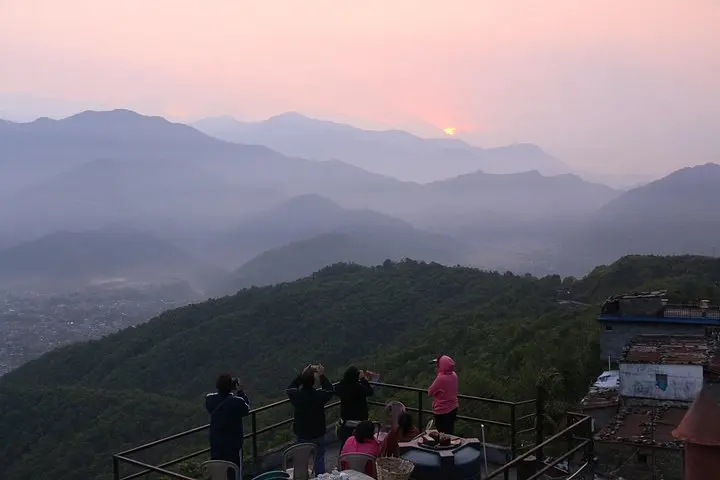
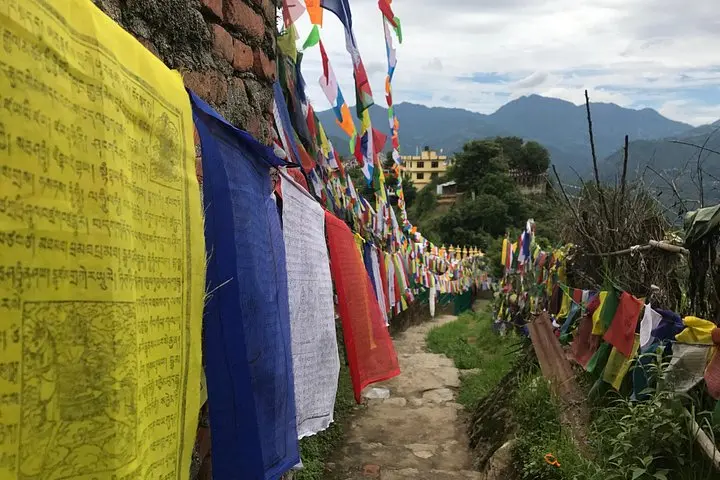
Dawn in the Pokhara valley comes sharp and cool. You step out of the car at Pame, the village hush still in place, and the trail immediately climbs through terraces and prayer-flagged walls. The path alternates between packed dirt and stone steps, and as you gain height the roofs of Pokhara shrink while the Annapurna massif sharpens on the horizon — Dhaulagiri, Machhapuchhre (Fishtail) and the broad sweep of Annapurna I drawing the eye.
Dawn in the Pokhara valley comes sharp and cool. You step out of the car at Pame, the village hush still in place, and the trail immediately climbs through terraces and prayer-flagged walls. The path alternates between packed dirt and stone steps, and as you gain height the roofs of Pokhara shrink while the Annapurna massif sharpens on the horizon — Dhaulagiri, Machhapuchhre (Fishtail) and the broad sweep of Annapurna I drawing the eye.
This route follows traditional hill-village roads that have carried traders and farmers for generations. Geologically, Sarangkot sits on the lower foothills of the Himalaya where river-cut valleys reveal layered sediment and uplifted strata; from the viewpoint you can read the mountain-building story in the stacked ridgelines. Culturally the walk threads through Newar and Gurung communities—house gardens, terraced rice, and stone shrines that mark local rhythms.
On a clear morning the summit panorama is uncompromising; clouds can also create a dramatic curtain that makes the peaks suddenly appear. Paragliders launch nearby and the wind seems to push you forward, daring you to stand at the lip and watch the valley breathe.
Practical guidance: plan for a steady 3–4 hour uphill hike from Pame, with descent and transfers extending a full day. Bring layered clothing for variable winds and sun protection; the trail is exposed in places and muddy after rain. Hydrate frequently—there are limited services on the route—and wear sturdy footwear with good grip for stone steps. Aim for an early start to avoid afternoon haze and to catch the clearest Himalayan views.