THE ADVENTURE COLLECTIVE® · Independent discovery and booking for outdoor travel

Catch sunrise over the Annapurna range from Sarangkot, then step into a Tibetan refugee settlement to sample local food, crafts and monastic life. This half-day tour pairs big mountain scenery with intimate cultural insight.
Catch sunrise over the Annapurna range from Sarangkot, then step into a Tibetan refugee settlement to sample local food, crafts and monastic life. This half-day tour pairs big mountain scenery with intimate cultural insight.
Dawn arrives over the Annapurna range like a slow, deliberate exhale. From Sarangkot’s ridge you feel the light push across jagged summits—Annapurna I, Dhaulagiri, Machapuchare—while Phewa Lake below glints and darkens in counterpoint.
Verified experiences and guided adventures in the surrounding area.
Operated by The Tibetan Encounter Day Tours P. Ltd · Pokhara, Gandaki Province
Dawn arrives over the Annapurna range like a slow, deliberate exhale. From Sarangkot’s ridge you feel the light push across jagged summits—Annapurna I, Dhaulagiri, Machapuchare—while Phewa Lake below glints and darkens in counterpoint.
Sarangkot began as a local watchpoint and has become Pokhara’s premier sunrise perch; the hill sits on older fluvial terraces carved by rivers that drain the Himalaya. The tour pairs that high-elevation panorama with a ground-level cultural exchange: a visit to a Tibetan refugee settlement where families, crafts, and a modest monastery keep Tibetan Buddhist practices alive in Nepal.
Expect a measured mix of landscape and living culture. You’ll watch the sun wash the peaks, then walk through alleys of homes and small shops, step into a family’s kitchen for a traditional breakfast, and meet a young monk in a peaceful gompa who can explain daily monastic life. The guide’s storytelling connects migration history, Buddhist ritual, and local adaptation—how refugees re-established livelihoods while preserving language and art.
Practical side: plan for an early pickup (before sunrise), layered clothing for sharp temperature swings, and steady shoes for uneven village paths and short uphill walks at Sarangkot. Photography windows are tight—arrive with batteries warm and lenses clear. Respect household privacy and monastery etiquette: ask before photographing people and remove shoes when required. This half-day loop delivers both the sky’s theatrics and a compact, respectful introduction to Tibetan community life outside Lhasa.
Pickup is scheduled before sunrise; the exact time varies by season and will be confirmed the day before—typically 4:00–5:30 AM.
Yes—this is an easy, low-impact tour, but participants should be able to board the vehicle and walk short distances on uneven ground.
Photography is usually allowed in public areas, but always ask permission before photographing monks or interior shrines and follow any posted rules.
Yes—the tour offers vegetarian and gluten-free options for the included breakfast; inform the operator of needs when booking.
The Tibetan Encounter Day Tours P. Ltd operates guided outdoor trips and adventures with an emphasis on safety, stewardship, and memorable experiences.
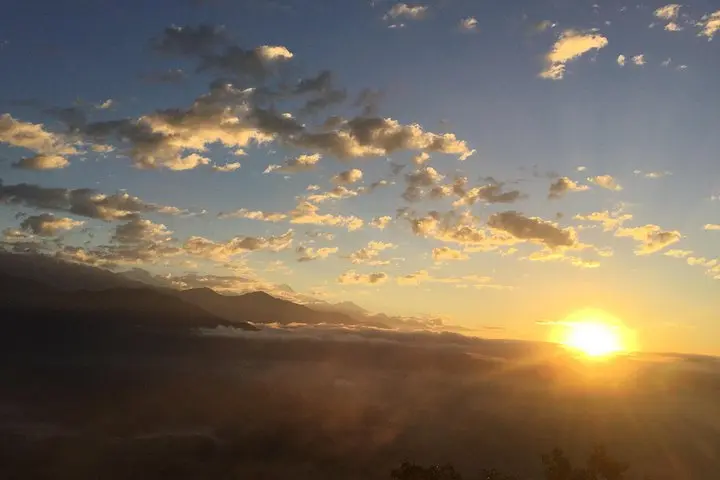
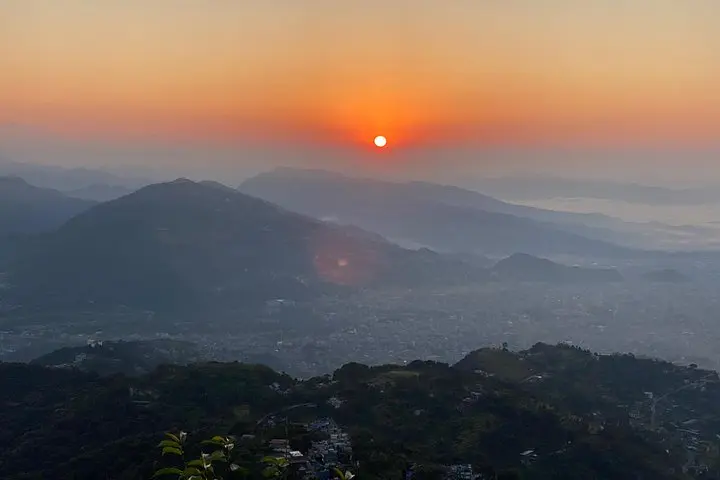
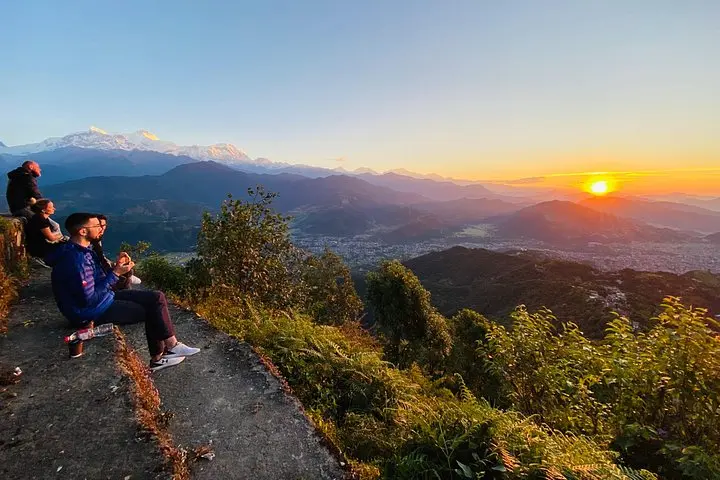
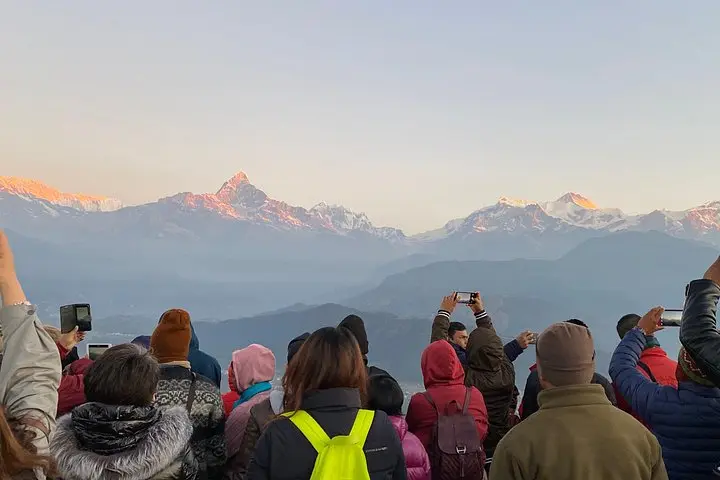
Dawn arrives over the Annapurna range like a slow, deliberate exhale. From Sarangkot’s ridge you feel the light push across jagged summits—Annapurna I, Dhaulagiri, Machapuchare—while Phewa Lake below glints and darkens in counterpoint.
Dawn arrives over the Annapurna range like a slow, deliberate exhale. From Sarangkot’s ridge you feel the light push across jagged summits—Annapurna I, Dhaulagiri, Machapuchare—while Phewa Lake below glints and darkens in counterpoint.
Sarangkot began as a local watchpoint and has become Pokhara’s premier sunrise perch; the hill sits on older fluvial terraces carved by rivers that drain the Himalaya. The tour pairs that high-elevation panorama with a ground-level cultural exchange: a visit to a Tibetan refugee settlement where families, crafts, and a modest monastery keep Tibetan Buddhist practices alive in Nepal.
Expect a measured mix of landscape and living culture. You’ll watch the sun wash the peaks, then walk through alleys of homes and small shops, step into a family’s kitchen for a traditional breakfast, and meet a young monk in a peaceful gompa who can explain daily monastic life. The guide’s storytelling connects migration history, Buddhist ritual, and local adaptation—how refugees re-established livelihoods while preserving language and art.
Practical side: plan for an early pickup (before sunrise), layered clothing for sharp temperature swings, and steady shoes for uneven village paths and short uphill walks at Sarangkot. Photography windows are tight—arrive with batteries warm and lenses clear. Respect household privacy and monastery etiquette: ask before photographing people and remove shoes when required. This half-day loop delivers both the sky’s theatrics and a compact, respectful introduction to Tibetan community life outside Lhasa.