THE ADVENTURE COLLECTIVE® · Independent discovery and booking for outdoor travel

Watch the Annapurna and Dhaulagiri ranges ignite at sunrise from Sarangkot, then walk a quieter village route to Naudanda through terraced fields, Gurung and Magar settlements, and open ridgelines. This moderate half-day hike pairs panoramic mountain views with authentic rural encounters.
Watch the Annapurna and Dhaulagiri ranges ignite at sunrise from Sarangkot, then walk a quieter village route to Naudanda through terraced fields, Gurung and Magar settlements, and open ridgelines. This moderate half-day hike pairs panoramic mountain views with authentic rural encounters.
The day begins before most of Pokhara is awake: Sarangkot’s ridge throws the first light across the Annapurna and Dhaulagiri ranges, and the sky dares you to climb. From that viewpoint the trail spills downhill and across terraces, moving from conifer-scented forest into mosaic villages where chickens, prayer flags and stone houses mark a rhythm older than tourism.
Verified experiences and guided adventures in the surrounding area.
Operated by AM Travels and Tours · Pokhara, Gandaki Province
The day begins before most of Pokhara is awake: Sarangkot’s ridge throws the first light across the Annapurna and Dhaulagiri ranges, and the sky dares you to climb. From that viewpoint the trail spills downhill and across terraces, moving from conifer-scented forest into mosaic villages where chickens, prayer flags and stone houses mark a rhythm older than tourism.
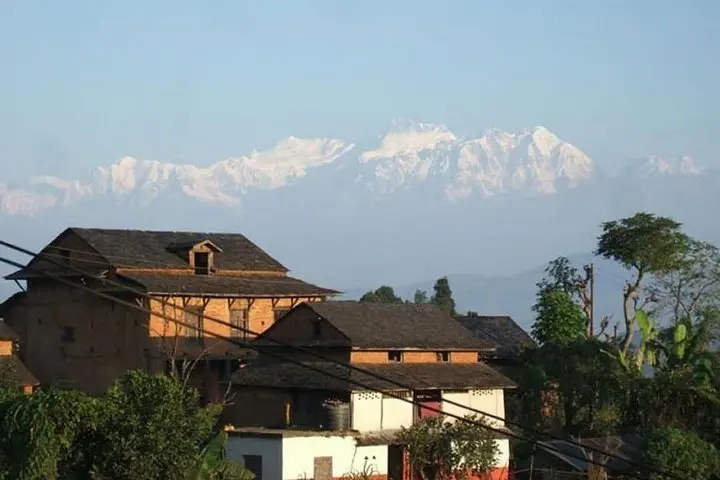
Geology here is visible in every switchback — uplifted Himalayan foothills folded and scoured by ancient glaciers, with narrow ridgelines giving way to broad valley views toward Machapuchare (Fishtail). Culturally the route threads through Gurung and Magar communities; traditional yards, hand-built stone walls and simple tea stops invite conversation and a glimpse into rural life shaped by mountains and monsoon.
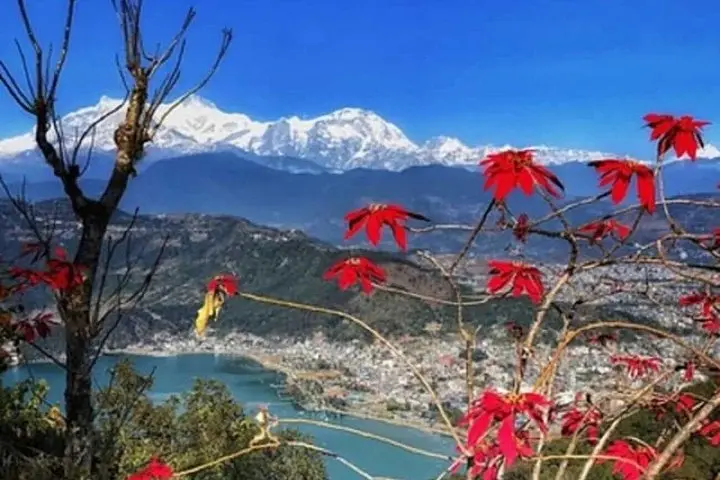
Expect well-worn dirt paths, occasional stone staircases, and open ridgelines that expose you to wind and sun. The walk covers roughly 6–8 km of mixed ascent and descent with a few short, steep sections — a steady moderate effort rather than technical climbing. Naudanda rewards with a panorama of Phewa Lake and the Pokhara valley; it’s quieter than main trekking corridors, offering space to breathe and photograph without the crowds.
Practical guidance: start at dawn for the sunrise and to avoid afternoon cloud build-up; carry 1–2 liters of water, sun protection and small Nepali rupee notes for teahouses. Footwear with good tread and ankle support helps on loose, stepped trail. Mobile signal can be intermittent; respect private land and ask before photographing homesteads. The route is ideal as a half-day escape from Pokhara with rich cultural contact and high-mountain scenery in compact form.
It’s a moderate half-day walk with some short steep pitches and uneven steps; no technical climbing, but a basic level of fitness is recommended.
No formal permit is required for this local route; a guide enhances cultural interpretation and navigation, and many operators include pickup from Pokhara.
Small teahouses and local shops appear in villages en route; facilities are basic—carry hand sanitizer and small change for toilets and tea.
Start before sunrise at Sarangkot for classic mountain light; mid- to late-morning is good too, but afternoons can cloud in the monsoon season.
AM Travels and Tours operates guided outdoor trips and adventures with an emphasis on safety, stewardship, and memorable experiences.
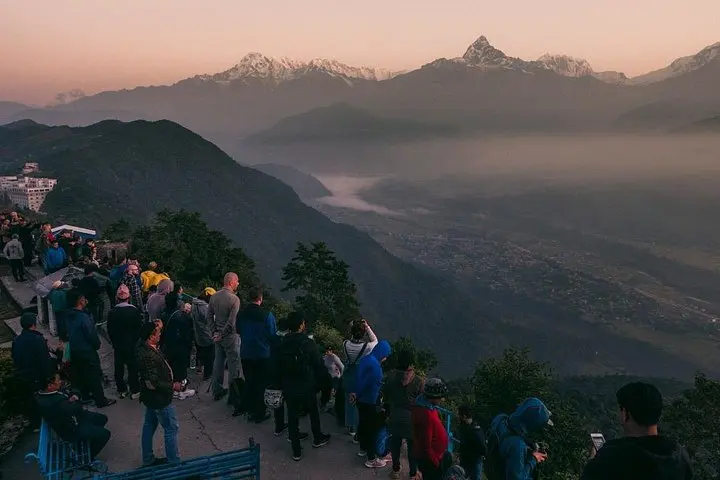
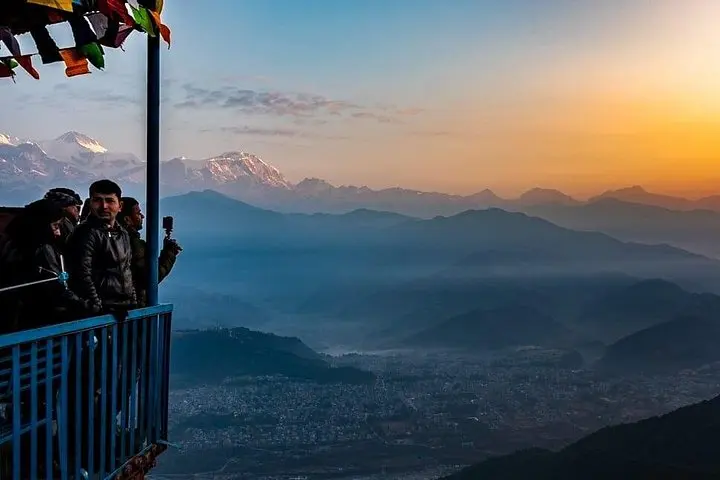
The day begins before most of Pokhara is awake: Sarangkot’s ridge throws the first light across the Annapurna and Dhaulagiri ranges, and the sky dares you to climb. From that viewpoint the trail spills downhill and across terraces, moving from conifer-scented forest into mosaic villages where chickens, prayer flags and stone houses mark a rhythm older than tourism.
The day begins before most of Pokhara is awake: Sarangkot’s ridge throws the first light across the Annapurna and Dhaulagiri ranges, and the sky dares you to climb. From that viewpoint the trail spills downhill and across terraces, moving from conifer-scented forest into mosaic villages where chickens, prayer flags and stone houses mark a rhythm older than tourism.
Geology here is visible in every switchback — uplifted Himalayan foothills folded and scoured by ancient glaciers, with narrow ridgelines giving way to broad valley views toward Machapuchare (Fishtail). Culturally the route threads through Gurung and Magar communities; traditional yards, hand-built stone walls and simple tea stops invite conversation and a glimpse into rural life shaped by mountains and monsoon.
Expect well-worn dirt paths, occasional stone staircases, and open ridgelines that expose you to wind and sun. The walk covers roughly 6–8 km of mixed ascent and descent with a few short, steep sections — a steady moderate effort rather than technical climbing. Naudanda rewards with a panorama of Phewa Lake and the Pokhara valley; it’s quieter than main trekking corridors, offering space to breathe and photograph without the crowds.
Practical guidance: start at dawn for the sunrise and to avoid afternoon cloud build-up; carry 1–2 liters of water, sun protection and small Nepali rupee notes for teahouses. Footwear with good tread and ankle support helps on loose, stepped trail. Mobile signal can be intermittent; respect private land and ask before photographing homesteads. The route is ideal as a half-day escape from Pokhara with rich cultural contact and high-mountain scenery in compact form.