THE ADVENTURE COLLECTIVE® · Independent discovery and booking for outdoor travel

A compact 2‑day trek from Pokhara’s Lakeside to Sarangkot and the World Peace Stupa—ideal for beginners seeking sunrise Himalayan views, village trails, and a short boat crossing on Phewa Lake.
A compact 2‑day trek from Pokhara’s Lakeside to Sarangkot and the World Peace Stupa—ideal for beginners seeking sunrise Himalayan views, village trails, and a short boat crossing on Phewa Lake.
You wake before dawn in Lakeside, the air already cool and the silhouette of Sarangkot cutting the skyline. A short walk through village lanes and terraced fields takes you upward; the trail tightens into forested switchbacks and opens onto a ridge where the first light slices across the Annapurna ring.
Verified experiences and guided adventures in the surrounding area.
Operated by CAN Travels · Pokhara, Gandaki Province
You wake before dawn in Lakeside, the air already cool and the silhouette of Sarangkot cutting the skyline. A short walk through village lanes and terraced fields takes you upward; the trail tightens into forested switchbacks and opens onto a ridge where the first light slices across the Annapurna ring.
This 1‑night, 2‑day route links Pokhara’s Lakeside to Sarangkot (≈1,590 m) and the World Peace Stupa overlooking Phewa Lake. Geologically, the walk follows fan terraces formed by Himalayan runoff; loose shale and packed earth demand steady footing. Culturally, villages en route are typical of the Gandaki region—stone walls, rice terraces, and small gompas—where you’ll meet farmers and tea‑stall proprietors who still greet trekkers with black tea and stories.
Expect Day 1 to cover roughly 6–8 km with an ascent of about 700–900 m from Lakeside; trails are a mix of village paths, stone steps, and forest tracks. Night is spent in a basic Sarangkot guesthouse with mountain views at sunset. Day 2 descends through rhododendron and oak forest toward Phewa Lake (a descent of ~600–800 m), with the option to cross the lake by boat to shorten the final walk. Terrain is generally easy but uneven; rain creates muddy sections and loose stones.
Practical tips: schedule sunrise for clear-weather vistas, carry layered clothing for rapid temperature swings, and keep cash for small purchases. Hydrate on the climb and use trekking poles for the steeper pitches. With modest fitness and good footwear, this route is an accessible introduction to Himalayan day trekking with big views and manageable logistics.
This is rated easy—trail gradients are steady but manageable; moderate fitness and comfortable hiking shoes are sufficient.
No special trekking permits are required for Sarangkot to World Peace Stupa; standard city entry and park permits are not necessary for this short route.
Altitudes remain below ~1,600 m so serious altitude sickness is unlikely; however, move at a comfortable pace and stay hydrated.
Yes — the itinerary commonly includes a boat crossing which shortens walking time and offers lake views; small fees apply.
CAN Travels operates guided outdoor trips and adventures with an emphasis on safety, stewardship, and memorable experiences.
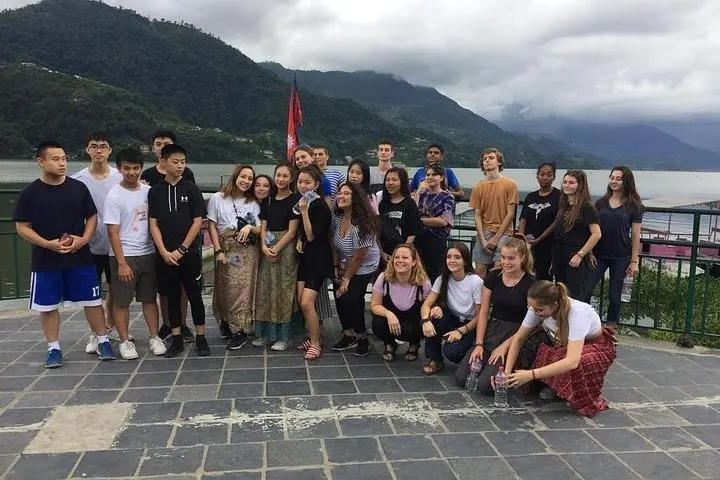
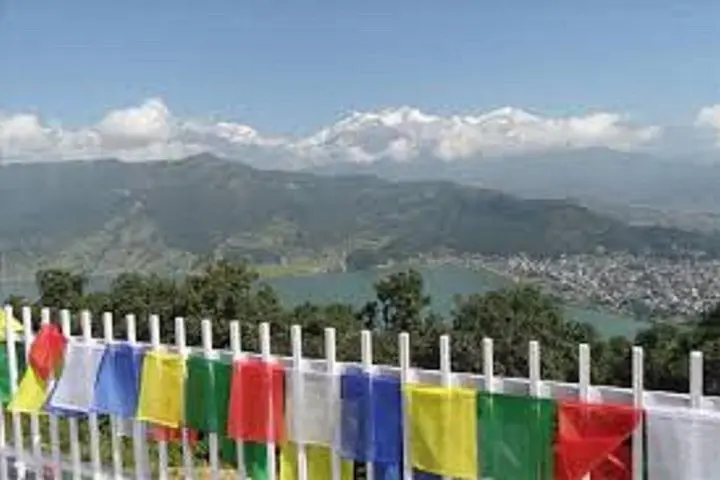
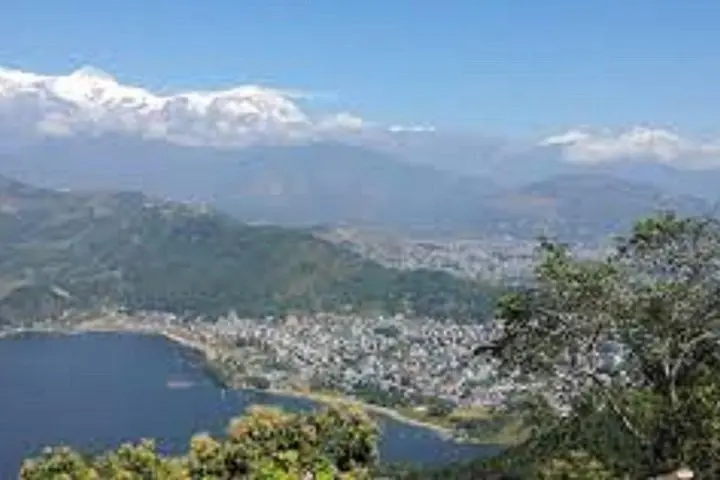
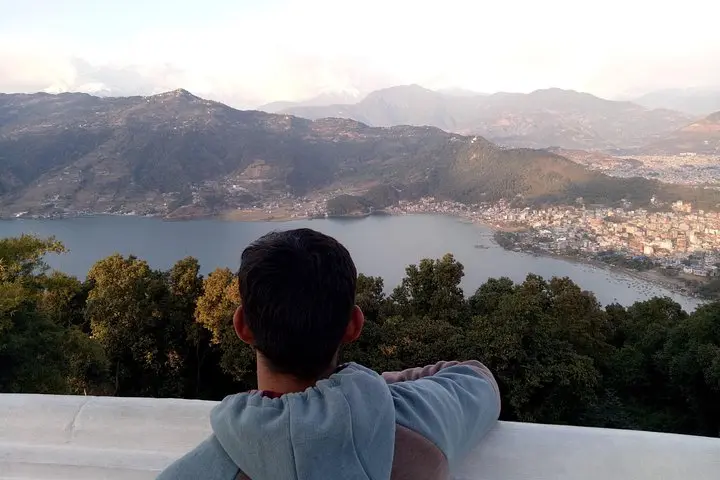
You wake before dawn in Lakeside, the air already cool and the silhouette of Sarangkot cutting the skyline. A short walk through village lanes and terraced fields takes you upward; the trail tightens into forested switchbacks and opens onto a ridge where the first light slices across the Annapurna ring.
You wake before dawn in Lakeside, the air already cool and the silhouette of Sarangkot cutting the skyline. A short walk through village lanes and terraced fields takes you upward; the trail tightens into forested switchbacks and opens onto a ridge where the first light slices across the Annapurna ring.
This 1‑night, 2‑day route links Pokhara’s Lakeside to Sarangkot (≈1,590 m) and the World Peace Stupa overlooking Phewa Lake. Geologically, the walk follows fan terraces formed by Himalayan runoff; loose shale and packed earth demand steady footing. Culturally, villages en route are typical of the Gandaki region—stone walls, rice terraces, and small gompas—where you’ll meet farmers and tea‑stall proprietors who still greet trekkers with black tea and stories.
Expect Day 1 to cover roughly 6–8 km with an ascent of about 700–900 m from Lakeside; trails are a mix of village paths, stone steps, and forest tracks. Night is spent in a basic Sarangkot guesthouse with mountain views at sunset. Day 2 descends through rhododendron and oak forest toward Phewa Lake (a descent of ~600–800 m), with the option to cross the lake by boat to shorten the final walk. Terrain is generally easy but uneven; rain creates muddy sections and loose stones.
Practical tips: schedule sunrise for clear-weather vistas, carry layered clothing for rapid temperature swings, and keep cash for small purchases. Hydrate on the climb and use trekking poles for the steeper pitches. With modest fitness and good footwear, this route is an accessible introduction to Himalayan day trekking with big views and manageable logistics.