THE ADVENTURE COLLECTIVE® · Independent discovery and booking for outdoor travel

Catch sunrise over Annapurna at Sarangkot, descend through village trails, cross Phewa Lake by boat and climb to the World Peace Stupa in a single long day. This route combines dramatic mountain views with local culture and a satisfying mix of terrain.
Catch sunrise over Annapurna at Sarangkot, descend through village trails, cross Phewa Lake by boat and climb to the World Peace Stupa in a single long day. This route combines dramatic mountain views with local culture and a satisfying mix of terrain.
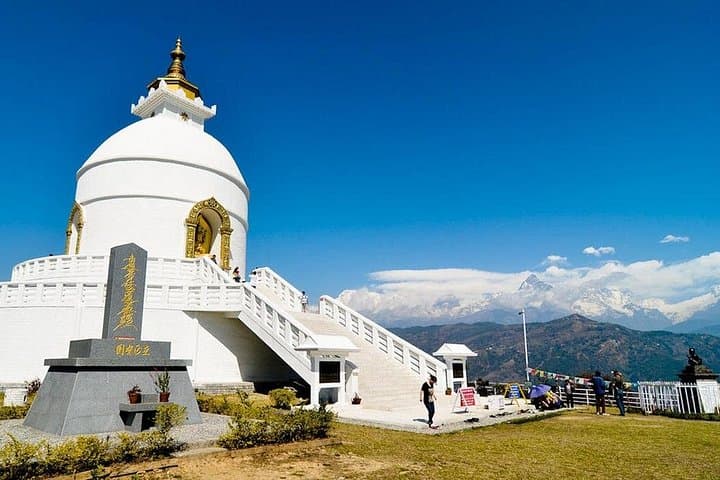
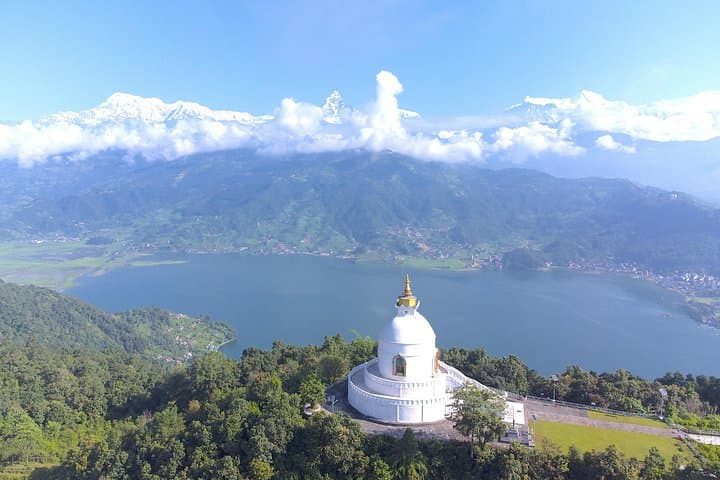
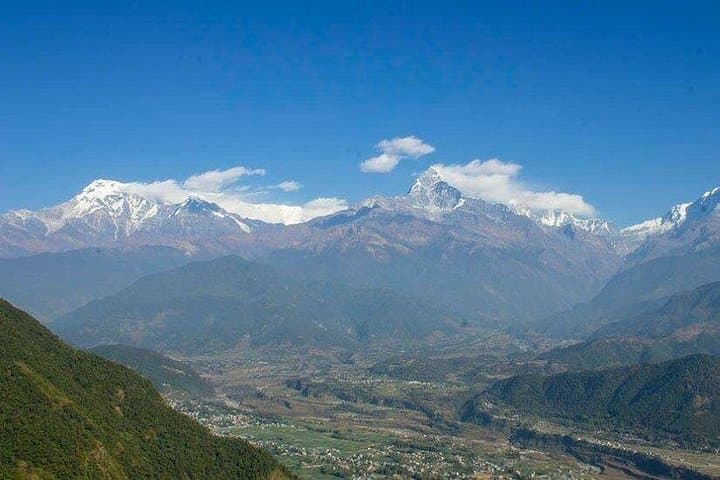
Before dawn the ridge at Sarangkot hums with anticipation: cold air, a line of silhouetted trekkers, and the first wash of gold across Annapurna and Dhaulagiri. From this high vantage the valley unrolls below—patchwork fields, the dark mirror of Phewa Lake and, far on a forested promontory, the white dome of the World Peace Stupa.
Verified experiences and guided adventures in the surrounding area.
Operated by Worldwide Tourism Inc - Highly Recommended Travel Company · Pokhara, Gandaki Province
Before dawn the ridge at Sarangkot hums with anticipation: cold air, a line of silhouetted trekkers, and the first wash of gold across Annapurna and Dhaulagiri. From this high vantage the valley unrolls below—patchwork fields, the dark mirror of Phewa Lake and, far on a forested promontory, the white dome of the World Peace Stupa.
The route follows long-used local trails that link hilltop hamlets, terraced farms and subtropical forest. Geologically the Annapurna massif is young, uplifted by the collision of the Indian and Eurasian plates; the sharp ridgelines and deep valley carved by seasonal monsoon runoff shape every view. Culturally the trail threads through Gurung and Magar villages—stone walls, prayer flags and small shrines punctuate the walk, and the Shanti Stupa itself was constructed as a modern viewpoint and place for quiet reflection.
Practically, expect a day of steady descent from Sarangkot toward the lakeshore, a short motorized boat crossing of Phewa (approx. 40 minutes including boarding), then a sustained climb up switchbacks to the Pagoda. Terrain alternates paved village lanes, packed earth tracks and rocky steps; total door-to-door time runs about 10–11 hours including transfers. Guides typically arrange hotel pickup in Lakeside and a return vehicle from Chhorepatan.
Bring layered clothing for big temperature swings, stout footwear for mixed terrain, and at least 2–3 liters of water. Start early to catch the light, move steadily on the steeper pitches, and allow time at the Stupa for the valley panorama and quiet before the final descent.
Physically it's moderate—long day on mixed terrain with a sustained climb to the Stupa; prior day-hike experience and basic fitness are recommended.
A boat ride across Phewa Lake is typically included and the water crossing and boarding take about 30–45 minutes depending on waits.
Reception is intermittent in forested sections; small tea shops and vendors appear near villages and the lakeshore, but carry water and snacks for continuous stretches.
The hike stays at valley and lower ridge elevations around Pokhara; significant altitude sickness is unlikely, but those with health concerns should consult a physician.
Worldwide Tourism Inc - Highly Recommended Travel Company operates guided outdoor trips and adventures with an emphasis on safety, stewardship, and memorable experiences.

Before dawn the ridge at Sarangkot hums with anticipation: cold air, a line of silhouetted trekkers, and the first wash of gold across Annapurna and Dhaulagiri. From this high vantage the valley unrolls below—patchwork fields, the dark mirror of Phewa Lake and, far on a forested promontory, the white dome of the World Peace Stupa.
Before dawn the ridge at Sarangkot hums with anticipation: cold air, a line of silhouetted trekkers, and the first wash of gold across Annapurna and Dhaulagiri. From this high vantage the valley unrolls below—patchwork fields, the dark mirror of Phewa Lake and, far on a forested promontory, the white dome of the World Peace Stupa.
The route follows long-used local trails that link hilltop hamlets, terraced farms and subtropical forest. Geologically the Annapurna massif is young, uplifted by the collision of the Indian and Eurasian plates; the sharp ridgelines and deep valley carved by seasonal monsoon runoff shape every view. Culturally the trail threads through Gurung and Magar villages—stone walls, prayer flags and small shrines punctuate the walk, and the Shanti Stupa itself was constructed as a modern viewpoint and place for quiet reflection.
Practically, expect a day of steady descent from Sarangkot toward the lakeshore, a short motorized boat crossing of Phewa (approx. 40 minutes including boarding), then a sustained climb up switchbacks to the Pagoda. Terrain alternates paved village lanes, packed earth tracks and rocky steps; total door-to-door time runs about 10–11 hours including transfers. Guides typically arrange hotel pickup in Lakeside and a return vehicle from Chhorepatan.
Bring layered clothing for big temperature swings, stout footwear for mixed terrain, and at least 2–3 liters of water. Start early to catch the light, move steadily on the steeper pitches, and allow time at the Stupa for the valley panorama and quiet before the final descent.