THE ADVENTURE COLLECTIVE® · Independent discovery and booking for outdoor travel

Catch sunrise over the Annapurna range from Sarangkot, hike down through forest and villages, cross Fewa Lake by rowing boat, then climb to the World Peace Stupa before exploring Devi’s Fall and Mahadev Cave. This compact day hike blends big mountain views with village trails and watery surprises.
Catch sunrise over the Annapurna range from Sarangkot, hike down through forest and villages, cross Fewa Lake by rowing boat, then climb to the World Peace Stupa before exploring Devi’s Fall and Mahadev Cave. This compact day hike blends big mountain views with village trails and watery surprises.
Before dawn the ridge at Sarangkot is a hush of cold air and expectant light—an eastward band of orange that grows across the Annapurna range as you climb. The hike begins with that sunrise, then moves through scrubby oak forest, terraced village fields, and a long downhill that opens to the glitter of Fewa Lake. The lake itself becomes an active participant: rowing boats slice quiet water as you cross toward the stupa.
Verified experiences and guided adventures in the surrounding area.
Operated by Couch Adventure Nepal (CAN) · Pokhara, Gandaki Province
Before dawn the ridge at Sarangkot is a hush of cold air and expectant light—an eastward band of orange that grows across the Annapurna range as you climb. The hike begins with that sunrise, then moves through scrubby oak forest, terraced village fields, and a long downhill that opens to the glitter of Fewa Lake. The lake itself becomes an active participant: rowing boats slice quiet water as you cross toward the stupa.
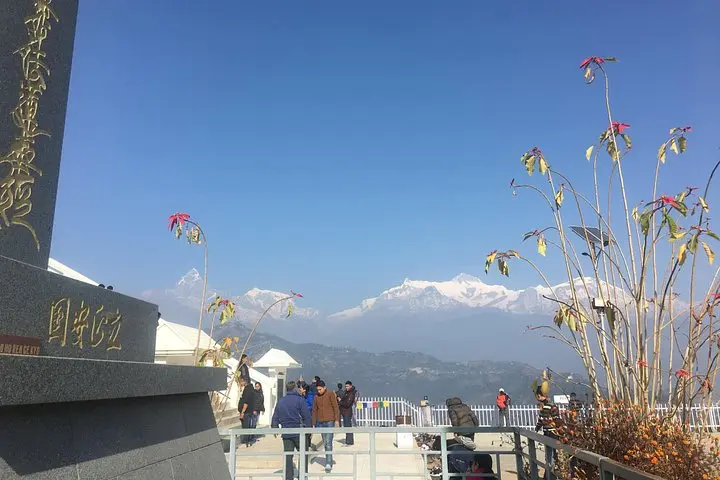
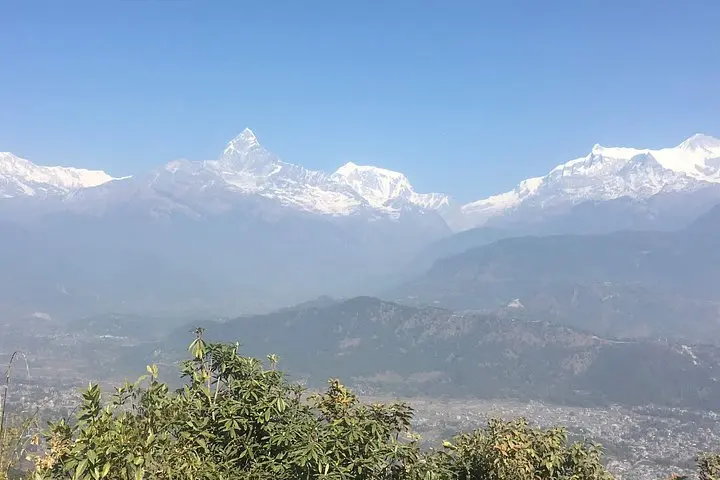
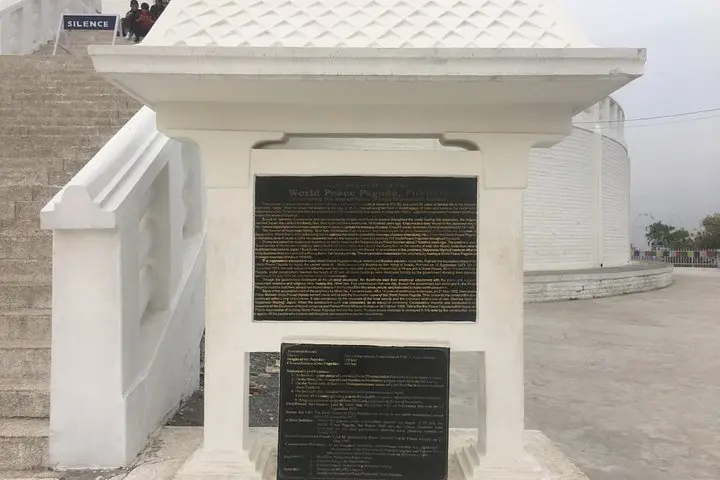
Geology and culture are close here. The hills are old folded rock uplifted by the collision that made the Himalaya; terraces and stone walls mark centuries of subsistence farming. The World Peace Stupa (Shanti) was built by Japanese Buddhists and sits like a white watchtower over Pokhara valley—its platform gives sweeping views of Annapurna, Machapuchhre, and the green amphitheater below. Devi’s Fall and Mahadev Cave add a watery, devotional contrast: a subterranean river and a small Hindu shrine tucked into a cavern.
Expect 5–6 hours on varied terrain: dirt paths, village tracks, stone steps and short, steep ascents/descents with roughly 300–500 m cumulative elevation change. A pre-dawn start avoids the midday heat and improves cloud-free views. Practical notes: wear grippy footwear for wet stone near the cave and waterfall, bring 1–2 liters of water, a warm layer for sunrise, and a small dry bag for valuables on the boat. Respect temple areas, follow your guide on steep sections, and plan for changing visibility—mountain views can appear and vanish with cloud as quickly as the wind moves.
The route is moderate: long walking time with some steep sections and uneven terrain; beginners with reasonable fitness and comfortable footwear can manage it with a guided group.
Yes—the itinerary includes a rowing boat crossing of Fewa Lake that takes about 20–60 minutes depending on route and conditions.
On clear mornings Sarangkot and the World Peace Stupa offer excellent views of the Annapurna range and Machapuchhre; visibility depends on season and cloud cover.
Entrance fees to Sarangkot, hotel pickup/drop-off within Lakeside, bottled water, the boat crossing and an English-speaking guide are listed as included in the tour details.
Couch Adventure Nepal (CAN) operates guided outdoor trips and adventures with an emphasis on safety, stewardship, and memorable experiences.
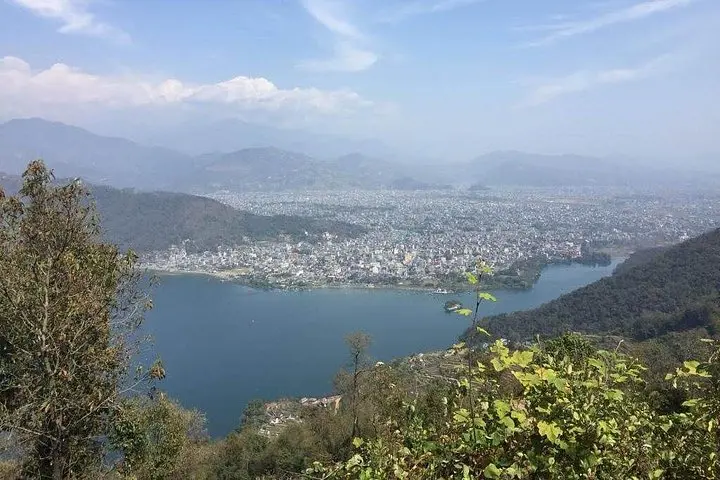
Before dawn the ridge at Sarangkot is a hush of cold air and expectant light—an eastward band of orange that grows across the Annapurna range as you climb. The hike begins with that sunrise, then moves through scrubby oak forest, terraced village fields, and a long downhill that opens to the glitter of Fewa Lake. The lake itself becomes an active participant: rowing boats slice quiet water as you cross toward the stupa.
Before dawn the ridge at Sarangkot is a hush of cold air and expectant light—an eastward band of orange that grows across the Annapurna range as you climb. The hike begins with that sunrise, then moves through scrubby oak forest, terraced village fields, and a long downhill that opens to the glitter of Fewa Lake. The lake itself becomes an active participant: rowing boats slice quiet water as you cross toward the stupa.
Geology and culture are close here. The hills are old folded rock uplifted by the collision that made the Himalaya; terraces and stone walls mark centuries of subsistence farming. The World Peace Stupa (Shanti) was built by Japanese Buddhists and sits like a white watchtower over Pokhara valley—its platform gives sweeping views of Annapurna, Machapuchhre, and the green amphitheater below. Devi’s Fall and Mahadev Cave add a watery, devotional contrast: a subterranean river and a small Hindu shrine tucked into a cavern.
Expect 5–6 hours on varied terrain: dirt paths, village tracks, stone steps and short, steep ascents/descents with roughly 300–500 m cumulative elevation change. A pre-dawn start avoids the midday heat and improves cloud-free views. Practical notes: wear grippy footwear for wet stone near the cave and waterfall, bring 1–2 liters of water, a warm layer for sunrise, and a small dry bag for valuables on the boat. Respect temple areas, follow your guide on steep sections, and plan for changing visibility—mountain views can appear and vanish with cloud as quickly as the wind moves.