THE ADVENTURE COLLECTIVE® · Independent discovery and booking for outdoor travel

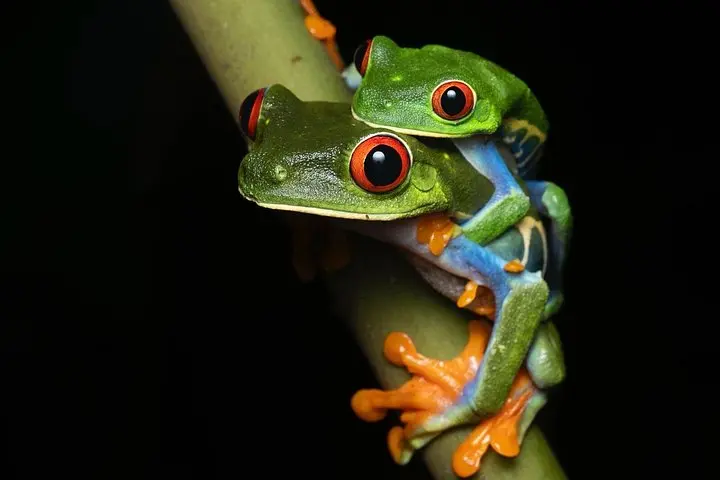
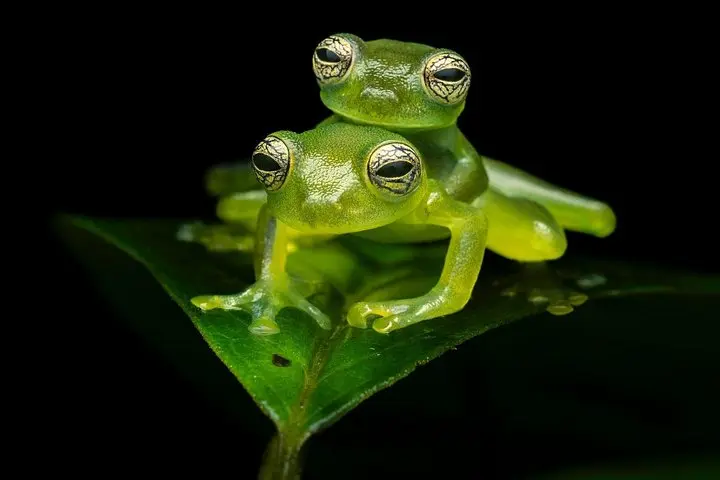
Step into the humid night of Sarapiquí and follow expert guides through ponds and stream edges alive with frogs. This 1–2 hour guided walk highlights glass frogs, red-eyed tree frogs and local ecology while offering practical tips for a safe, low-impact night in the rainforest.
Step into the humid night of Sarapiquí and follow expert guides through ponds and stream edges alive with frogs. This 1–2 hour guided walk highlights glass frogs, red-eyed tree frogs and local ecology while offering practical tips for a safe, low-impact night in the rainforest.
A warm, humid dark opens as your guide clicks on a lantern and the forest answers: a chorus of high-pitched trills, a single deeper croak, the shimmer of reflective eyes near a roadside pond. The Sarapiquí night frog tour drops you into the lowland tropical rainforest where springs, tributaries and wide river backwaters create the wet microhabitats amphibians favor.
Verified experiences and guided adventures in the surrounding area.
Operated by Sarapiquí Xperience · Puerto Viejo de Sarapiquí, Heredia
A warm, humid dark opens as your guide clicks on a lantern and the forest answers: a chorus of high-pitched trills, a single deeper croak, the shimmer of reflective eyes near a roadside pond. The Sarapiquí night frog tour drops you into the lowland tropical rainforest where springs, tributaries and wide river backwaters create the wet microhabitats amphibians favor.
Sarapiquí has long been shaped by water — the Sarapiquí River was a transport route for early settlers and later for banana and cacao export. Geologically the area sits on alluvial soils and volcanic detritus drained from the Central Highlands, producing shallow ponds, leaf-litter hollows and stream margins that concentrate frog life. Local communities mix Caribbean and rural Costa Rican culture; small farms and research stations nearby support both education and eco-tourism.
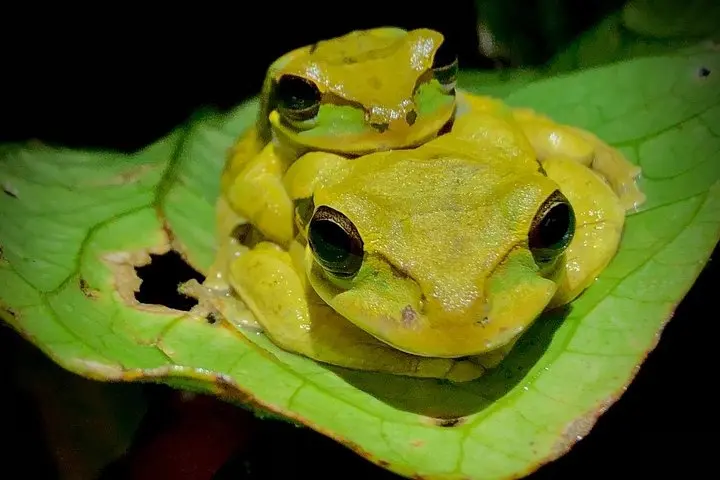
On a guided night walk you’ll move slowly along damp trails and boardwalks, lanterns sweeping for glass frogs, red-eyed tree frogs and larger terrestrial species. The guide interprets calls, explains breeding habitats, and stresses non-contact ethics — amphibians are sensitive to oils and pathogens.
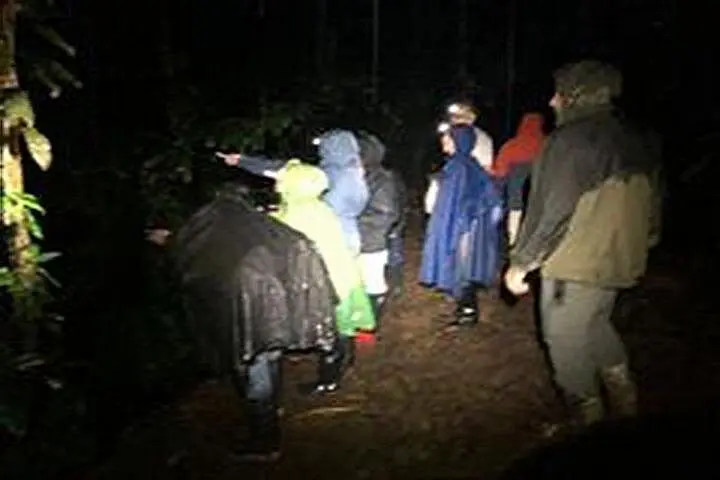
Practical guide: tours run about 1–2 hours, demand closed-toe waterproof shoes, and are family-friendly though not recommended for pregnant guests or those with serious heart conditions. Bring insect repellent, a rain layer, and a camera with low-light settings; avoid bright flashes. Stay on marked paths, keep voices low, and follow the guide’s directions when approaching ponds. Expect dirt, mud and the persistent chorus of a rainforest that’s very much awake at night.
Yes; the tour is listed as family-friendly and physically easy, but children should be supervised and wear closed-toe shoes.
No—guides will ask you not to touch amphibians to prevent stress and the spread of disease like chytrid fungus.
Yes—lanterns are provided for each participant, though bringing a small headlamp with a red filter is helpful.
The supplier lists wheelchair accessibility, but accessibility can vary by exact trail section—confirm specifics with the operator prior to booking.
Sarapiquí Xperience operates guided outdoor trips and adventures with an emphasis on safety, stewardship, and memorable experiences.
A warm, humid dark opens as your guide clicks on a lantern and the forest answers: a chorus of high-pitched trills, a single deeper croak, the shimmer of reflective eyes near a roadside pond. The Sarapiquí night frog tour drops you into the lowland tropical rainforest where springs, tributaries and wide river backwaters create the wet microhabitats amphibians favor.
A warm, humid dark opens as your guide clicks on a lantern and the forest answers: a chorus of high-pitched trills, a single deeper croak, the shimmer of reflective eyes near a roadside pond. The Sarapiquí night frog tour drops you into the lowland tropical rainforest where springs, tributaries and wide river backwaters create the wet microhabitats amphibians favor.
Sarapiquí has long been shaped by water — the Sarapiquí River was a transport route for early settlers and later for banana and cacao export. Geologically the area sits on alluvial soils and volcanic detritus drained from the Central Highlands, producing shallow ponds, leaf-litter hollows and stream margins that concentrate frog life. Local communities mix Caribbean and rural Costa Rican culture; small farms and research stations nearby support both education and eco-tourism.
On a guided night walk you’ll move slowly along damp trails and boardwalks, lanterns sweeping for glass frogs, red-eyed tree frogs and larger terrestrial species. The guide interprets calls, explains breeding habitats, and stresses non-contact ethics — amphibians are sensitive to oils and pathogens.
Practical guide: tours run about 1–2 hours, demand closed-toe waterproof shoes, and are family-friendly though not recommended for pregnant guests or those with serious heart conditions. Bring insect repellent, a rain layer, and a camera with low-light settings; avoid bright flashes. Stay on marked paths, keep voices low, and follow the guide’s directions when approaching ponds. Expect dirt, mud and the persistent chorus of a rainforest that’s very much awake at night.