THE ADVENTURE COLLECTIVE® · Independent discovery and booking for outdoor travel

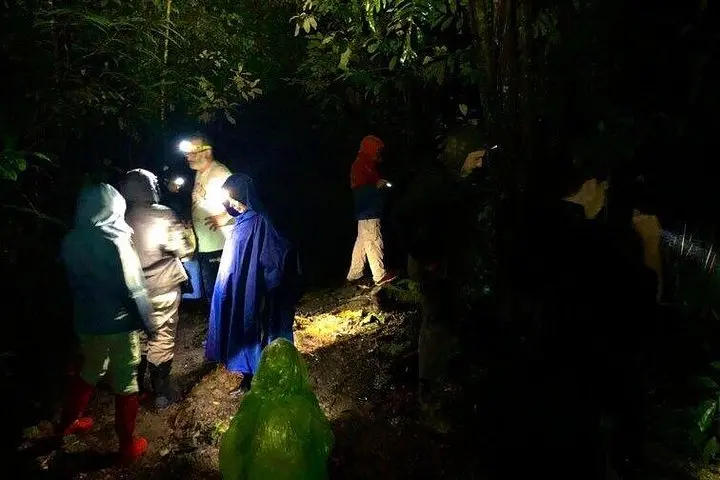
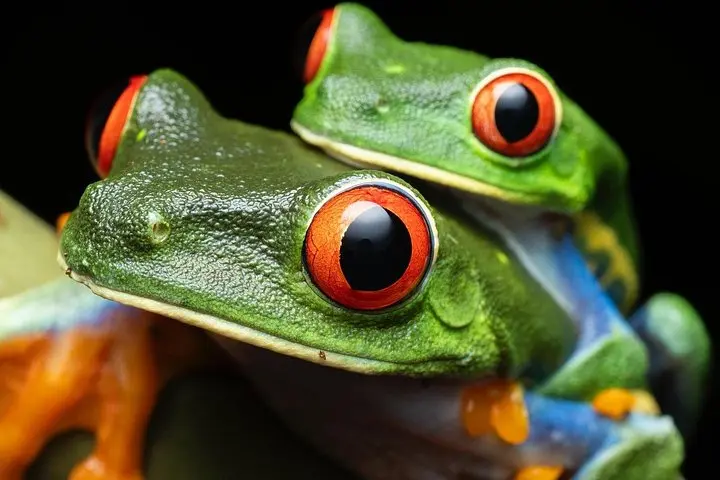
Walk the Sarapiquí rainforest after dark with a local guide and high-quality lanterns. This private, family-friendly night tour highlights frogs, owls and nocturnal insects on accessible cement and gravel trails.
Walk the Sarapiquí rainforest after dark with a local guide and high-quality lanterns. This private, family-friendly night tour highlights frogs, owls and nocturnal insects on accessible cement and gravel trails.
The jungle inhales at dusk and the trail becomes a narrow ribbon of lantern light as you step into a private Sarapiquí reserve. Cicadas drop out of earshot, and an urgent chorus of frogs dares you deeper: eyes glint like tiny moons among buttress roots and bromeliads.
Verified experiences and guided adventures in the surrounding area.
Operated by Sarapiquí Xperience · Puerto Viejo de Sarapiquí, Heredia
The jungle inhales at dusk and the trail becomes a narrow ribbon of lantern light as you step into a private Sarapiquí reserve. Cicadas drop out of earshot, and an urgent chorus of frogs dares you deeper: eyes glint like tiny moons among buttress roots and bromeliads.
This lowland Caribbean rainforest sits on alluvial soils fed by the Sarapiquí River network; the terrain is flat to gently rolling with cement and gravel paths that make evening exploration accessible for families and strollers. The reserve is managed by local owners whose work continues a regional shift from plantation agriculture toward conservation and eco-tourism — a cultural pivot visible in simple trail signage and shared knowledge from guides who grew up on these trails.
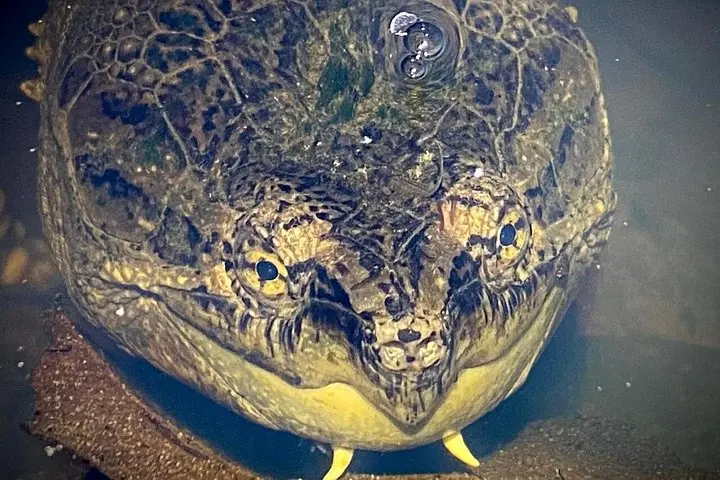
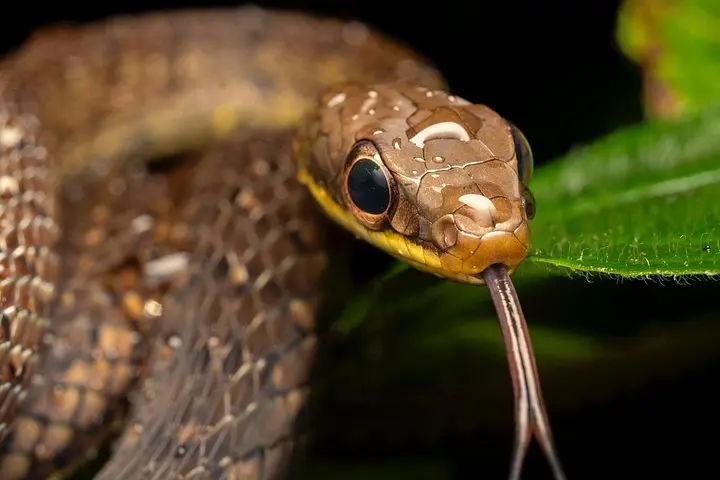
Expect to encounter tree frogs, nocturnal insects, owls and small mammals; fungi and epiphytes take on an almost theatrical presence after dark. Guides use high-quality lanterns to spotlight species without blinding them, teaching quick ID and why each organism matters to the forest’s resilience.
Practicalities: tours run 1–3 hours, are private and family-friendly, and are suitable for most fitness levels. Wear closed-toe shoes with good traction, bring insect repellent and a lightweight rain shell — storms can appear suddenly during the wet months. Photography with constant flash disturbs wildlife; use your guide’s cue for quick shots. Arrive a little early to settle your eyes; in the dark the forest reveals more if you move slowly and listen. This is an intimate, low-impact way to see Costa Rica’s nocturnal life while supporting local conservation.
Yes — paths are cement and gravel and the operator notes the one-hour frog tour is wheelchair and stroller accessible; check with the guide about terrain for longer tours.
Yes, high-quality lanterns/flashlights are provided to each visitor, but bringing a headlamp is useful for hands-free light.
No — the tour is described as physically easy with flat paths; basic mobility is sufficient.
Expect frogs, nocturnal insects, tree-dwelling birds and occasionally small mammals or owls; sightings depend on season and weather.
Sarapiquí Xperience operates guided outdoor trips and adventures with an emphasis on safety, stewardship, and memorable experiences.
The jungle inhales at dusk and the trail becomes a narrow ribbon of lantern light as you step into a private Sarapiquí reserve. Cicadas drop out of earshot, and an urgent chorus of frogs dares you deeper: eyes glint like tiny moons among buttress roots and bromeliads.
The jungle inhales at dusk and the trail becomes a narrow ribbon of lantern light as you step into a private Sarapiquí reserve. Cicadas drop out of earshot, and an urgent chorus of frogs dares you deeper: eyes glint like tiny moons among buttress roots and bromeliads.
This lowland Caribbean rainforest sits on alluvial soils fed by the Sarapiquí River network; the terrain is flat to gently rolling with cement and gravel paths that make evening exploration accessible for families and strollers. The reserve is managed by local owners whose work continues a regional shift from plantation agriculture toward conservation and eco-tourism — a cultural pivot visible in simple trail signage and shared knowledge from guides who grew up on these trails.
Expect to encounter tree frogs, nocturnal insects, owls and small mammals; fungi and epiphytes take on an almost theatrical presence after dark. Guides use high-quality lanterns to spotlight species without blinding them, teaching quick ID and why each organism matters to the forest’s resilience.
Practicalities: tours run 1–3 hours, are private and family-friendly, and are suitable for most fitness levels. Wear closed-toe shoes with good traction, bring insect repellent and a lightweight rain shell — storms can appear suddenly during the wet months. Photography with constant flash disturbs wildlife; use your guide’s cue for quick shots. Arrive a little early to settle your eyes; in the dark the forest reveals more if you move slowly and listen. This is an intimate, low-impact way to see Costa Rica’s nocturnal life while supporting local conservation.