THE ADVENTURE COLLECTIVE® · Independent discovery and booking for outdoor travel

Float into a three‑hour Sarapiquí River rafting trip where warm rainforest, Class II–III rapids and expert guides meet. Read on for what to expect, local wildlife, and practical tips to prepare.
Float into a three‑hour Sarapiquí River rafting trip where warm rainforest, Class II–III rapids and expert guides meet. Read on for what to expect, local wildlife, and practical tips to prepare.
You push off from the riverbank and the Sarapiquí takes hold — a broad, warm ribbon of water threading through lowland rainforest, teasing you with riffles that quickly turn into playful drops.
Verified experiences and guided adventures in the surrounding area.
Operated by Ríos Pura Vida · Puerto Viejo de Sarapiquí, Heredia
You push off from the riverbank and the Sarapiquí takes hold — a broad, warm ribbon of water threading through lowland rainforest, teasing you with riffles that quickly turn into playful drops.
The current here has carried timber and people for centuries: indigenous communities used corridors like Sarapiquí for travel long before coffee and banana plantations shaped the valley in the 19th and 20th centuries. Geologically the river runs across volcanic and alluvial soils, carving shallow channels and occasional boulder-strewn rapids that make for steady Class II–III runs well-suited to mixed groups.
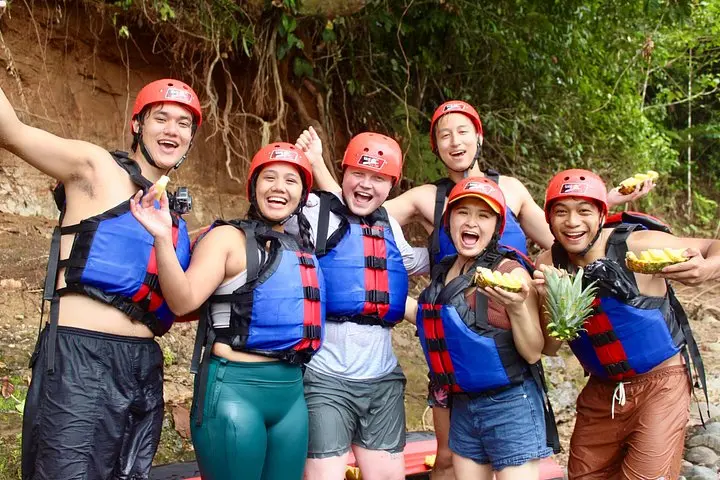
Local culture is visible in riverside farms, small roadside sodas serving fresh fruit, and conservation projects like Tirimbina and La Selva that protect an astonishing density of bird and amphibian life. Guides double as naturalists, pointing out toucan calls, howler monkey choruses, and the ways the current reorganizes logs after a storm.
Practical guidance: the trip runs about three hours including safety briefing and shuttle time. Wear a swim-ready base layer, secure footwear with decent tread, and bring a dry bag for phones. Hydrate before launch — tropical heat adds strain even on an easy paddle. Pay attention at the guide’s safety talk; proper forward strokes, brace techniques and how to re-enter a raft are covered and practiced.
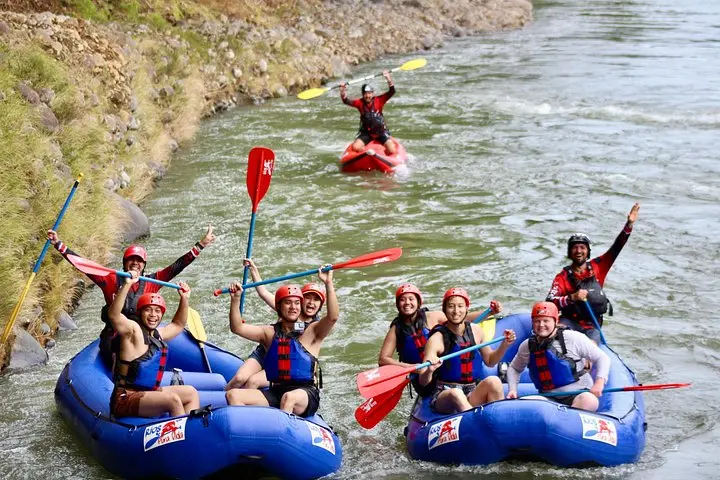
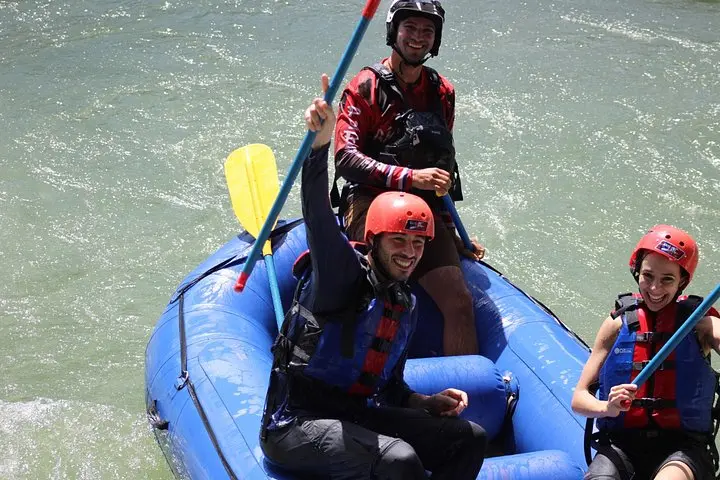
Timing: early morning departures offer cooler air and more wildlife activity; midday trips are brighter but hotter. Operators prioritize eco-friendly practices and provide lifejackets, helmets, and a safety kayaker for continuous support.
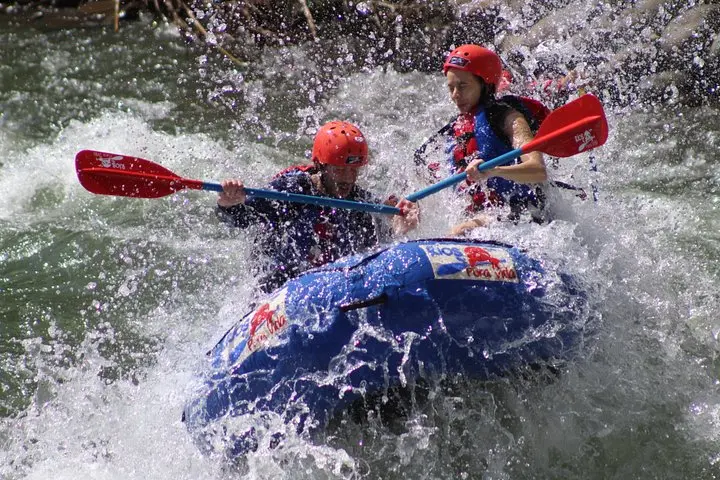
Expect mostly Class II–III rapids — fun, active water with occasional larger waves but suitable for beginners under guide supervision.
Yes; operators commonly adapt instructions and safety to families and groups, but children must meet age or size minimums set by the company.
No — certified guides provide a safety briefing and basic paddle instruction, making the trip accessible to first-timers in good health.
Yes — plan to get splashed or soaked. Bring a towel, dry clothes, sunscreen and a plastic bag for wet items; operators often provide showers or changing areas at base.
Ríos Pura Vida operates guided outdoor trips and adventures with an emphasis on safety, stewardship, and memorable experiences.
You push off from the riverbank and the Sarapiquí takes hold — a broad, warm ribbon of water threading through lowland rainforest, teasing you with riffles that quickly turn into playful drops.
You push off from the riverbank and the Sarapiquí takes hold — a broad, warm ribbon of water threading through lowland rainforest, teasing you with riffles that quickly turn into playful drops.
The current here has carried timber and people for centuries: indigenous communities used corridors like Sarapiquí for travel long before coffee and banana plantations shaped the valley in the 19th and 20th centuries. Geologically the river runs across volcanic and alluvial soils, carving shallow channels and occasional boulder-strewn rapids that make for steady Class II–III runs well-suited to mixed groups.
Local culture is visible in riverside farms, small roadside sodas serving fresh fruit, and conservation projects like Tirimbina and La Selva that protect an astonishing density of bird and amphibian life. Guides double as naturalists, pointing out toucan calls, howler monkey choruses, and the ways the current reorganizes logs after a storm.
Practical guidance: the trip runs about three hours including safety briefing and shuttle time. Wear a swim-ready base layer, secure footwear with decent tread, and bring a dry bag for phones. Hydrate before launch — tropical heat adds strain even on an easy paddle. Pay attention at the guide’s safety talk; proper forward strokes, brace techniques and how to re-enter a raft are covered and practiced.
Timing: early morning departures offer cooler air and more wildlife activity; midday trips are brighter but hotter. Operators prioritize eco-friendly practices and provide lifejackets, helmets, and a safety kayaker for continuous support.