THE ADVENTURE COLLECTIVE® · Independent discovery and booking for outdoor travel

Glide down the Sarapiquí in a private boat, watch monkeys and toucans score the canopy, then cross Tirimbina’s long suspension bridges for a rainforest walk. This full-day from San José pairs calm river wildlife watching with an accessible canopy experience.
Glide down the Sarapiquí in a private boat, watch monkeys and toucans score the canopy, then cross Tirimbina’s long suspension bridges for a rainforest walk. This full-day from San José pairs calm river wildlife watching with an accessible canopy experience.
The river opens before you like a dark ribbon—water humming under the hull, foliage leaning close enough to read between leaves. On a private two-hour boat safari down the Sarapiquí, howler monkeys announce your passage with a low, rolling chorus while kingfishers flash like punctuation along braided channels. The boat rides low and steady; the guide points out a sunning caiman, a patient iguana on a fallen log, and the occasional sloth, folded into an arm of the canopy.
Verified experiences and guided adventures in the surrounding area.
Operated by Greenway Nature Day Tours · Puerto Viejo de Sarapiquí, Heredia
The river opens before you like a dark ribbon—water humming under the hull, foliage leaning close enough to read between leaves. On a private two-hour boat safari down the Sarapiquí, howler monkeys announce your passage with a low, rolling chorus while kingfishers flash like punctuation along braided channels. The boat rides low and steady; the guide points out a sunning caiman, a patient iguana on a fallen log, and the occasional sloth, folded into an arm of the canopy.
Two hours on the water is only the opening act. After a short drive you reach La Tirimbina Biological Reserve, where 264 meters of suspension bridge span the Sarapiquí and hand you into the forest canopy. Trails here are intentionally accessible—short loops and boardwalks cut through microenvironments where leaf litter, orchids, and fungi mark the forest’s slow business. A second suspension bridge offers a different read on the same place: from above, the river is a ribbon of light; below, the understory moves with insect life and darting birds.
This corridor belongs to the lowland Caribbean rainforest of northeastern Costa Rica—tectonically recent land with alluvial soils, cut by meanders and oxbows that create rich wetland pockets. The area sits at low elevation (roughly 50–150 m), which keeps humidity high and wildlife active year-round. Historically, the Sarapiquí was a shipping lane and labor route; today it’s a lifeline for conservation, with reserves like Tirimbina balancing research, sustainable cacao projects, and education.
Practicalities are straightforward. The full day runs about eight hours from San José (including pickup, boat tour, Tirimbina walk, and lunch). Boat rides are calm but bring a light waterproof layer—rain and spray are common. Trails are short and mostly flat, so rubber-soled hiking shoes are fine; expect exposed roots and muddy patches after rain. Binoculars and a telephoto lens reward patience; a naturalist guide will do most of the spotting and identification. Hydration is essential in the lowland heat—carry at least 1–1.5 liters per person for the day.
Timing matters: mornings are best for birds and otters, afternoons bring more reptiles and the slow shuffle of sloths. Respect quiet zones—the guides ask for low voices to increase wildlife sightings. Conservation is visible here: only a fraction of Tirimbina is open to the public to protect research plots and wildlife corridors. The result is a day that mixes easy adventure with close, ethical encounters—river waters that dare you to look closer and forest bridges that hand you into another world.
Yes — pickup from your San José hotel lobby is included; confirm your pickup point when booking.
The private boat safari on the Sarapiquí lasts about two hours and is calm and low to the water.
No — trails are accessible, mostly flat, and suitable for most fitness levels; the suspension bridges add height but not strenuous climbing.
Common sightings include howler and capuchin monkeys, sloths, toucans, iguanas, river turtles, and caimans; sightings can’t be guaranteed.
Yes — the tour includes lunch and snacks, typically served after the boat safari and before the Tirimbina walk.
Yes — the operator offers infant seats and notes the activity is suitable for all physical fitness levels, but supervise children on suspension bridges and near riverbanks.
Greenway Nature Day Tours operates guided outdoor trips and adventures with an emphasis on safety, stewardship, and memorable experiences.
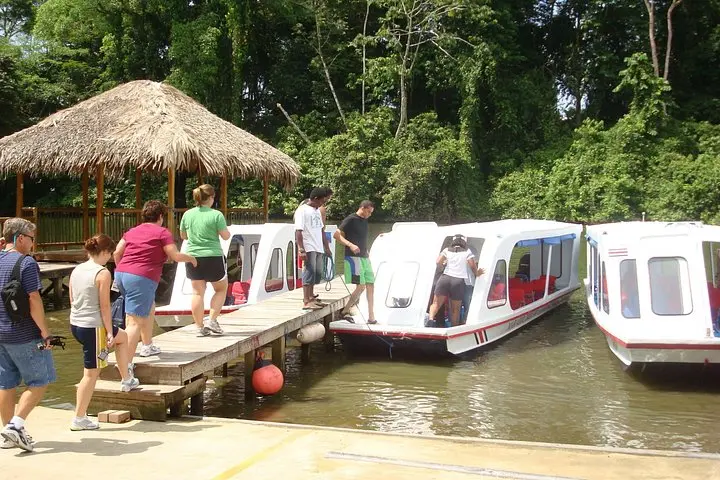
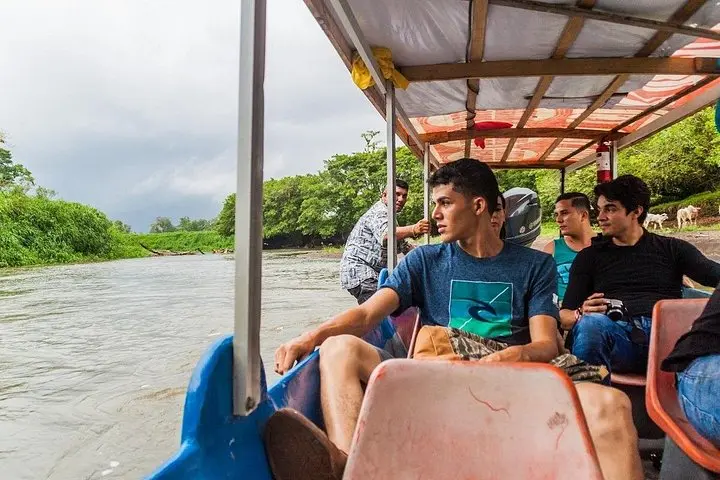
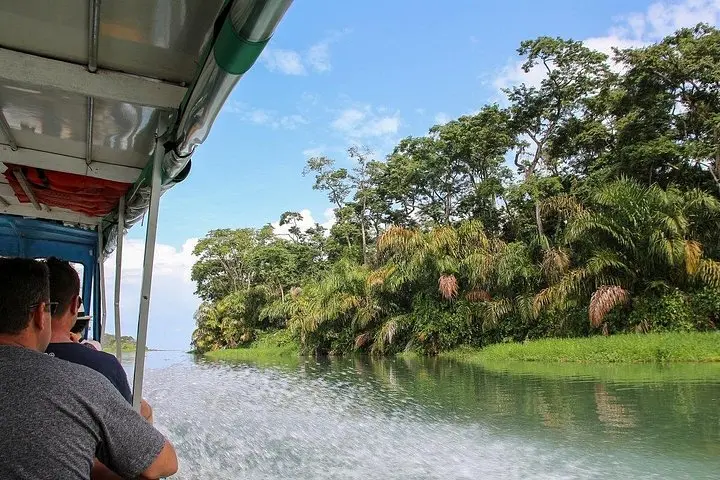
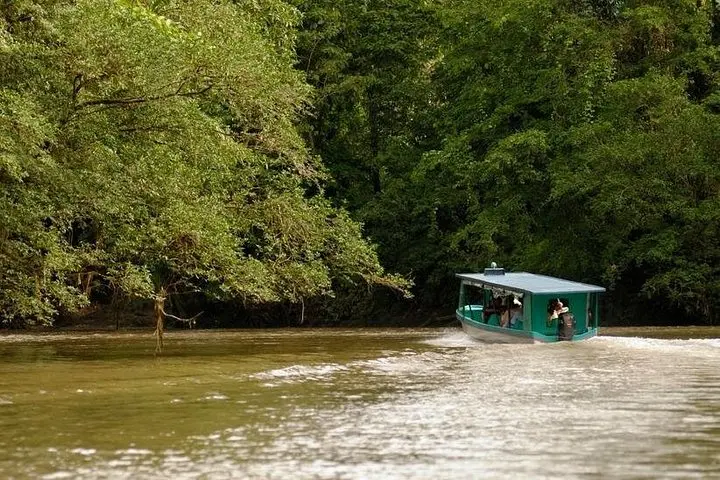
The river opens before you like a dark ribbon—water humming under the hull, foliage leaning close enough to read between leaves. On a private two-hour boat safari down the Sarapiquí, howler monkeys announce your passage with a low, rolling chorus while kingfishers flash like punctuation along braided channels. The boat rides low and steady; the guide points out a sunning caiman, a patient iguana on a fallen log, and the occasional sloth, folded into an arm of the canopy.
The river opens before you like a dark ribbon—water humming under the hull, foliage leaning close enough to read between leaves. On a private two-hour boat safari down the Sarapiquí, howler monkeys announce your passage with a low, rolling chorus while kingfishers flash like punctuation along braided channels. The boat rides low and steady; the guide points out a sunning caiman, a patient iguana on a fallen log, and the occasional sloth, folded into an arm of the canopy.
Two hours on the water is only the opening act. After a short drive you reach La Tirimbina Biological Reserve, where 264 meters of suspension bridge span the Sarapiquí and hand you into the forest canopy. Trails here are intentionally accessible—short loops and boardwalks cut through microenvironments where leaf litter, orchids, and fungi mark the forest’s slow business. A second suspension bridge offers a different read on the same place: from above, the river is a ribbon of light; below, the understory moves with insect life and darting birds.
This corridor belongs to the lowland Caribbean rainforest of northeastern Costa Rica—tectonically recent land with alluvial soils, cut by meanders and oxbows that create rich wetland pockets. The area sits at low elevation (roughly 50–150 m), which keeps humidity high and wildlife active year-round. Historically, the Sarapiquí was a shipping lane and labor route; today it’s a lifeline for conservation, with reserves like Tirimbina balancing research, sustainable cacao projects, and education.
Practicalities are straightforward. The full day runs about eight hours from San José (including pickup, boat tour, Tirimbina walk, and lunch). Boat rides are calm but bring a light waterproof layer—rain and spray are common. Trails are short and mostly flat, so rubber-soled hiking shoes are fine; expect exposed roots and muddy patches after rain. Binoculars and a telephoto lens reward patience; a naturalist guide will do most of the spotting and identification. Hydration is essential in the lowland heat—carry at least 1–1.5 liters per person for the day.
Timing matters: mornings are best for birds and otters, afternoons bring more reptiles and the slow shuffle of sloths. Respect quiet zones—the guides ask for low voices to increase wildlife sightings. Conservation is visible here: only a fraction of Tirimbina is open to the public to protect research plots and wildlife corridors. The result is a day that mixes easy adventure with close, ethical encounters—river waters that dare you to look closer and forest bridges that hand you into another world.