THE ADVENTURE COLLECTIVE® · Independent discovery and booking for outdoor travel

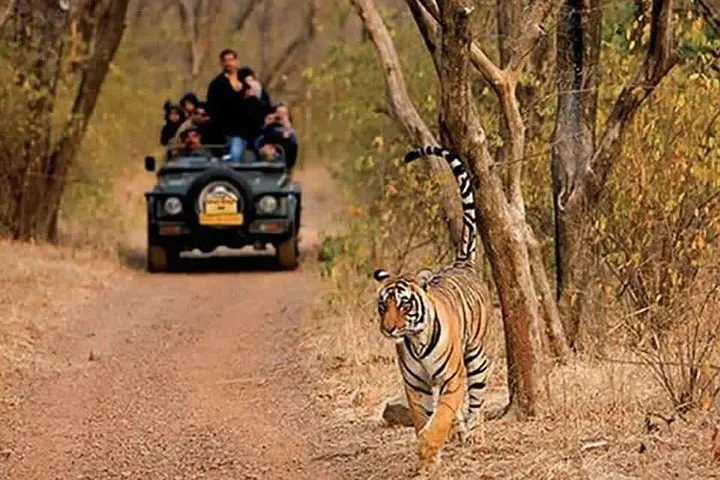
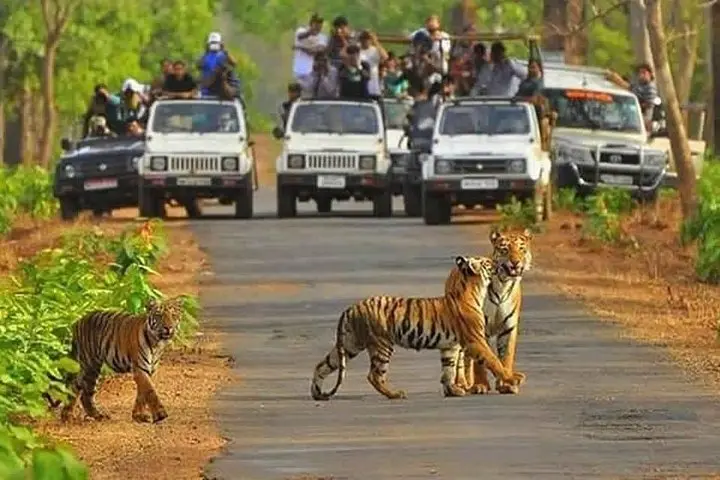
Drive from Jaipur into the Aravalli foothills for a jeep safari through Sariska Tiger Reserve. Expect scrub-thorn forests, rocky ridges, and the chance to see tigers, nilgai, and resident birds on a full-day wildlife outing.
Drive from Jaipur into the Aravalli foothills for a jeep safari through Sariska Tiger Reserve. Expect scrub-thorn forests, rocky ridges, and the chance to see tigers, nilgai, and resident birds on a full-day wildlife outing.
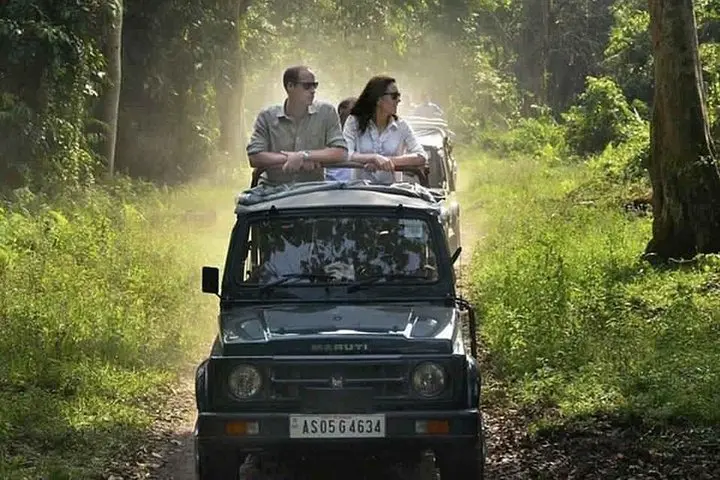
You step out of Jaipur's morning haze and the road tightens into granite ridges; the scrub-thorn forest of Sariska stretches ahead like a living map. Dust lifts as the jeep threads sandy tracks, and every bend teases another possible sighting—peacocks fan, nilgai freeze, and the forest's low hum presses close.
Verified experiences and guided adventures in the surrounding area.
Operated by TF Holidays India · Alwar, Rajasthan
You step out of Jaipur's morning haze and the road tightens into granite ridges; the scrub-thorn forest of Sariska stretches ahead like a living map. Dust lifts as the jeep threads sandy tracks, and every bend teases another possible sighting—peacocks fan, nilgai freeze, and the forest's low hum presses close.
Sariska sits in Alwar district on the Aravalli foothills, an 881 km² mosaic of dry deciduous woods, grassland pockets and rocky outcrops. Once the Alwar state's hunting preserve, it was designated a wildlife reserve in 1955 and later became a tiger reserve; after local tiger numbers crashed, reintroduction efforts in the 2000s restored big-cat presence. The geology is old Aravalli rock—weathered, folded ridges that shape narrow valleys and watering holes where animals gather at dawn.
Culturally the area blends rural Rajasthani life with reserve management; small villages fringe the park, and local guides bring both tracking skill and regional stories. Bhangarh Fort and Siliserh Lake are nearby if your schedule allows.
Practically: safaris run in early morning and late afternoon to align with animal activity; jeeps seat up to six, canters carry larger groups, and the park is closed on Wednesdays. Carry original ID (passport number is required), a good pair of binoculars, sun protection and water. Wear sturdy shoes for brief walks at designated spots and keep noise low—wildlife answers silence. Expect long, dusty drives and variable sighting odds: patience and timing are your best allies.
No—sightings depend on animal movements; mornings and late afternoons improve chances, but patience and multiple visits raise odds.
Pickup is included only if you book a transfer + Sariska tickets option; otherwise you must arrange your own transport to the meeting point.
Yes, but infants must sit on an adult’s lap and the jeep/canter seating and park rules apply—check age and health advisories before booking.
Timings vary seasonally (early morning and afternoon slots). Typical windows shift between 6:00–10:30 AM and 2:00–7:00 PM depending on the month—confirm when booking.
TF Holidays India operates guided outdoor trips and adventures with an emphasis on safety, stewardship, and memorable experiences.
You step out of Jaipur's morning haze and the road tightens into granite ridges; the scrub-thorn forest of Sariska stretches ahead like a living map. Dust lifts as the jeep threads sandy tracks, and every bend teases another possible sighting—peacocks fan, nilgai freeze, and the forest's low hum presses close.
You step out of Jaipur's morning haze and the road tightens into granite ridges; the scrub-thorn forest of Sariska stretches ahead like a living map. Dust lifts as the jeep threads sandy tracks, and every bend teases another possible sighting—peacocks fan, nilgai freeze, and the forest's low hum presses close.
Sariska sits in Alwar district on the Aravalli foothills, an 881 km² mosaic of dry deciduous woods, grassland pockets and rocky outcrops. Once the Alwar state's hunting preserve, it was designated a wildlife reserve in 1955 and later became a tiger reserve; after local tiger numbers crashed, reintroduction efforts in the 2000s restored big-cat presence. The geology is old Aravalli rock—weathered, folded ridges that shape narrow valleys and watering holes where animals gather at dawn.
Culturally the area blends rural Rajasthani life with reserve management; small villages fringe the park, and local guides bring both tracking skill and regional stories. Bhangarh Fort and Siliserh Lake are nearby if your schedule allows.
Practically: safaris run in early morning and late afternoon to align with animal activity; jeeps seat up to six, canters carry larger groups, and the park is closed on Wednesdays. Carry original ID (passport number is required), a good pair of binoculars, sun protection and water. Wear sturdy shoes for brief walks at designated spots and keep noise low—wildlife answers silence. Expect long, dusty drives and variable sighting odds: patience and timing are your best allies.