THE ADVENTURE COLLECTIVE® · Independent discovery and booking for outdoor travel

Drive into the wild side of the Aravallis on a jeep safari at Sariska Tiger Reserve. Expect scrubby ridges, 200+ bird species, and the chance to see the reserve’s top predator — with practical tips on timing, tickets, and what to bring.
Drive into the wild side of the Aravallis on a jeep safari at Sariska Tiger Reserve. Expect scrubby ridges, 200+ bird species, and the chance to see the reserve’s top predator — with practical tips on timing, tickets, and what to bring.
Sun lifts slowly over the Aravalli ridges and the open jeep noses into a corridor of thorn scrub and granite boulders. Dust rises in curtains, peafowl call from low branches, and the canter’s engine hum seems to wake the reserve itself — patient, watchful, and ready to reveal its inhabitants.
Verified experiences and guided adventures in the surrounding area.
Operated by TF Holidays India · Alwar, Rajasthan
Sun lifts slowly over the Aravalli ridges and the open jeep noses into a corridor of thorn scrub and granite boulders. Dust rises in curtains, peafowl call from low branches, and the canter’s engine hum seems to wake the reserve itself — patient, watchful, and ready to reveal its inhabitants.
Sariska sits on the western edge of the Aravalli Range in Rajasthan; the park’s rocky outcrops, dry riverbeds and scrub forests reflect a geological story of ancient folded hills. Declared a wildlife sanctuary in the late 1950s and later designated a tiger reserve under Project Tiger, the area combines cultural villages, historic ruins nearby and a landscape shaped by seasonal monsoon ebb and summer heat.
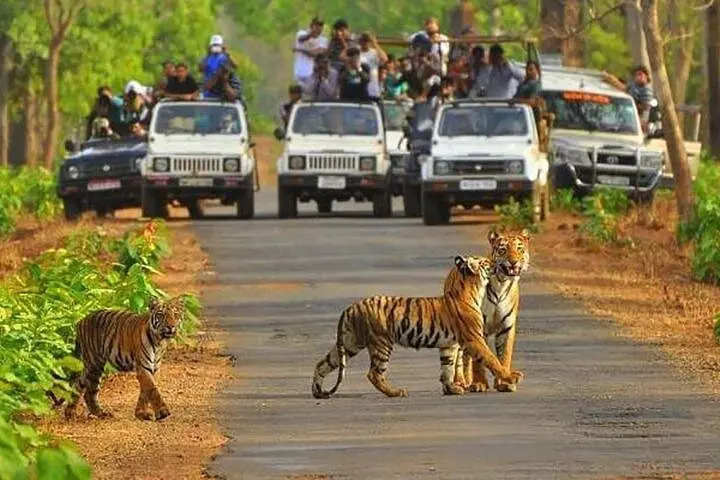
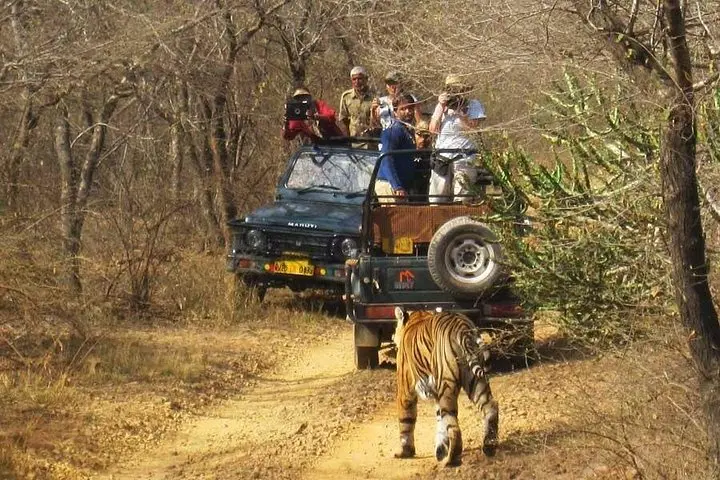
On a typical jeep or canter safari you’ll scan for signs: pugmarks in dust, a line of spotted deer moving like punctuation, or the rare flash of a tiger slipping between boulders. Birders will find more than 200 species here — raptors wheel, pipits flit, migratory passerines arrive in winter.
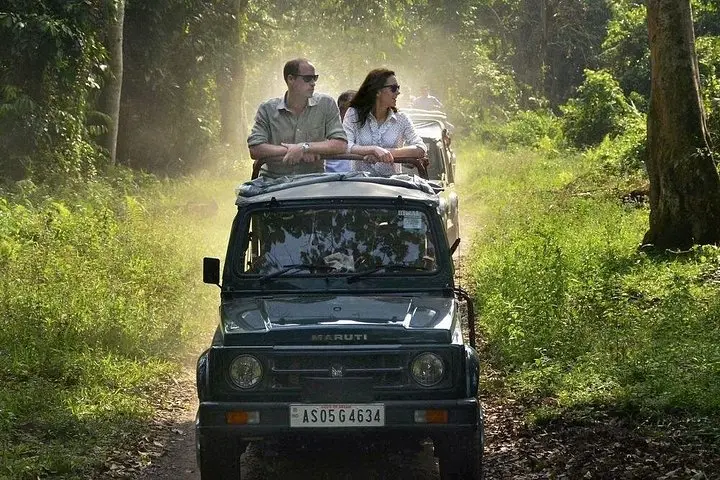
Practical guide: book morning or late-afternoon slots (wildlife is most active then), bring binoculars and neutral-colored layers, and carry water and sun protection. Safaris run in fixed windows and require ID/passport details — tickets are shared prior to the visit; jeeps seat ~6, canters ~15. Note: safaris are not permitted on park-closure days and Wednesday closures can apply. Respect distance rules, stay in the vehicle, and follow your official guide’s instructions to reduce disturbance and improve sighting chances.
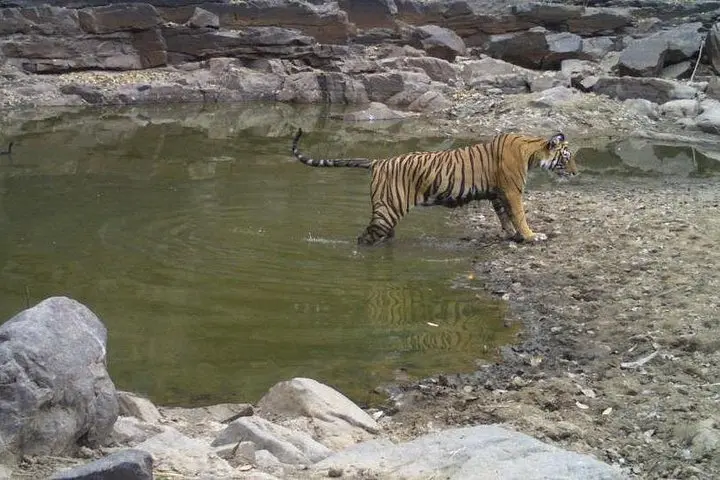
Sariska rewards patience: the landscape moves slowly, but when a moment comes — a wary tiger at the waterhole or a hornbill perched against red rock — it is unmistakable.
No — sightings are never guaranteed. Tigers are elusive; guides increase odds by watching territories and animal signs but patience and luck play a role.
Yes — passport number and full names are required at booking and for park entry, and tickets are shared before the trip.
Jeep safaris seat around six for a more personal experience; canters carry ~15 and are used when jeep slots are sold out.
Children are allowed but policies on age limits vary; confirm with the operator and ensure they remain seated and supervised during drives.
TF Holidays India operates guided outdoor trips and adventures with an emphasis on safety, stewardship, and memorable experiences.
Sun lifts slowly over the Aravalli ridges and the open jeep noses into a corridor of thorn scrub and granite boulders. Dust rises in curtains, peafowl call from low branches, and the canter’s engine hum seems to wake the reserve itself — patient, watchful, and ready to reveal its inhabitants.
Sun lifts slowly over the Aravalli ridges and the open jeep noses into a corridor of thorn scrub and granite boulders. Dust rises in curtains, peafowl call from low branches, and the canter’s engine hum seems to wake the reserve itself — patient, watchful, and ready to reveal its inhabitants.
Sariska sits on the western edge of the Aravalli Range in Rajasthan; the park’s rocky outcrops, dry riverbeds and scrub forests reflect a geological story of ancient folded hills. Declared a wildlife sanctuary in the late 1950s and later designated a tiger reserve under Project Tiger, the area combines cultural villages, historic ruins nearby and a landscape shaped by seasonal monsoon ebb and summer heat.
On a typical jeep or canter safari you’ll scan for signs: pugmarks in dust, a line of spotted deer moving like punctuation, or the rare flash of a tiger slipping between boulders. Birders will find more than 200 species here — raptors wheel, pipits flit, migratory passerines arrive in winter.
Practical guide: book morning or late-afternoon slots (wildlife is most active then), bring binoculars and neutral-colored layers, and carry water and sun protection. Safaris run in fixed windows and require ID/passport details — tickets are shared prior to the visit; jeeps seat ~6, canters ~15. Note: safaris are not permitted on park-closure days and Wednesday closures can apply. Respect distance rules, stay in the vehicle, and follow your official guide’s instructions to reduce disturbance and improve sighting chances.
Sariska rewards patience: the landscape moves slowly, but when a moment comes — a wary tiger at the waterhole or a hornbill perched against red rock — it is unmistakable.