THE ADVENTURE COLLECTIVE® · Independent discovery and booking for outdoor travel

Walk the ancient streets of Matera with a guide, explore cave dwellings and rupestrian churches, then sample regional foods in a bistrot carved from stone. This four-hour tour blends geology, history, and local cuisine.
Walk the ancient streets of Matera with a guide, explore cave dwellings and rupestrian churches, then sample regional foods in a bistrot carved from stone. This four-hour tour blends geology, history, and local cuisine.
Morning light slices across tuff walls as you step from Piazzetta Pascoli into a city carved rather than built. The Sassi — two ancient districts, Sasso Barisano and Sasso Caveoso — unfold like pages of human habitation written into limestone: courtyards, stairways, and cave homes whose doorways frame dramatic views of the Gravina ravine.
Verified experiences and guided adventures in the surrounding area.
Operated by Altieri Viaggi · Matera, Basilicata
Morning light slices across tuff walls as you step from Piazzetta Pascoli into a city carved rather than built. The Sassi — two ancient districts, Sasso Barisano and Sasso Caveoso — unfold like pages of human habitation written into limestone: courtyards, stairways, and cave homes whose doorways frame dramatic views of the Gravina ravine.
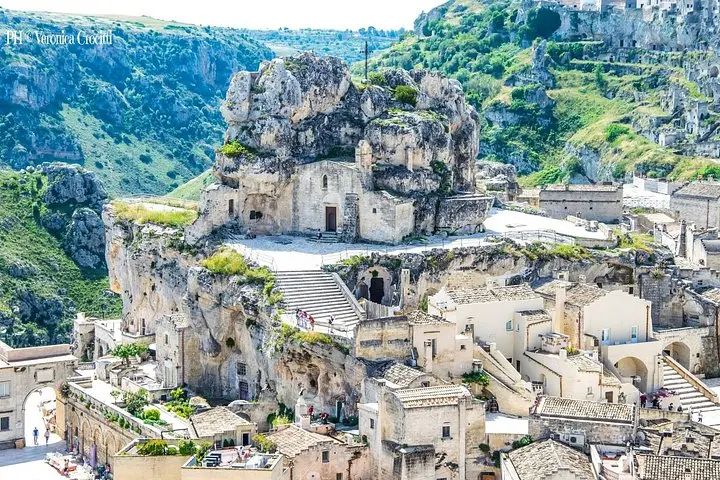
This guided enogastronomic tour threads history with geology. Matera’s soft calcarenite was eroded and worked for millennia, producing hypogea and rupestrian churches such as Madonna dell'Idris, whose frescoed interiors echo Byzantine and medieval devotional life. You’ll pass Baroque facades in the upper town and descend windy alleys into casa grotta museums furnished with farmers’ tools and domestic objects — a direct window into rural Southern Italian life through the 19th and 20th centuries.
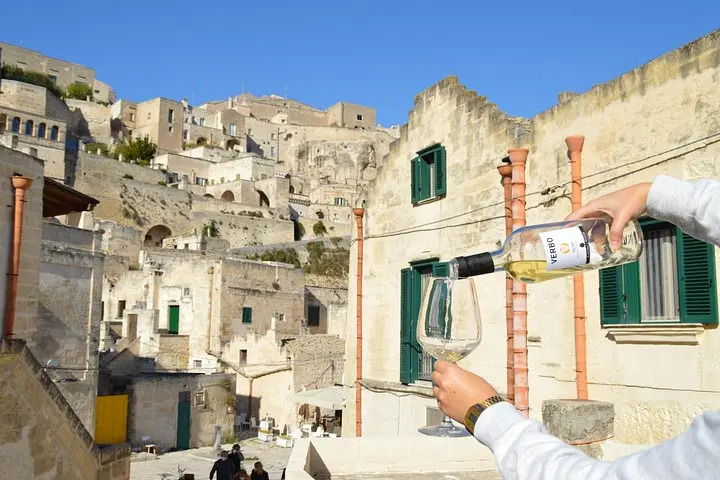
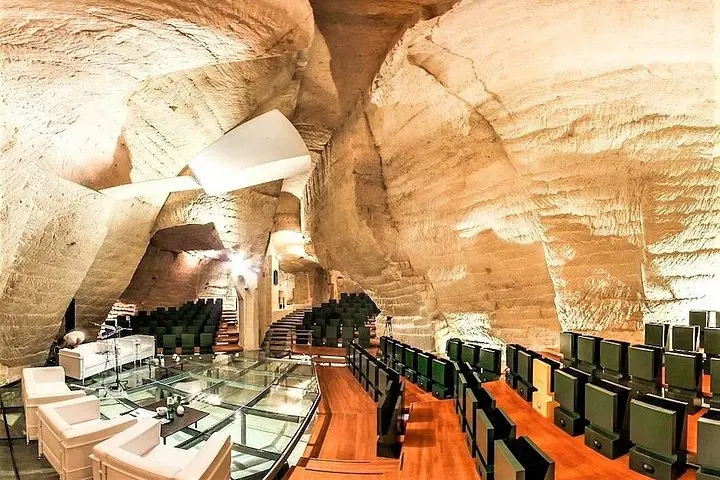
The walk includes a visit to a hypogeum and rock-church interiors (some require low-light patience and careful footing), then culminates with a light lunch tasting local specialties: pane di Matera, pecorino, and regional preserves in a bistrot carved into the stone.
Practical guidance: expect 3–4 km of walking over cobbles and uneven steps with intermittent climbs to viewpoints on Monterrone; cumulative elevation gain is modest but continuous. Wear sturdy footwear, bring a refillable water bottle and a light layer for cool underground spaces. The guide handles entrances and context, so arrive 10 minutes early with comfortable shoes and a camera — the light on the Sassi rewards patience.
The tour runs about four hours and covers roughly 3–4 km on uneven cobbles, steps and short climbs between viewpoints and cave sites.
Children can join but the route includes stairs and narrow passages; the tour is not fully wheelchair accessible—contact the operator about specific accommodations.
Meeting point is Piazzetta Pascoli in the Sassi; Matera has bus links and local parking nearby—arrive 10 minutes early.
Altieri Viaggi operates guided outdoor trips and adventures with an emphasis on safety, stewardship, and memorable experiences.
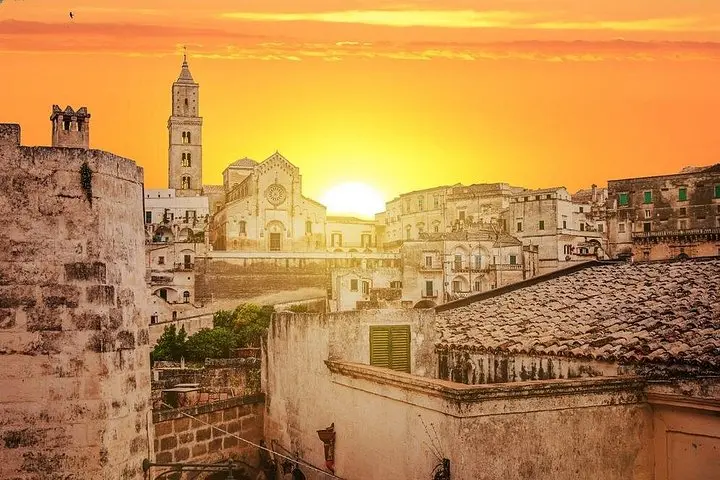
Morning light slices across tuff walls as you step from Piazzetta Pascoli into a city carved rather than built. The Sassi — two ancient districts, Sasso Barisano and Sasso Caveoso — unfold like pages of human habitation written into limestone: courtyards, stairways, and cave homes whose doorways frame dramatic views of the Gravina ravine.
Morning light slices across tuff walls as you step from Piazzetta Pascoli into a city carved rather than built. The Sassi — two ancient districts, Sasso Barisano and Sasso Caveoso — unfold like pages of human habitation written into limestone: courtyards, stairways, and cave homes whose doorways frame dramatic views of the Gravina ravine.
This guided enogastronomic tour threads history with geology. Matera’s soft calcarenite was eroded and worked for millennia, producing hypogea and rupestrian churches such as Madonna dell'Idris, whose frescoed interiors echo Byzantine and medieval devotional life. You’ll pass Baroque facades in the upper town and descend windy alleys into casa grotta museums furnished with farmers’ tools and domestic objects — a direct window into rural Southern Italian life through the 19th and 20th centuries.
The walk includes a visit to a hypogeum and rock-church interiors (some require low-light patience and careful footing), then culminates with a light lunch tasting local specialties: pane di Matera, pecorino, and regional preserves in a bistrot carved into the stone.
Practical guidance: expect 3–4 km of walking over cobbles and uneven steps with intermittent climbs to viewpoints on Monterrone; cumulative elevation gain is modest but continuous. Wear sturdy footwear, bring a refillable water bottle and a light layer for cool underground spaces. The guide handles entrances and context, so arrive 10 minutes early with comfortable shoes and a camera — the light on the Sassi rewards patience.