THE ADVENTURE COLLECTIVE® · Independent discovery and booking for outdoor travel

Explore limestone halls carved by the Oghaskura River and step into Tetra Cave where Paleolithic habitation meets dramatic stalactites. This guided day experience from Kutaisi combines easy trails, cool cave passages and cultural history.
Explore limestone halls carved by the Oghaskura River and step into Tetra Cave where Paleolithic habitation meets dramatic stalactites. This guided day experience from Kutaisi combines easy trails, cool cave passages and cultural history.
You step from the air‑conditioned vehicle into cool, wooded air and a trail that angles toward a dark mouth cut into limestone. A river once dared the rock here — the Oghaskura slowly hollowed corridors for millions of years — and the cave greets you with a steady 14°C breath. Inside, halls named Transparent, Domed and Heart open under dripping chandeliers of calcite; wet floors reflect the slow architecture of stalactites and stalagmites.
Verified experiences and guided adventures in the surrounding area.
Operated by Tour Agency See Georgia · Tskaltubo, Imereti
You step from the air‑conditioned vehicle into cool, wooded air and a trail that angles toward a dark mouth cut into limestone. A river once dared the rock here — the Oghaskura slowly hollowed corridors for millions of years — and the cave greets you with a steady 14°C breath. Inside, halls named Transparent, Domed and Heart open under dripping chandeliers of calcite; wet floors reflect the slow architecture of stalactites and stalagmites.
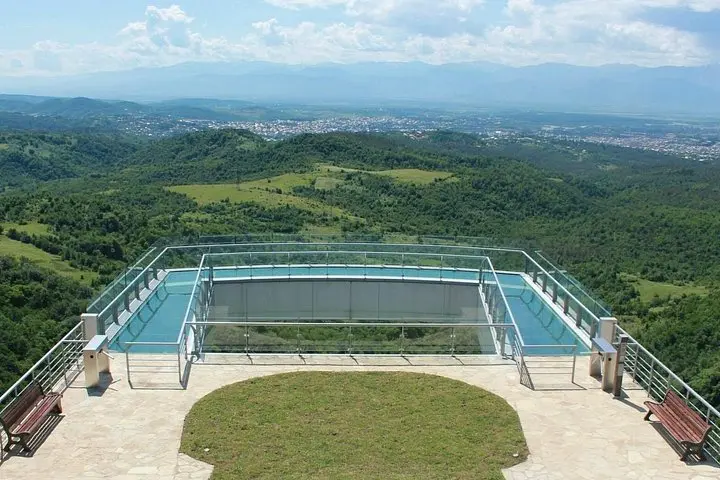
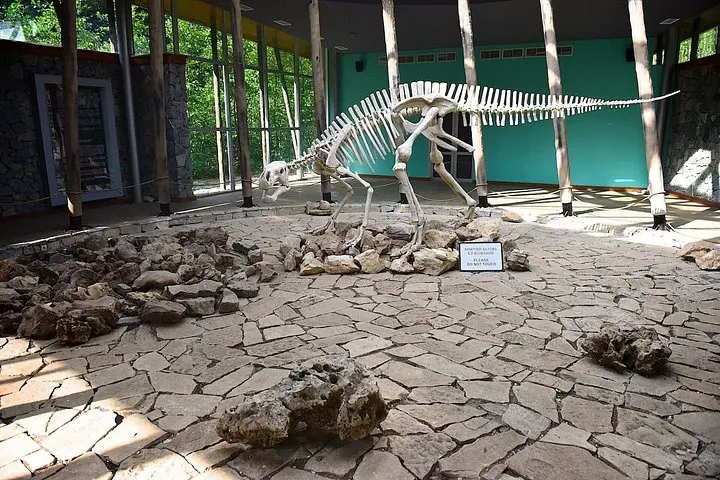
The region around Tskaltubo holds deep human roots: Tetra Cave preserves evidence of Paleolithic habitation some 30,000 years old, where early people occupied natural shelters and recognized the cave’s stable climate and reputed therapeutic properties. Geologically the reserve is classic karst country — soluble limestone, sinkholes and fossilized footprints at viewpoints that reveal both ancient life and recent volcanic–tectonic shaping.
For practical planning: this is a guided walk, roughly five hours including transfers. Expect wet, uneven ground and low ceilings in sections — waterproof, grippy shoes and a light insulating layer are essential. Guides typically supply bottled water and local context, but entry fees may be handled separately; check booking details. Photography is allowed but avoid touching formations — oils degrade speleothems over time. Families can visit (stroller access available in parts), but those with serious back or heart problems should avoid confined cave sections.
Arrive early to catch clearer light at the reserve viewpoint and to beat the afternoon tour flow. Move deliberately, read the interpretive signs, and let the cave’s slow work of stone set the pace.
Itinerary notes admission may not be included; confirm with the operator at booking whether park or cave entry fees are covered.
Parts of the reserve are stroller‑accessible and children are welcome, but some cave sections have low ceilings and steps; assess based on your child’s mobility.
Yes, photography is generally allowed; avoid flash on sensitive formations and do not touch speleothems.
Most visitors travel by guided transfer from Kutaisi (about 20–40 minutes depending on pick‑up), or by local taxi/public transport to Tskaltubo then the reserve.
Tour Agency See Georgia operates guided outdoor trips and adventures with an emphasis on safety, stewardship, and memorable experiences.
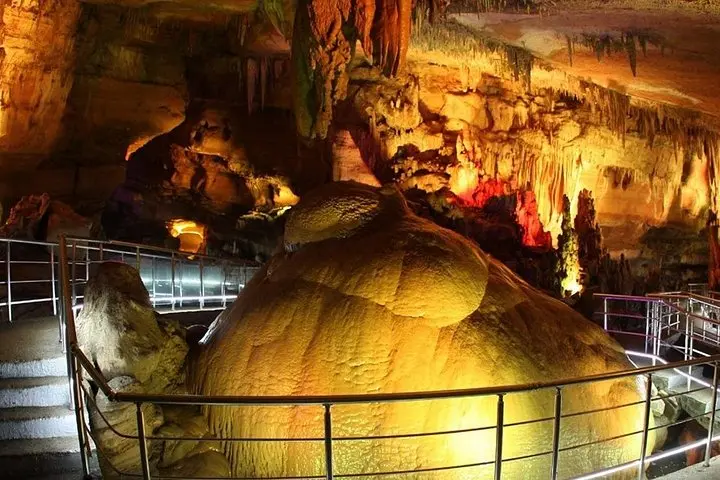
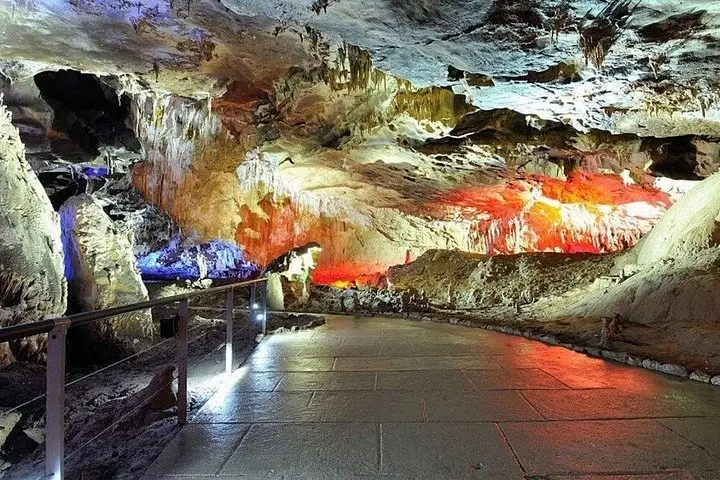
You step from the air‑conditioned vehicle into cool, wooded air and a trail that angles toward a dark mouth cut into limestone. A river once dared the rock here — the Oghaskura slowly hollowed corridors for millions of years — and the cave greets you with a steady 14°C breath. Inside, halls named Transparent, Domed and Heart open under dripping chandeliers of calcite; wet floors reflect the slow architecture of stalactites and stalagmites.
You step from the air‑conditioned vehicle into cool, wooded air and a trail that angles toward a dark mouth cut into limestone. A river once dared the rock here — the Oghaskura slowly hollowed corridors for millions of years — and the cave greets you with a steady 14°C breath. Inside, halls named Transparent, Domed and Heart open under dripping chandeliers of calcite; wet floors reflect the slow architecture of stalactites and stalagmites.
The region around Tskaltubo holds deep human roots: Tetra Cave preserves evidence of Paleolithic habitation some 30,000 years old, where early people occupied natural shelters and recognized the cave’s stable climate and reputed therapeutic properties. Geologically the reserve is classic karst country — soluble limestone, sinkholes and fossilized footprints at viewpoints that reveal both ancient life and recent volcanic–tectonic shaping.
For practical planning: this is a guided walk, roughly five hours including transfers. Expect wet, uneven ground and low ceilings in sections — waterproof, grippy shoes and a light insulating layer are essential. Guides typically supply bottled water and local context, but entry fees may be handled separately; check booking details. Photography is allowed but avoid touching formations — oils degrade speleothems over time. Families can visit (stroller access available in parts), but those with serious back or heart problems should avoid confined cave sections.
Arrive early to catch clearer light at the reserve viewpoint and to beat the afternoon tour flow. Move deliberately, read the interpretive signs, and let the cave’s slow work of stone set the pace.