THE ADVENTURE COLLECTIVE® · Independent discovery and booking for outdoor travel

A three-day guided circuit through Tsuyama, Chizu and Misasa combining Zen practices, guided forest bathing, thermal hot springs and a demanding hike to the cliffside Nageiredo Temple on Mt. Mitoku. Ideal for travelers seeking cultural depth and rigorous nature immersion.
A three-day guided circuit through Tsuyama, Chizu and Misasa combining Zen practices, guided forest bathing, thermal hot springs and a demanding hike to the cliffside Nageiredo Temple on Mt. Mitoku. Ideal for travelers seeking cultural depth and rigorous nature immersion.
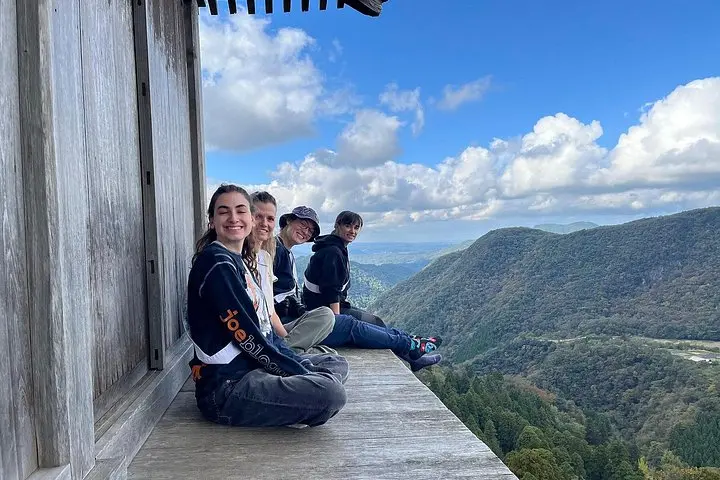
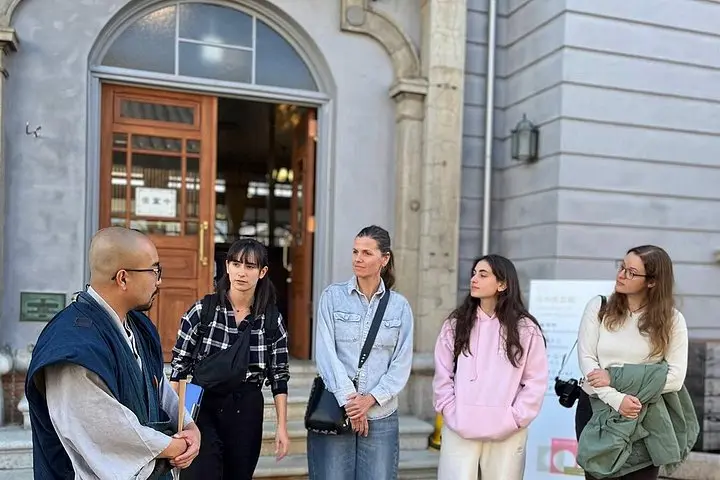
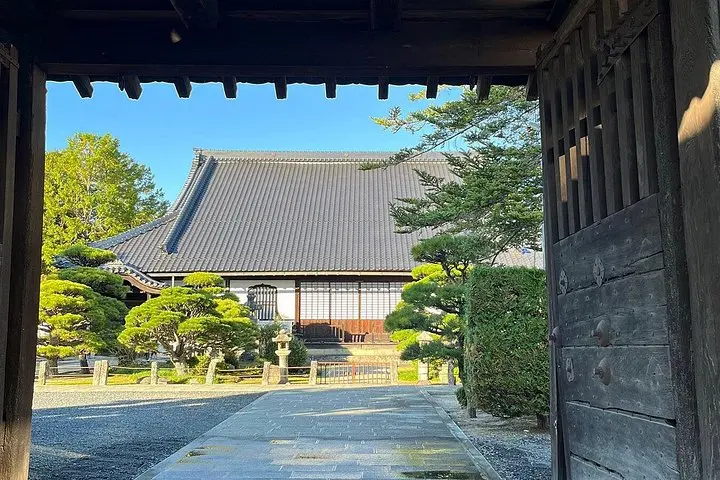
Morning light cuts across terraced rice paddies as you step out in Tsuyama — the air cool, cedar trunks whispering behind low stone walls. Over three days you move from town shrine lanes and a monk-led tea ceremony to the hush of Chizu’s cedar groves and the sharp cliff-face approach to Mt. Mitoku, where Nageiredo clings like a thought to the rock.
Verified experiences and guided adventures in the surrounding area.
Operated by though_inaka · Tsuyama, Okayama Prefecture
Morning light cuts across terraced rice paddies as you step out in Tsuyama — the air cool, cedar trunks whispering behind low stone walls. Over three days you move from town shrine lanes and a monk-led tea ceremony to the hush of Chizu’s cedar groves and the sharp cliff-face approach to Mt. Mitoku, where Nageiredo clings like a thought to the rock.
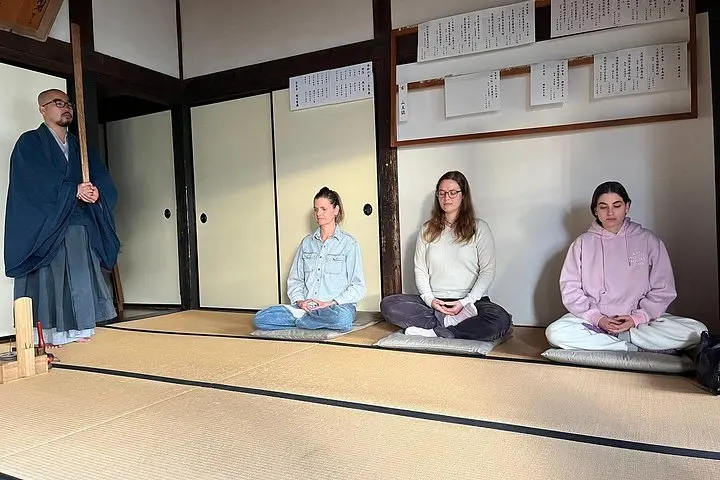
The region sits on the inland edge of the Chūgoku Mountains; centuries of samurai governance and mountain-temple Buddhism shaped village patterns and pilgrimage routes. Geology here is folded granite and volcanic breccia, carved into steep valleys and hot-spring basins that feed Misasa’s radon-rich waters. Culture is slow and intentional — meditation, shojin ryori, and forest bathing are not performances but daily practice.
Expect guided mindfulness walks through mixed beech and cedar stands, meals focused on local tofu and temple cuisine, and a physically demanding but well-supported ascent to Nageiredo on Mt. Mitoku. Trails alternate packed dirt, stone steps and narrow cliff-side paths; some sections require sure-footedness and a head for exposure.
Practical notes: travel light but bring layered clothing for cool mornings and warm afternoons, sturdy hiking shoes for slippery stone, and cash for small inns and shops. Plan on early starts to avoid afternoon heat and limited daylight when winter snows make mountain access slower. Respect onsen etiquette (wash before entering, no tattoos usually) and follow your guide’s safety brief on cliff approaches. This itinerary rewards patience: quiet shrines, thermal steam rising from baths, and moments where the landscape seems to answer back.
The Mt. Mitoku section is the most strenuous part — expect steep stone steps and exposed trails; a high level of fitness and stable footing are required.
Yes — the tour includes English and Japanese guides who lead meditation, cultural interpretation and safety briefings.
This is a private multi-day itinerary with arranged accommodations; light luggage transfer is typically handled by the operator but confirm at booking for larger items.
Misasa’s onsen are therapeutic but not recommended for pregnant travelers or those with cardiovascular conditions; follow host ryokan rules and medical advice.
though_inaka operates guided outdoor trips and adventures with an emphasis on safety, stewardship, and memorable experiences.
Morning light cuts across terraced rice paddies as you step out in Tsuyama — the air cool, cedar trunks whispering behind low stone walls. Over three days you move from town shrine lanes and a monk-led tea ceremony to the hush of Chizu’s cedar groves and the sharp cliff-face approach to Mt. Mitoku, where Nageiredo clings like a thought to the rock.
Morning light cuts across terraced rice paddies as you step out in Tsuyama — the air cool, cedar trunks whispering behind low stone walls. Over three days you move from town shrine lanes and a monk-led tea ceremony to the hush of Chizu’s cedar groves and the sharp cliff-face approach to Mt. Mitoku, where Nageiredo clings like a thought to the rock.
The region sits on the inland edge of the Chūgoku Mountains; centuries of samurai governance and mountain-temple Buddhism shaped village patterns and pilgrimage routes. Geology here is folded granite and volcanic breccia, carved into steep valleys and hot-spring basins that feed Misasa’s radon-rich waters. Culture is slow and intentional — meditation, shojin ryori, and forest bathing are not performances but daily practice.
Expect guided mindfulness walks through mixed beech and cedar stands, meals focused on local tofu and temple cuisine, and a physically demanding but well-supported ascent to Nageiredo on Mt. Mitoku. Trails alternate packed dirt, stone steps and narrow cliff-side paths; some sections require sure-footedness and a head for exposure.
Practical notes: travel light but bring layered clothing for cool mornings and warm afternoons, sturdy hiking shoes for slippery stone, and cash for small inns and shops. Plan on early starts to avoid afternoon heat and limited daylight when winter snows make mountain access slower. Respect onsen etiquette (wash before entering, no tattoos usually) and follow your guide’s safety brief on cliff approaches. This itinerary rewards patience: quiet shrines, thermal steam rising from baths, and moments where the landscape seems to answer back.