THE ADVENTURE COLLECTIVE® · Independent discovery and booking for outdoor travel

Walk Savannah’s streets with a guide who traces the city’s Civil War story from secession rallies to Sherman's March. This two-hour guided walk blends on-the-ground history, preserved architecture, and practical tips for exploring the historic district.
Walk Savannah’s streets with a guide who traces the city’s Civil War story from secession rallies to Sherman's March. This two-hour guided walk blends on-the-ground history, preserved architecture, and practical tips for exploring the historic district.
The morning sun slants between live oaks as you gather behind the John Wesley statue in Reynolds Square. Pavers hum underfoot and the Savannah River keeps time in the distance; the guide's voice pulls threads of the city’s Civil War story into sharp relief — secession rallies, Special Order No. 15, and the choices that shaped Reconstruction.
Verified experiences and guided adventures in the surrounding area.
Operated by Noble Jones Tours, LLC · Savannah, Georgia
The morning sun slants between live oaks as you gather behind the John Wesley statue in Reynolds Square. Pavers hum underfoot and the Savannah River keeps time in the distance; the guide's voice pulls threads of the city’s Civil War story into sharp relief — secession rallies, Special Order No. 15, and the choices that shaped Reconstruction.
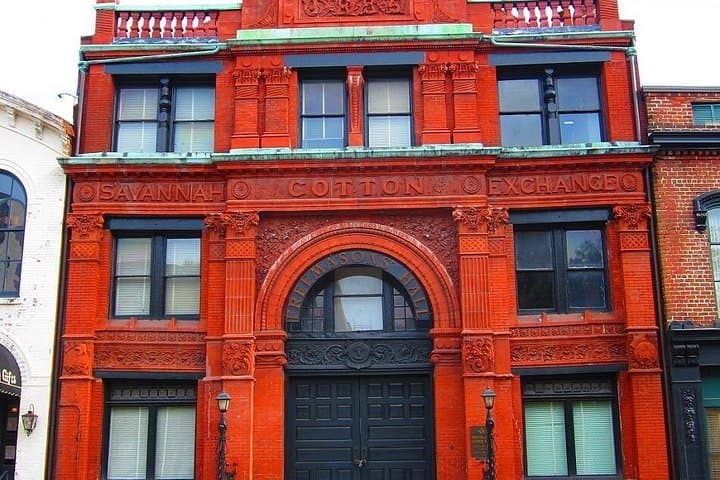
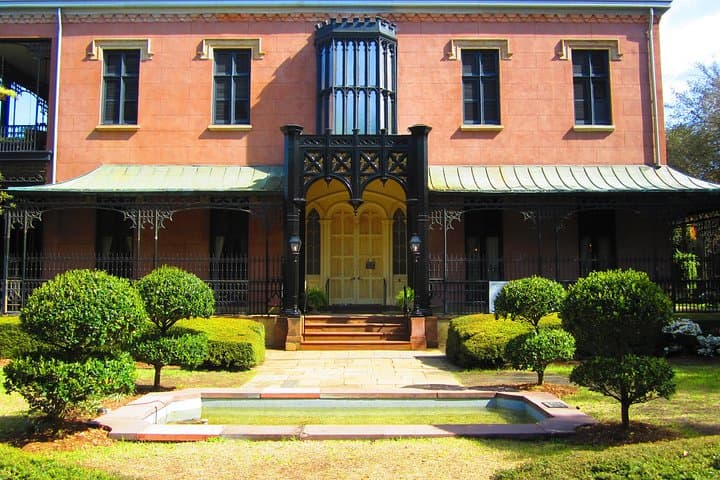
Savannah's grid, laid out by James Oglethorpe in the 18th century, became an accidental stage for 19th-century politics and warfare. Over two hours you’ll move through Antebellum streets and public squares, stopping where Union and Confederate decisions played out. The city’s brick streets, coastal lowlands, and proximity to the river made it strategically important — and its preservation efforts mean many original façades and markers survive.
This is as much urban archaeology as it is narrative: you’ll hear about Sherman's March to the Sea and the personalities who debated secession in crowded parlors and open squares. Expect a pace set for observation over speed; the terrain is flat and mostly paved, with short stops at cemeteries, former headquarters sites, and quiet alleys that hold fragments of the past.
Practical guidance: wear sturdy walking shoes and sun protection, bring a refillable water bottle, and plan for two hours on cobblestones and sidewalks. Mornings are cooler and less crowded, while late afternoons cast longer shadows across monuments — useful for photography but watch for tour overlap in the busiest squares. The tour balances storytelling with tangible landmarks, giving context to a complex chapter of Southern history while keeping you grounded in the city you’re walking through.
The tour departs from Reynolds Square behind the John Wesley statue and typically finishes near Oglethorpe/Colonial Park Cemetery area.
Yes; the operator notes wheelchair and stroller accessibility, though some historic sidewalks can be uneven—contact the operator if you need assistance.
Tours may be canceled for severe weather; light rain usually proceeds, but check the operator’s cancellation policy and dress appropriately.
Full refunds are available if you cancel at least 24 hours before the scheduled departure; policies may vary for last-minute changes.
Noble Jones Tours, LLC operates guided outdoor trips and adventures with an emphasis on safety, stewardship, and memorable experiences.

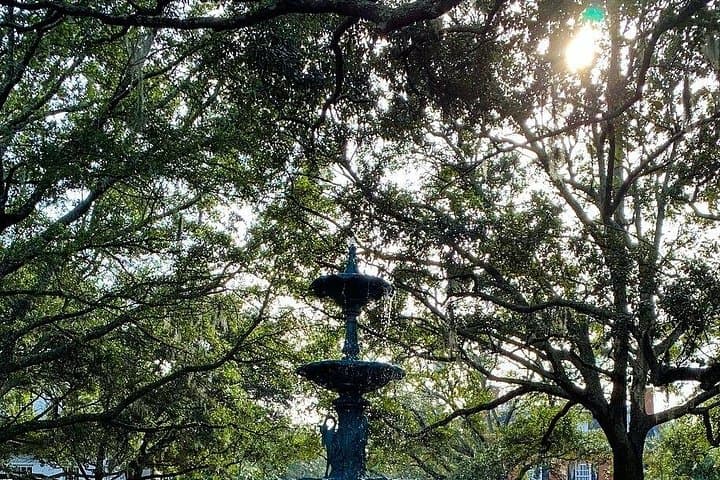
The morning sun slants between live oaks as you gather behind the John Wesley statue in Reynolds Square. Pavers hum underfoot and the Savannah River keeps time in the distance; the guide's voice pulls threads of the city’s Civil War story into sharp relief — secession rallies, Special Order No. 15, and the choices that shaped Reconstruction.
The morning sun slants between live oaks as you gather behind the John Wesley statue in Reynolds Square. Pavers hum underfoot and the Savannah River keeps time in the distance; the guide's voice pulls threads of the city’s Civil War story into sharp relief — secession rallies, Special Order No. 15, and the choices that shaped Reconstruction.
Savannah's grid, laid out by James Oglethorpe in the 18th century, became an accidental stage for 19th-century politics and warfare. Over two hours you’ll move through Antebellum streets and public squares, stopping where Union and Confederate decisions played out. The city’s brick streets, coastal lowlands, and proximity to the river made it strategically important — and its preservation efforts mean many original façades and markers survive.
This is as much urban archaeology as it is narrative: you’ll hear about Sherman's March to the Sea and the personalities who debated secession in crowded parlors and open squares. Expect a pace set for observation over speed; the terrain is flat and mostly paved, with short stops at cemeteries, former headquarters sites, and quiet alleys that hold fragments of the past.
Practical guidance: wear sturdy walking shoes and sun protection, bring a refillable water bottle, and plan for two hours on cobblestones and sidewalks. Mornings are cooler and less crowded, while late afternoons cast longer shadows across monuments — useful for photography but watch for tour overlap in the busiest squares. The tour balances storytelling with tangible landmarks, giving context to a complex chapter of Southern history while keeping you grounded in the city you’re walking through.