THE ADVENTURE COLLECTIVE® · Independent discovery and booking for outdoor travel

Walk Savannah’s squares with a local guide and hear the city’s layered stories—from Oglethorpe’s grid to Civil War moments and Victorian streets. This 90-minute tour mixes architecture, local lore, and practical history for visitors who want context with their stroll.
Walk Savannah’s squares with a local guide and hear the city’s layered stories—from Oglethorpe’s grid to Civil War moments and Victorian streets. This 90-minute tour mixes architecture, local lore, and practical history for visitors who want context with their stroll.
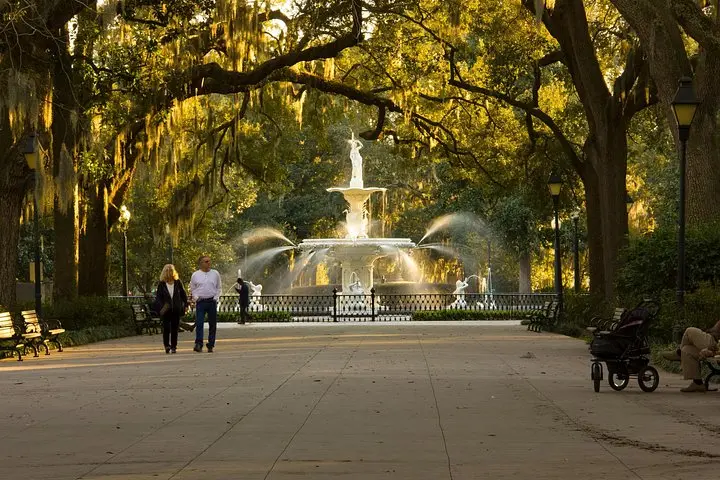
Step into Chippewa Square and feel the city unfold around you: live oaks lean over cobblestones, a fountain hisses in the distance, and the guide's voice threads together military maps, family sagas, and urban reinvention.
Verified experiences and guided adventures in the surrounding area.
Operated by Sarah Johnson · Savannah, Georgia
Step into Chippewa Square and feel the city unfold around you: live oaks lean over cobblestones, a fountain hisses in the distance, and the guide's voice threads together military maps, family sagas, and urban reinvention.
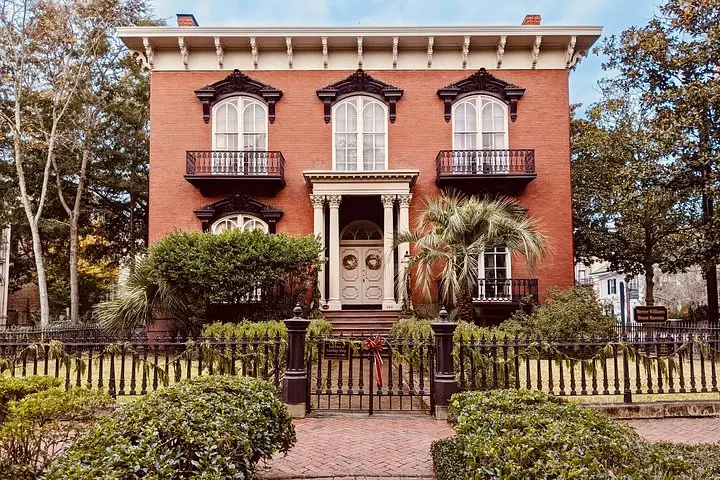
This ninety-minute walking tour follows the original 18th-century grid laid out by James Oglethorpe, stopping at Wright Square, the Mercer-Williams House, and Forsyth Park. Expect conversations about Tomochichi and the local Muscogee peoples, the early colony's reliance on river trade, and Savannah's role in the Revolutionary and Civil Wars. Architecture tells the story here—Georgian townhouses, Victorian facades, and the curved ironwork of 19th-century mansions that speak to the city’s mercantile wealth.
The streets themselves are geological and cultural: tidal rivers shaped the port economy, while Irish and African diasporas left visible marks in neighborhoods and churches. Walking gives you access to alleys, squares, and viewpoints that cars miss, and a local guide will point out small details—inscriptions, hidden courtyards, and the ways storms and preservation policy have altered facades.
Practical notes: the route is flat and mostly paved, suitable for most fitness levels; wear sturdy shoes and bring a refillable water bottle. Mornings avoid midday heat and tour buses; in summer, sunscreen and a hat matter. The tour is accessible for wheelchairs and strollers but can be affected by heavy rain, so check cancellation policies. Come ready to listen and to look closely—Savannah rewards attention with stories that unfold at street level.
The experience runs approximately 90 minutes and covers multiple city squares at a relaxed walking pace.
Yes—routes are chosen for accessibility and strollers are allowed; notify the operator of special requirements when booking.
No—this walking tour focuses on exterior architecture, public squares, and stories; admission to museums is not included.
The operator may cancel for heavy rain; check the cancellation policy and reschedule options—light rain usually does not stop the tour.
Sarah Johnson operates guided outdoor trips and adventures with an emphasis on safety, stewardship, and memorable experiences.

Step into Chippewa Square and feel the city unfold around you: live oaks lean over cobblestones, a fountain hisses in the distance, and the guide's voice threads together military maps, family sagas, and urban reinvention.
Step into Chippewa Square and feel the city unfold around you: live oaks lean over cobblestones, a fountain hisses in the distance, and the guide's voice threads together military maps, family sagas, and urban reinvention.
This ninety-minute walking tour follows the original 18th-century grid laid out by James Oglethorpe, stopping at Wright Square, the Mercer-Williams House, and Forsyth Park. Expect conversations about Tomochichi and the local Muscogee peoples, the early colony's reliance on river trade, and Savannah's role in the Revolutionary and Civil Wars. Architecture tells the story here—Georgian townhouses, Victorian facades, and the curved ironwork of 19th-century mansions that speak to the city’s mercantile wealth.
The streets themselves are geological and cultural: tidal rivers shaped the port economy, while Irish and African diasporas left visible marks in neighborhoods and churches. Walking gives you access to alleys, squares, and viewpoints that cars miss, and a local guide will point out small details—inscriptions, hidden courtyards, and the ways storms and preservation policy have altered facades.
Practical notes: the route is flat and mostly paved, suitable for most fitness levels; wear sturdy shoes and bring a refillable water bottle. Mornings avoid midday heat and tour buses; in summer, sunscreen and a hat matter. The tour is accessible for wheelchairs and strollers but can be affected by heavy rain, so check cancellation policies. Come ready to listen and to look closely—Savannah rewards attention with stories that unfold at street level.