THE ADVENTURE COLLECTIVE® · Independent discovery and booking for outdoor travel

Explore Savannah’s medical past on a private, nurse-led 90-minute walking tour that links epidemics, surgeries and social history across 1.6 miles of downtown streets. Practical and provocative, the tour reframes familiar landmarks through the lens of public health and racial history.
Explore Savannah’s medical past on a private, nurse-led 90-minute walking tour that links epidemics, surgeries and social history across 1.6 miles of downtown streets. Practical and provocative, the tour reframes familiar landmarks through the lens of public health and racial history.
You step off the shady side of Forsyth Park and the city exhales history—brick sidewalks, cast-iron railings, and the old Telfair Hospital façade marking the tour's start. The guide, a working registered nurse, moves from doorway to memorial stone with clinical precision and storyteller's eye, tracing outbreaks, surgeries and the social forces that shaped healthcare in Savannah.
Verified experiences and guided adventures in the surrounding area.
Operated by Savannah Medical History Tours · Savannah, Georgia
You step off the shady side of Forsyth Park and the city exhales history—brick sidewalks, cast-iron railings, and the old Telfair Hospital façade marking the tour's start. The guide, a working registered nurse, moves from doorway to memorial stone with clinical precision and storyteller's eye, tracing outbreaks, surgeries and the social forces that shaped healthcare in Savannah.
The route covers roughly 1.6 miles over 90 minutes along flat, historic pavement. Expect stops at the former Telfair Women's Hospital, sites tied to dueling-era medicine, references to Midnight in the Garden of Good and Evil from a medical angle, and a house once owned by a slave trader where the tour addresses the human cost and medical impacts of the transatlantic slave trade. These locations reveal a city shaped by colonial epidemics, Civil War medicine, and immigrant and African American contributions that quietly built local medical practice.
Savannah's low, sandy soils and tidal creeks influenced disease patterns; its grid of squares funneled circulation and commerce that spread both care and contagion. The tour is conversational and inclusive, pairing clinical context with cultural detail and recommendations for museums and restaurants at the finish downtown.
Practically: wear supportive walking shoes, carry water, and plan for heat in summer—the guide avoids entering buildings, so the experience is observational and firmly outdoors. It's private, accessible for many mobility levels, and best for travelers who want medical history framed by social justice and urban geography rather than a typical monuments-only walk.
Meet south of Forsyth Park in front of the building labeled 'Telfair Hospital' at 15 East Park Avenue; the tour ends in downtown with easy access to restaurants and shops.
Yes — it’s a private tour led by a registered nurse who frames Savannah’s sites through medical history and public health perspectives.
The tour is listed as wheelchair accessible; however, notifying the guide of access needs ahead of time ensures the best route and pacing.
No — the tour visits exterior sites and uses them as interpretive backdrops; interiors are not entered during the walk.
Savannah Medical History Tours operates guided outdoor trips and adventures with an emphasis on safety, stewardship, and memorable experiences.


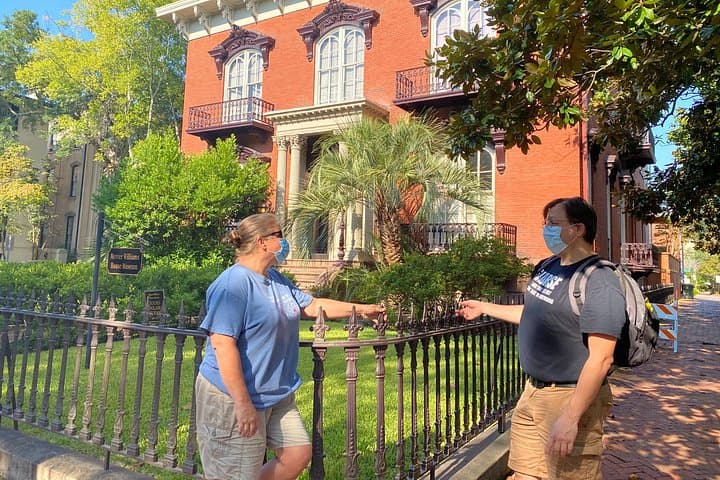
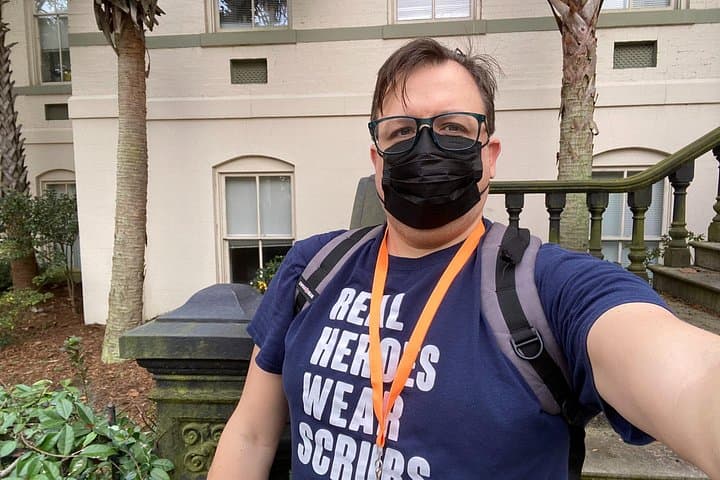
You step off the shady side of Forsyth Park and the city exhales history—brick sidewalks, cast-iron railings, and the old Telfair Hospital façade marking the tour's start. The guide, a working registered nurse, moves from doorway to memorial stone with clinical precision and storyteller's eye, tracing outbreaks, surgeries and the social forces that shaped healthcare in Savannah.
You step off the shady side of Forsyth Park and the city exhales history—brick sidewalks, cast-iron railings, and the old Telfair Hospital façade marking the tour's start. The guide, a working registered nurse, moves from doorway to memorial stone with clinical precision and storyteller's eye, tracing outbreaks, surgeries and the social forces that shaped healthcare in Savannah.
The route covers roughly 1.6 miles over 90 minutes along flat, historic pavement. Expect stops at the former Telfair Women's Hospital, sites tied to dueling-era medicine, references to Midnight in the Garden of Good and Evil from a medical angle, and a house once owned by a slave trader where the tour addresses the human cost and medical impacts of the transatlantic slave trade. These locations reveal a city shaped by colonial epidemics, Civil War medicine, and immigrant and African American contributions that quietly built local medical practice.
Savannah's low, sandy soils and tidal creeks influenced disease patterns; its grid of squares funneled circulation and commerce that spread both care and contagion. The tour is conversational and inclusive, pairing clinical context with cultural detail and recommendations for museums and restaurants at the finish downtown.
Practically: wear supportive walking shoes, carry water, and plan for heat in summer—the guide avoids entering buildings, so the experience is observational and firmly outdoors. It's private, accessible for many mobility levels, and best for travelers who want medical history framed by social justice and urban geography rather than a typical monuments-only walk.