THE ADVENTURE COLLECTIVE® · Independent discovery and booking for outdoor travel

Walk Savannah’s riverfront and squares with Gullah Geechee storyteller Sistah Patt on a 2–2.5 hour guided history tour tracing the city’s transition from urban slavery to resilience. Expect vivid first-person narratives, cemetery visits, and close readings of River Street, Johnson Square, and Laurel Grove.
Walk Savannah’s riverfront and squares with Gullah Geechee storyteller Sistah Patt on a 2–2.5 hour guided history tour tracing the city’s transition from urban slavery to resilience. Expect vivid first-person narratives, cemetery visits, and close readings of River Street, Johnson Square, and Laurel Grove.
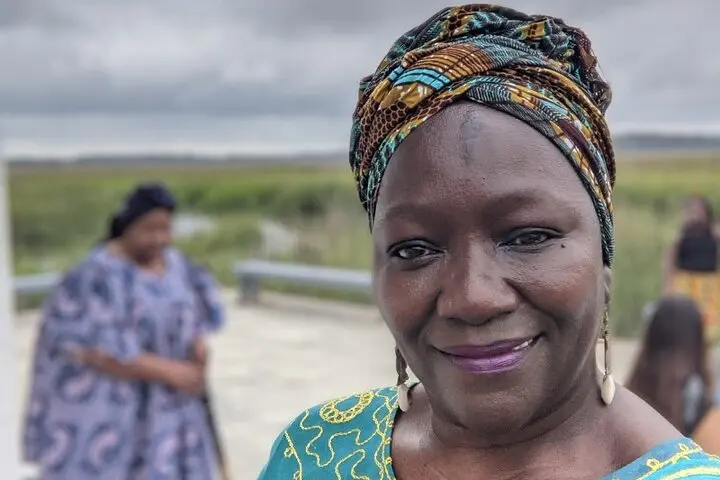
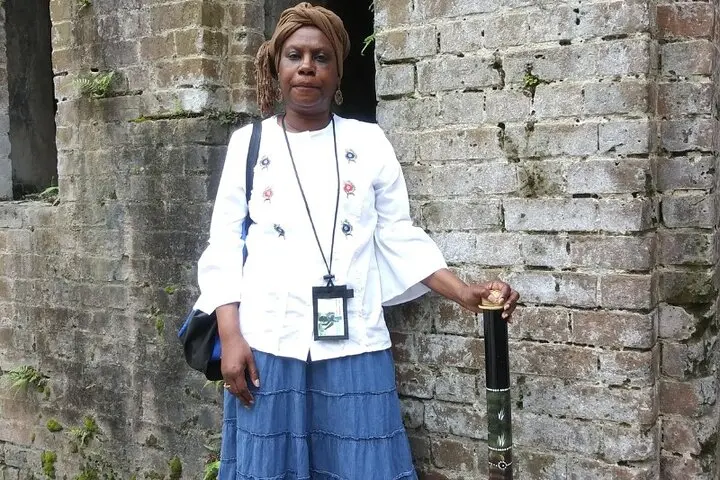
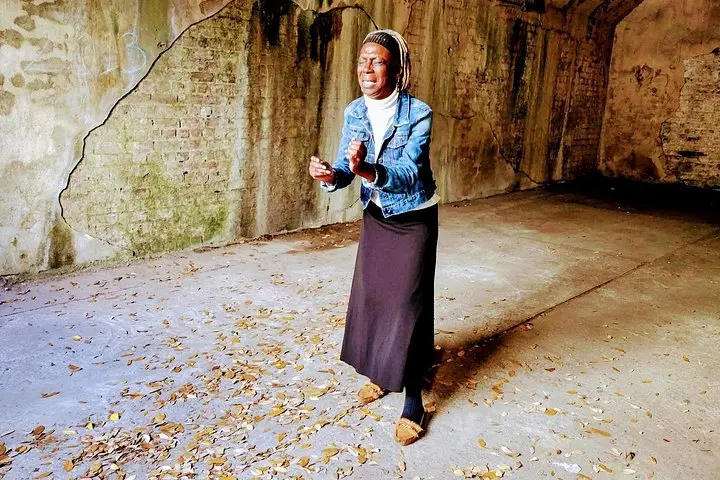
The cobblestones of River Street gleam damp with river spray as a small group gathers outside a gray office, the city’s brick facades leaning in to listen. Your guide, Sistah Patt, begins with a single name and a place — a point of entry where West African lives were first mapped into the grid of an American port. The walk moves through Johnson Square, under the iron balconies of Factors Walk, and past graves in Laurel Grove, each stop folding present-day Savannah into the long arc of memory.
Verified experiences and guided adventures in the surrounding area.
Operated by Gray Line Savannah · Savannah, Georgia
The cobblestones of River Street gleam damp with river spray as a small group gathers outside a gray office, the city’s brick facades leaning in to listen. Your guide, Sistah Patt, begins with a single name and a place — a point of entry where West African lives were first mapped into the grid of an American port. The walk moves through Johnson Square, under the iron balconies of Factors Walk, and past graves in Laurel Grove, each stop folding present-day Savannah into the long arc of memory.
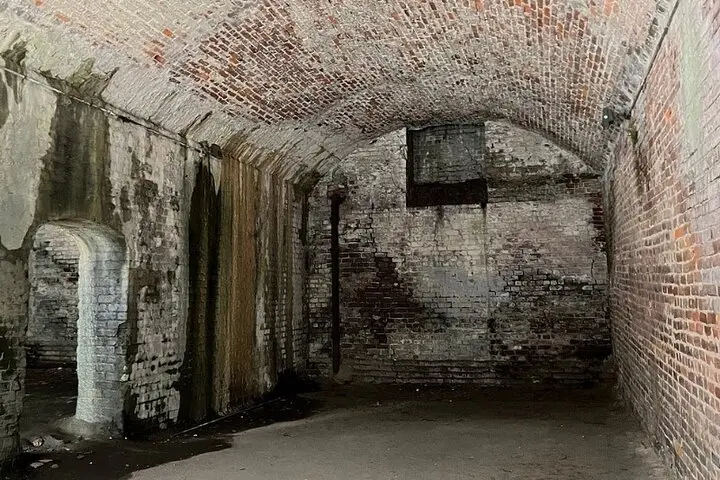
Savannah was a commercial hub in the 18th and 19th centuries; its warehouses and riverfront were built by enslaved labor and financed by cotton and trade. Geology here is coastal plain — low, flat, and shaped by the Savannah River’s tidal pulse — which made the port both prosperous and strategic. Culturally, the tour highlights Gullah Geechee survival: language, songs, and place-based knowledge that persisted despite displacement.
Expect a narrated, 2–2.5 hour walking experience with frequent stops for storytelling and reflection. The pace is gentle but continuous; sidewalks, plazas, and cemetery paths bring a mix of hard pavement and grass. Photography is allowed, but visitors are asked to treat memorials and burial sites with quiet respect.
Practical notes: wear sturdy shoes and sun protection, bring water, and plan for summer heat or sudden coastal showers. The tour is wheelchair accessible with advance notice for an ADA vehicle. This is not only a history walk — it’s a guided engagement with a living community and the physical traces of its past, framed to inform how Savannah’s present keeps shaping its future.
Yes — the tour is listed as wheelchair accessible; request an ADA-accessible vehicle with 24-hour notice if needed.
The experience lasts about 2 to 2.5 hours and covers several historic squares and River Street sections at a gentle walking pace.
Children may join, but content is serious and sometimes graphic; parental discretion advised for young kids.
Photography is allowed at most stops, but please be respectful at cemeteries and memorials and follow the guide’s directions.
Gray Line Savannah operates guided outdoor trips and adventures with an emphasis on safety, stewardship, and memorable experiences.
The cobblestones of River Street gleam damp with river spray as a small group gathers outside a gray office, the city’s brick facades leaning in to listen. Your guide, Sistah Patt, begins with a single name and a place — a point of entry where West African lives were first mapped into the grid of an American port. The walk moves through Johnson Square, under the iron balconies of Factors Walk, and past graves in Laurel Grove, each stop folding present-day Savannah into the long arc of memory.
The cobblestones of River Street gleam damp with river spray as a small group gathers outside a gray office, the city’s brick facades leaning in to listen. Your guide, Sistah Patt, begins with a single name and a place — a point of entry where West African lives were first mapped into the grid of an American port. The walk moves through Johnson Square, under the iron balconies of Factors Walk, and past graves in Laurel Grove, each stop folding present-day Savannah into the long arc of memory.
Savannah was a commercial hub in the 18th and 19th centuries; its warehouses and riverfront were built by enslaved labor and financed by cotton and trade. Geology here is coastal plain — low, flat, and shaped by the Savannah River’s tidal pulse — which made the port both prosperous and strategic. Culturally, the tour highlights Gullah Geechee survival: language, songs, and place-based knowledge that persisted despite displacement.
Expect a narrated, 2–2.5 hour walking experience with frequent stops for storytelling and reflection. The pace is gentle but continuous; sidewalks, plazas, and cemetery paths bring a mix of hard pavement and grass. Photography is allowed, but visitors are asked to treat memorials and burial sites with quiet respect.
Practical notes: wear sturdy shoes and sun protection, bring water, and plan for summer heat or sudden coastal showers. The tour is wheelchair accessible with advance notice for an ADA vehicle. This is not only a history walk — it’s a guided engagement with a living community and the physical traces of its past, framed to inform how Savannah’s present keeps shaping its future.