THE ADVENTURE COLLECTIVE® · Independent discovery and booking for outdoor travel

Taste traditional makgeolli, wander Tongdosa’s historic temple grounds, and ride the Blue Line Park for ocean-view cafes in a single, well-paced day. This tour blends hands-on food culture with coastal scenery and accessible walking.
Taste traditional makgeolli, wander Tongdosa’s historic temple grounds, and ride the Blue Line Park for ocean-view cafes in a single, well-paced day. This tour blends hands-on food culture with coastal scenery and accessible walking.
Morning light slants across the Atlantic edge of Busan as the day begins with the tang of steamed rice and the warm, yeasty promise of freshly made makgeolli. In a compact nine-hour loop you move from a hands-on fermentation bench in Haeundae to the quiet courtyards of Tongdosa, then out along the cliffs and coastal tracks where cafes tilt toward the sea.
Verified experiences and guided adventures in the surrounding area.
Operated by FUNTOUR Inc. · Busan, Busan
Morning light slants across the Atlantic edge of Busan as the day begins with the tang of steamed rice and the warm, yeasty promise of freshly made makgeolli. In a compact nine-hour loop you move from a hands-on fermentation bench in Haeundae to the quiet courtyards of Tongdosa, then out along the cliffs and coastal tracks where cafes tilt toward the sea.
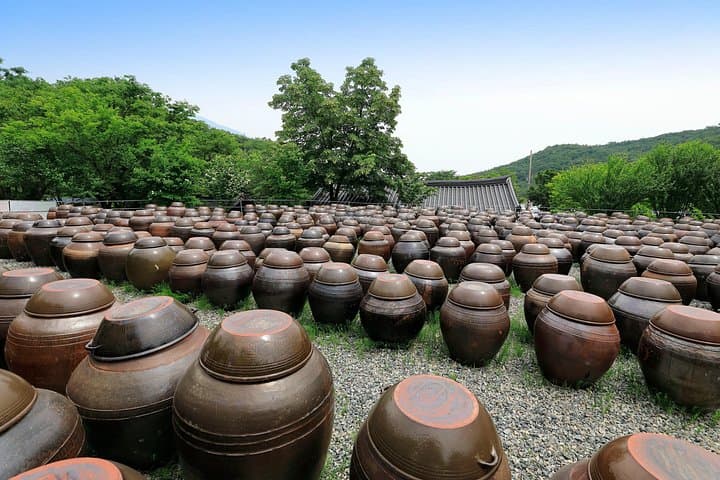
Tongdosa is one of Korea’s Three Jewel temples, a living archive of Silla- and Goryeo-era devotion with its famous Seounam jar yards where monks age sauces and pastes in thousands of earthenware crocks. Geologically, the route follows the edge of the Korean Peninsula’s southeastern granite spine; cliffs and pebble beaches give way to pine-fringed temple slopes. Busan’s port history and modern cafe culture converge here—sea-salt air meets carefully brewed coffee and contemporary reinterpretations of Korean food.
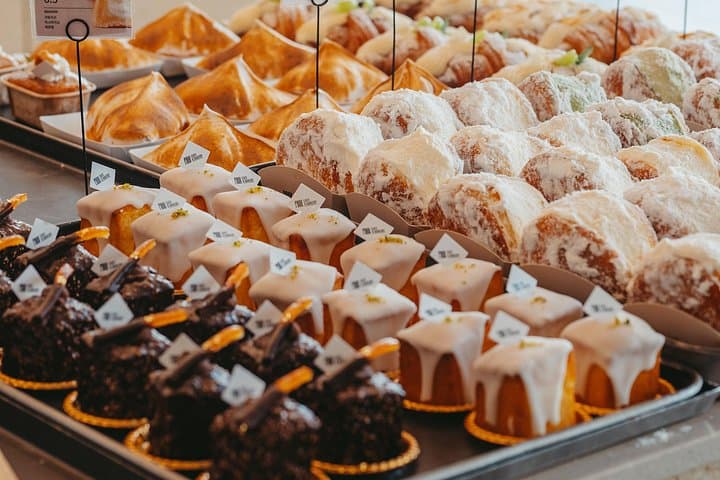
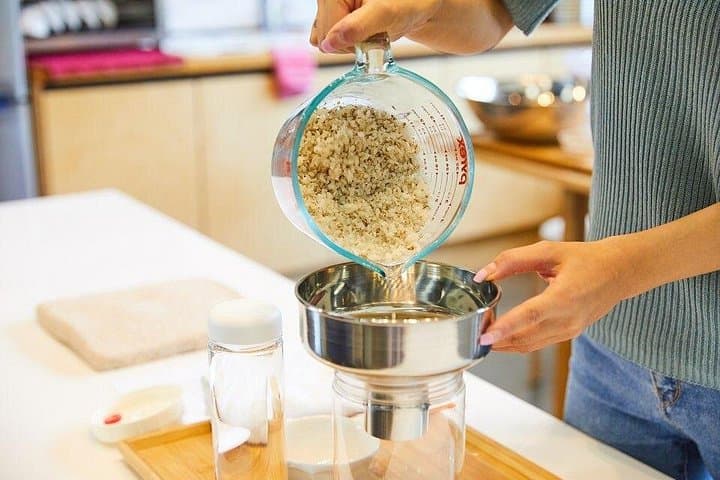
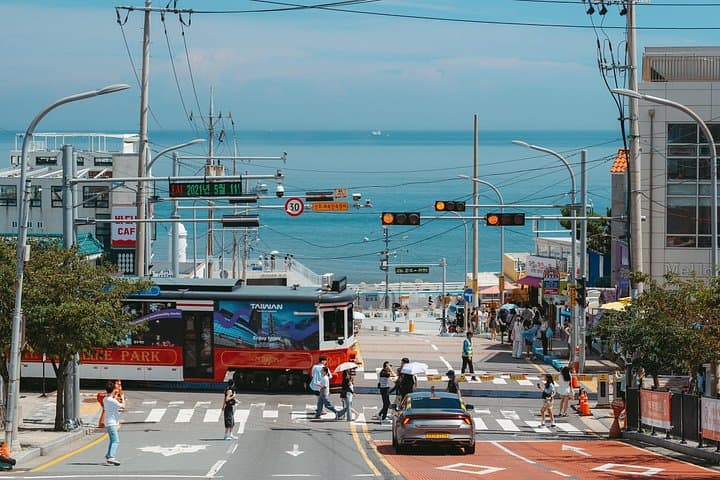
Expect a mix of sensory experiences: the tactile rhythm of stirring rice mash, the hush of temple halls, and the vast, restless ocean outside Blue Line Park windows. Practical notes: wear comfortable walking shoes for mixed pavement and temple stone, bring a lightweight layer against coastal wind, and pace tastings to avoid overindulgence. Hydrate between samples and aim for morning departures to avoid afternoon crowds at Tongdosa and seaside cafes. If you want photos, the best light is early or late; if you prefer quieter moments, request earlier pickup.
This is a relaxed cultural day with short walks, hands-on craft, and coastal views—ideal for travelers who want food, history, and scenery in one accessible package.
The tour includes short walks on paved and stone surfaces—sessions are mostly stationary (workshop, temple visits, cafes) and suitable for most abilities.
Yes—your booking includes the makgeolli workshop, a Korean-style lunch, and a drink at an ocean-view cafe; additional purchases are optional.
Families with children can attend; stroller access is possible for most stops, but some temple areas have steps and uneven ground.
Notify the operator at booking so they can advise on menu options; strict restrictions may be limited at temple-food settings.
FUNTOUR Inc. operates guided outdoor trips and adventures with an emphasis on safety, stewardship, and memorable experiences.
Morning light slants across the Atlantic edge of Busan as the day begins with the tang of steamed rice and the warm, yeasty promise of freshly made makgeolli. In a compact nine-hour loop you move from a hands-on fermentation bench in Haeundae to the quiet courtyards of Tongdosa, then out along the cliffs and coastal tracks where cafes tilt toward the sea.
Morning light slants across the Atlantic edge of Busan as the day begins with the tang of steamed rice and the warm, yeasty promise of freshly made makgeolli. In a compact nine-hour loop you move from a hands-on fermentation bench in Haeundae to the quiet courtyards of Tongdosa, then out along the cliffs and coastal tracks where cafes tilt toward the sea.
Tongdosa is one of Korea’s Three Jewel temples, a living archive of Silla- and Goryeo-era devotion with its famous Seounam jar yards where monks age sauces and pastes in thousands of earthenware crocks. Geologically, the route follows the edge of the Korean Peninsula’s southeastern granite spine; cliffs and pebble beaches give way to pine-fringed temple slopes. Busan’s port history and modern cafe culture converge here—sea-salt air meets carefully brewed coffee and contemporary reinterpretations of Korean food.
Expect a mix of sensory experiences: the tactile rhythm of stirring rice mash, the hush of temple halls, and the vast, restless ocean outside Blue Line Park windows. Practical notes: wear comfortable walking shoes for mixed pavement and temple stone, bring a lightweight layer against coastal wind, and pace tastings to avoid overindulgence. Hydrate between samples and aim for morning departures to avoid afternoon crowds at Tongdosa and seaside cafes. If you want photos, the best light is early or late; if you prefer quieter moments, request earlier pickup.
This is a relaxed cultural day with short walks, hands-on craft, and coastal views—ideal for travelers who want food, history, and scenery in one accessible package.