THE ADVENTURE COLLECTIVE® · Independent discovery and booking for outdoor travel

Spend a morning touring family farms in the Santa Ynez Valley—visit a regenerative cattle ranch, wander a walnut grove, pick seasonal fruit, and finish with olive oil and balsamic tastings plus a picnic. Ideal for families and anyone curious about local agriculture.
Spend a morning touring family farms in the Santa Ynez Valley—visit a regenerative cattle ranch, wander a walnut grove, pick seasonal fruit, and finish with olive oil and balsamic tastings plus a picnic. Ideal for families and anyone curious about local agriculture.
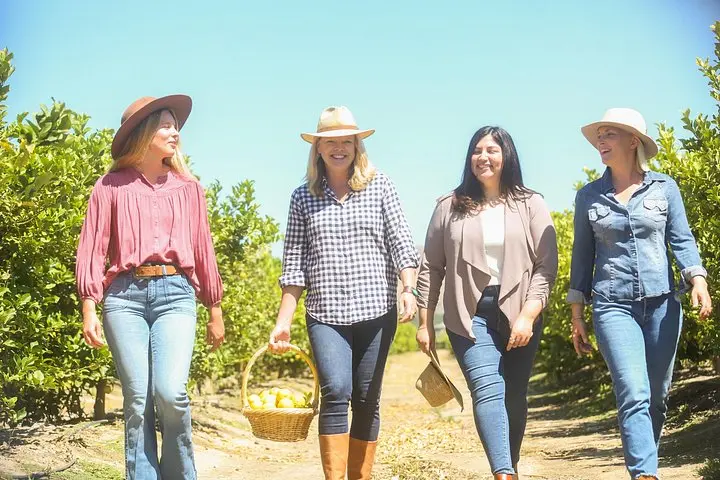
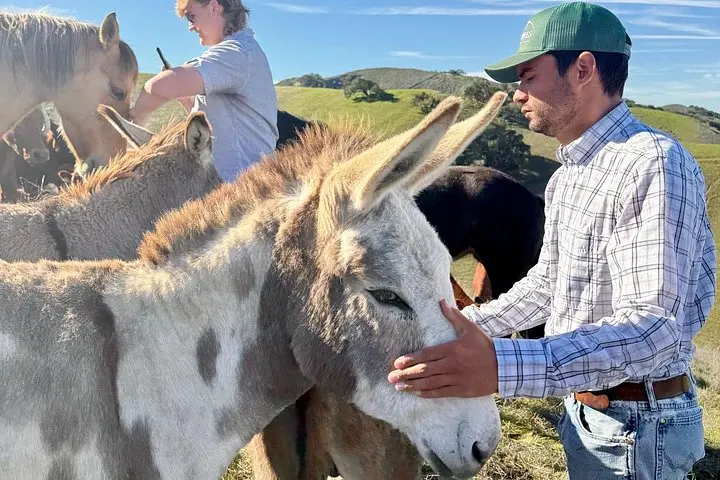
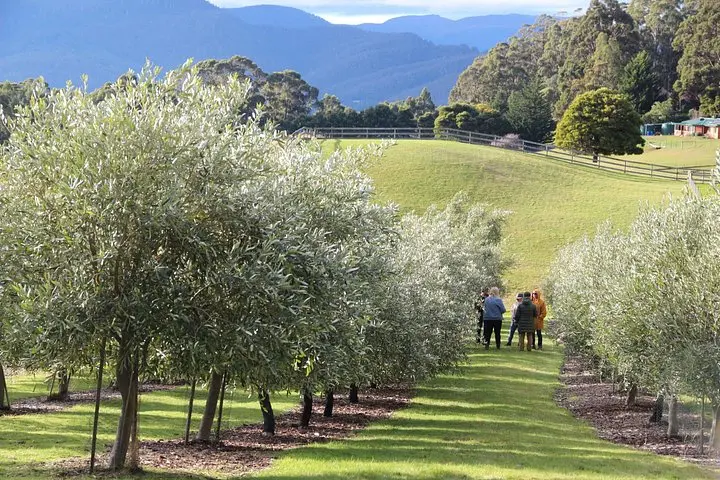
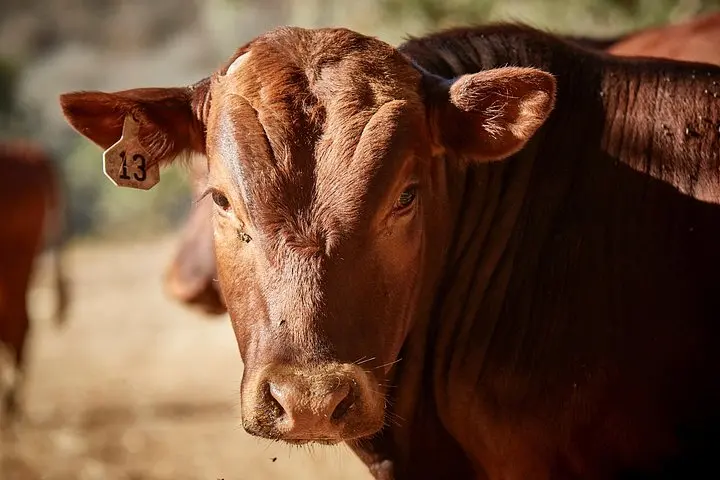
Morning light spills across low hills as the tour departs near Mission Santa Inés, and the valley opens like a working map—rows of olive trees, a walnut stand, and wide pastures where mustangs graze. Guests move deliberately from one small-family operation to the next: a regenerative cattle ranch where donkeys and friendly ranch animals inspect new visitors, a walnut grove threaded with shade, and an olive mill where balsamic meets oil on a wooden board.
Verified experiences and guided adventures in the surrounding area.
Operated by Heritage Farmland Touring Company · Solvang, California
Morning light spills across low hills as the tour departs near Mission Santa Inés, and the valley opens like a working map—rows of olive trees, a walnut stand, and wide pastures where mustangs graze. Guests move deliberately from one small-family operation to the next: a regenerative cattle ranch where donkeys and friendly ranch animals inspect new visitors, a walnut grove threaded with shade, and an olive mill where balsamic meets oil on a wooden board.
The Santa Ynez Valley carries a layered history: oak-studded terraces shaped by Chumash stewardship, Spanish mission-era land divisions, and a modern pivot back toward sustainable farming. Geologically, the valley sits on gentle alluvial plains fed by the coastal ranges; soils range from sandy loam in orchards to heavier clay in older pasture, which affects drainage and what growers plant where. Culturally, this is hands-on agriculture—U-pick fruit when in season, tactile tastings, and chatty hosts who explain crop rotations and water management.
Practically speaking, expect 3–4 hours of easy walking across uneven farm paths, with multiple short stops for tastings and a charcuterie picnic in a scenic grove. Comfortable closed-toe shoes and a refillable water bottle are essential. Tours run Thursday–Sunday, starting at 9:00 AM and finishing around 12:30 PM; they’re family-friendly and educational, but require moderate mobility for farm terrain. Bring sunscreen, a hat, and a sense of curiosity—the experience is as much about meeting people and animals as it is about tasting local flavors. Support the farms by staying on paths, taking only what you pick, and asking about sustainable practices.
The tour is family-friendly and allows service animals; pets are typically not recommended due to livestock and farm biosecurity—check with the operator.
Yes. The itinerary includes on-farm tastings (olive oil, balsamic, and seasonal produce) and a charcuterie picnic as described in the inclusions.
Strollers are possible on most flat sections but expect uneven terrain; travelers should have moderate fitness—contact the operator if you need wheelchair accommodations.
Full refunds are available if you cancel at least 24 hours before departure; tours may be canceled for bad weather or insufficient travelers.
Heritage Farmland Touring Company operates guided outdoor trips and adventures with an emphasis on safety, stewardship, and memorable experiences.
Morning light spills across low hills as the tour departs near Mission Santa Inés, and the valley opens like a working map—rows of olive trees, a walnut stand, and wide pastures where mustangs graze. Guests move deliberately from one small-family operation to the next: a regenerative cattle ranch where donkeys and friendly ranch animals inspect new visitors, a walnut grove threaded with shade, and an olive mill where balsamic meets oil on a wooden board.
Morning light spills across low hills as the tour departs near Mission Santa Inés, and the valley opens like a working map—rows of olive trees, a walnut stand, and wide pastures where mustangs graze. Guests move deliberately from one small-family operation to the next: a regenerative cattle ranch where donkeys and friendly ranch animals inspect new visitors, a walnut grove threaded with shade, and an olive mill where balsamic meets oil on a wooden board.
The Santa Ynez Valley carries a layered history: oak-studded terraces shaped by Chumash stewardship, Spanish mission-era land divisions, and a modern pivot back toward sustainable farming. Geologically, the valley sits on gentle alluvial plains fed by the coastal ranges; soils range from sandy loam in orchards to heavier clay in older pasture, which affects drainage and what growers plant where. Culturally, this is hands-on agriculture—U-pick fruit when in season, tactile tastings, and chatty hosts who explain crop rotations and water management.
Practically speaking, expect 3–4 hours of easy walking across uneven farm paths, with multiple short stops for tastings and a charcuterie picnic in a scenic grove. Comfortable closed-toe shoes and a refillable water bottle are essential. Tours run Thursday–Sunday, starting at 9:00 AM and finishing around 12:30 PM; they’re family-friendly and educational, but require moderate mobility for farm terrain. Bring sunscreen, a hat, and a sense of curiosity—the experience is as much about meeting people and animals as it is about tasting local flavors. Support the farms by staying on paths, taking only what you pick, and asking about sustainable practices.