THE ADVENTURE COLLECTIVE® · Independent discovery and booking for outdoor travel

Long Dong is Taiwan’s coastal climbing classroom—sea-carved cliffs, AMGA-certified instruction, and routes that suit beginners and seasoned climbers alike. Read on for what to expect, how to prepare and local tips for the best climbing day on Taiwan’s northeast coast.
Long Dong is Taiwan’s coastal climbing classroom—sea-carved cliffs, AMGA-certified instruction, and routes that suit beginners and seasoned climbers alike. Read on for what to expect, how to prepare and local tips for the best climbing day on Taiwan’s northeast coast.
The day begins with a cold wind off the Pacific and the sound of waves arguing with rock. At Long Dong, the cliff faces jut from the sea like pages torn from the coastline, full of pockets, crimps and seams that demand attention. Climbers unload ropes and gear in a small parking lot, trade quick smiles with an AMGA-certified guide and step onto a short stony path where the ocean sets the rhythm—tide, spray, sunlight. What starts as a warm-up on lower walls quickly becomes a study of balance and patience: feet searching for tiny edges, fingers testing salt-worn holds, the guide calling beta from below.
Verified experiences and guided adventures in the surrounding area.
Operated by The Bivy Taiwan Rock Climbing Trips · Ruifang, New Taipei City
The day begins with a cold wind off the Pacific and the sound of waves arguing with rock. At Long Dong, the cliff faces jut from the sea like pages torn from the coastline, full of pockets, crimps and seams that demand attention. Climbers unload ropes and gear in a small parking lot, trade quick smiles with an AMGA-certified guide and step onto a short stony path where the ocean sets the rhythm—tide, spray, sunlight. What starts as a warm-up on lower walls quickly becomes a study of balance and patience: feet searching for tiny edges, fingers testing salt-worn holds, the guide calling beta from below.
Long Dong’s cliffs sit where tectonic uplift and relentless wave erosion have exposed layered bedrock, cleaved and sculpted into overhangs, plates and narrow chimneys. The area’s maritime history is practical: fishermen, wartime lookouts and small-scale miners used these coves long before climbers found routes. Today the culture around Long Dong mixes local fishermen, weekend climbers from Taipei, and a handful of guiding outfits teaching everything from knots to lead climbing. Expect bilingual instruction on most guided days and a local rhythm that values low-impact access and respect for nesting seabirds.
The climbing itself is compact and intense. Routes are typically 10–30 meters with approaches between a 3–15 minute walk from parking; elevation gain on routes is minimal but exposure to wind and sea spray amplifies difficulty. Guides tailor sessions by ability—beginners work top-rope and footwork drills, intermediates refine lead skills, and experienced climbers push to sustained sport lines. The rock’s texture rewards precise foot placements; wet sections and loose sand near the base can sneak up on you, so timing with lower tides and calmer seas matters.
Practical details: tours run about 8 hours including transport and instruction, and complimentary pickup from Ruifang Train Station is common. Wear sticky climbing shoes, a harness and helmet (usually provided if not brought), pack 2–3 liters of water, reef-safe sunscreen and a windproof layer. Start early to beat afternoon typhoon squalls and weekend crowds; midweek mornings often deliver the best conditions. If you’re new to trad or multi-pitch techniques, this guided format builds the basics safely—expect hands-on coaching, taught drills and focused feedback.
Long Dong gives the coastline voice and agency: currents carve the tide pools, seabirds claim ledges, and the rock challenges you to move deliberately. Leave no trace, follow your guide’s route management, and you’ll walk away with new technique and a sharper appreciation for climbing where land meets sea.
No—guided trips are designed for all levels; guides cover basics like knots, belaying and rope management for beginners.
Routes typically range 10–30 meters with approaches of 3–15 minutes from parking; the full tour lasts about 8 hours including instruction and transport.
Most operators supply ropes, helmets and harnesses; confirm if climbing shoes are available or bring your own for best fit.
Tours cancel in heavy rain, high winds or typhoon conditions—operators usually refund bookings if canceled 24+ hours in advance for safety.
Yes—complimentary pickup at Ruifang Train Station is common; pickup in Taipei may be offered for a fee.
Yes—seasonal closures occur for nesting seabirds; guides will route you around protected sectors to minimize disturbance.
The Bivy Taiwan Rock Climbing Trips operates guided outdoor trips and adventures with an emphasis on safety, stewardship, and memorable experiences.
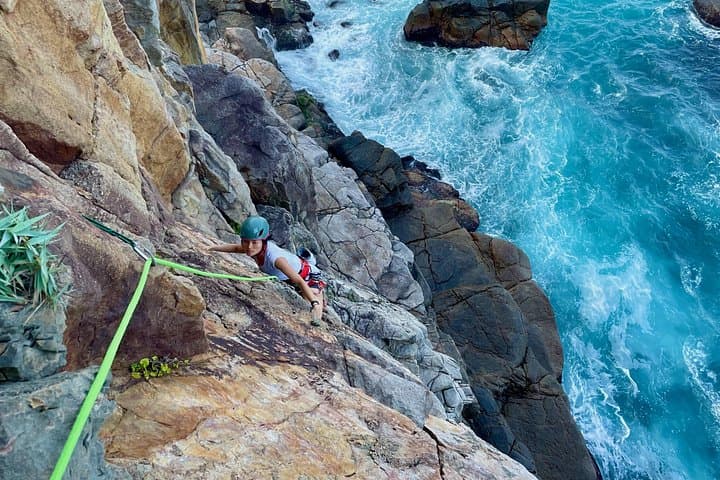
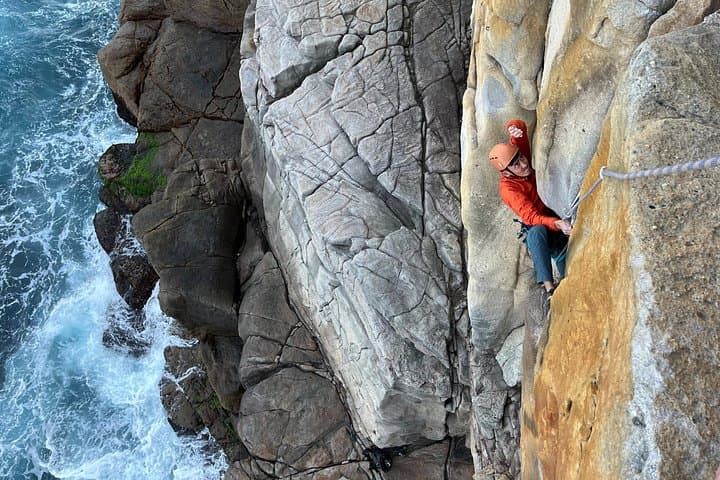
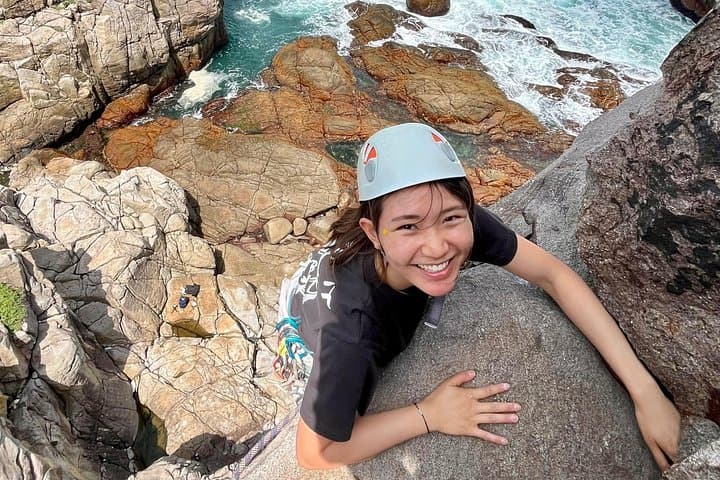
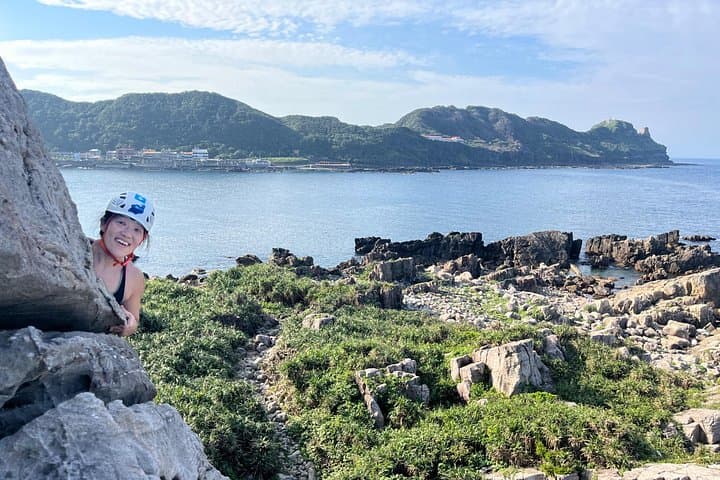
The day begins with a cold wind off the Pacific and the sound of waves arguing with rock. At Long Dong, the cliff faces jut from the sea like pages torn from the coastline, full of pockets, crimps and seams that demand attention. Climbers unload ropes and gear in a small parking lot, trade quick smiles with an AMGA-certified guide and step onto a short stony path where the ocean sets the rhythm—tide, spray, sunlight. What starts as a warm-up on lower walls quickly becomes a study of balance and patience: feet searching for tiny edges, fingers testing salt-worn holds, the guide calling beta from below.
The day begins with a cold wind off the Pacific and the sound of waves arguing with rock. At Long Dong, the cliff faces jut from the sea like pages torn from the coastline, full of pockets, crimps and seams that demand attention. Climbers unload ropes and gear in a small parking lot, trade quick smiles with an AMGA-certified guide and step onto a short stony path where the ocean sets the rhythm—tide, spray, sunlight. What starts as a warm-up on lower walls quickly becomes a study of balance and patience: feet searching for tiny edges, fingers testing salt-worn holds, the guide calling beta from below.
Long Dong’s cliffs sit where tectonic uplift and relentless wave erosion have exposed layered bedrock, cleaved and sculpted into overhangs, plates and narrow chimneys. The area’s maritime history is practical: fishermen, wartime lookouts and small-scale miners used these coves long before climbers found routes. Today the culture around Long Dong mixes local fishermen, weekend climbers from Taipei, and a handful of guiding outfits teaching everything from knots to lead climbing. Expect bilingual instruction on most guided days and a local rhythm that values low-impact access and respect for nesting seabirds.
The climbing itself is compact and intense. Routes are typically 10–30 meters with approaches between a 3–15 minute walk from parking; elevation gain on routes is minimal but exposure to wind and sea spray amplifies difficulty. Guides tailor sessions by ability—beginners work top-rope and footwork drills, intermediates refine lead skills, and experienced climbers push to sustained sport lines. The rock’s texture rewards precise foot placements; wet sections and loose sand near the base can sneak up on you, so timing with lower tides and calmer seas matters.
Practical details: tours run about 8 hours including transport and instruction, and complimentary pickup from Ruifang Train Station is common. Wear sticky climbing shoes, a harness and helmet (usually provided if not brought), pack 2–3 liters of water, reef-safe sunscreen and a windproof layer. Start early to beat afternoon typhoon squalls and weekend crowds; midweek mornings often deliver the best conditions. If you’re new to trad or multi-pitch techniques, this guided format builds the basics safely—expect hands-on coaching, taught drills and focused feedback.
Long Dong gives the coastline voice and agency: currents carve the tide pools, seabirds claim ledges, and the rock challenges you to move deliberately. Leave no trace, follow your guide’s route management, and you’ll walk away with new technique and a sharper appreciation for climbing where land meets sea.