THE ADVENTURE COLLECTIVE® · Independent discovery and booking for outdoor travel

Experience the 6-day Marangu Route climb up Mount Kilimanjaro, Africa’s tallest peak. Traverse from dense rainforest through alpine moorland to a sunrise summit at Uhuru Peak, all while enjoying comfortable mountain huts along the way.
Experience the 6-day Marangu Route climb up Mount Kilimanjaro, Africa’s tallest peak. Traverse from dense rainforest through alpine moorland to a sunrise summit at Uhuru Peak, all while enjoying comfortable mountain huts along the way.
As dawn breaks over Moshi, the gateway town at the foot of Africa’s tallest peak, anticipation hums through the air. The Marangu Route—a trail winding its way upward through shifting ecological zones—beckons. Beginning at 1830 meters, the journey ushers climbers through a living gallery: dense montane rainforests where elephants quietly roam beneath canopies dripping with moisture and the calls of elusive primates echo. The path, softened by humid earth and often slick with mud, challenges hikers to steady footing, urging gaiters and poles to keep cadence strong.
Verified experiences and guided adventures in the surrounding area.
Operated by Kim'zebra Adventures & Safaris · Moshi, Kilimanjaro Region
As dawn breaks over Moshi, the gateway town at the foot of Africa’s tallest peak, anticipation hums through the air. The Marangu Route—a trail winding its way upward through shifting ecological zones—beckons. Beginning at 1830 meters, the journey ushers climbers through a living gallery: dense montane rainforests where elephants quietly roam beneath canopies dripping with moisture and the calls of elusive primates echo. The path, softened by humid earth and often slick with mud, challenges hikers to steady footing, urging gaiters and poles to keep cadence strong.
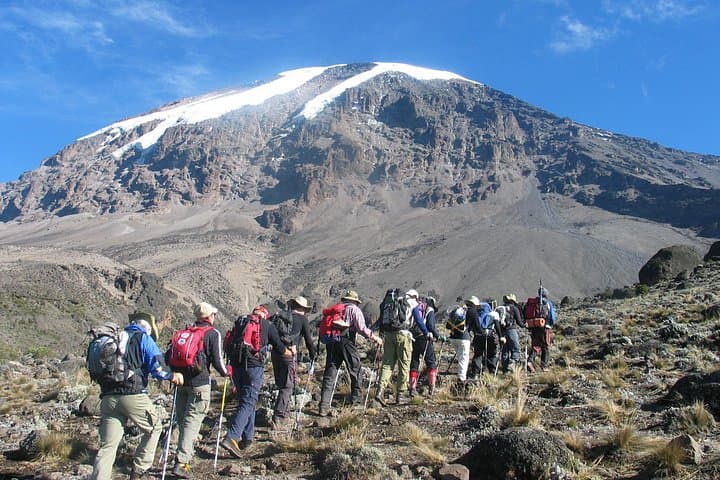
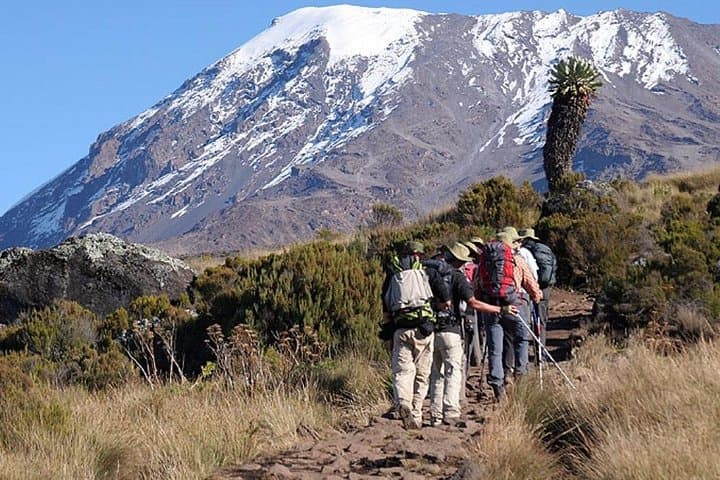
Emerging from the rainforest, the landscape pivots to moorland, a stark change marked by giant lobelias and groundsel towers reaching skyward like timeworn sentinels. The air lightens and temperature dips as the terrain opens beneath the soaring crags of Mawenzi. Each step upwards reveals sweeping views—the expansive silhouette of Kibo’s dormant volcanic cone dominating the horizon.
On acclimatization days at Horombo Hut, the mountain seems to breathe alongside you. The surrounding heathland whispers with the rustle of wind-swept grasses, while tethered clouds drift lazily above. Optional side walks to Mawenzi’s base offer chances to bond with the altitude and seize panoramic vistas, providing a strategic addition that nearly doubles summit success rates.
The ascent beyond Kibo Hut pierces a dramatic semi-desert realm, where volcanic scree and hardened lava hint at the mountain's restless geologic life. The summit push begins in the dark — a midnight climb that threads switchbacks under starlit skies, pushing through biting cold and thinner air. The terrain daringly challenges with steep scree and encroaching snowfields near Gillman’s Point.
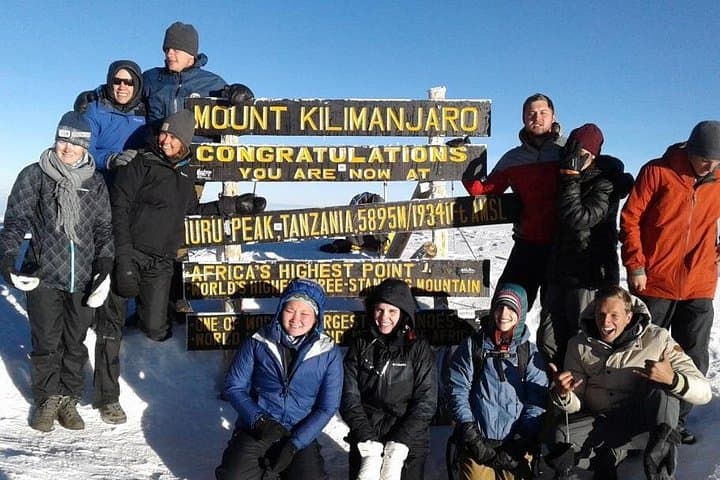
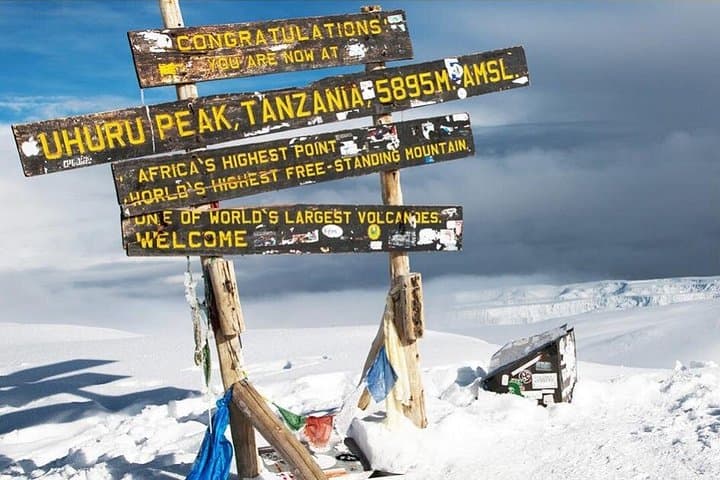
Reaching Uhuru Peak at sunrise—the roof of Africa—imbues a profound mix of triumph and awe, the vast African plains sprawling endlessly below. The descent retraces steps through fragile ecosystems back to rainforest, reminding climbers of the mountain’s grand environmental story.
This six-day itinerary balances challenge, natural immersion, and comfort with nights in mountain huts—an accessible route for moderate fitness adventurers. Visitors should plan for varied weather, layered gear, and mindful pacing to guard against altitude sickness. Guided by experienced crews, supported by porters, this trek is not just a climb but a vivid journey through Africa’s ecological zones and cultural rhythms.
Practical tips include preparing trekking poles for muddy lower trails, hydrating often amid increasing elevation, and embracing acclimatization to boost summit odds. Ending in Moshi, adventurers return transformed by a mountain that demands respect and rewards perseverance with unforgettable views and certificates of achievement.
Whether drawn by the allure of high-altitude achievement or the diversity of terrain, the Marangu Route on Kilimanjaro stands as a gateway to one of Africa’s most distinct adventures.
The dry months from late June to October and from December to February offer the best weather for climbing and clearer trails.
Yes, the mountain huts along the Marangu Route are equipped with toilet facilities, though conditions may be rustic.
While this route is considered one of the easier Kilimanjaro routes, it is still physically demanding due to altitude and terrain. Moderate fitness and acclimatization are necessary.
Climbers stay in mountain huts on the Marangu Route, offering simple but comfortable shelter compared to tent camping.
Yes, altitude sickness can affect anyone; the itinerary includes acclimatization days to help reduce risks, but climbers should be vigilant and communicate any symptoms.
Yes, the trek includes porters who carry up to 15 kg of personal gear, allowing you to hike lighter and focus on the climb.
Kim'zebra Adventures & Safaris operates guided outdoor trips and adventures with an emphasis on safety, stewardship, and memorable experiences.
As dawn breaks over Moshi, the gateway town at the foot of Africa’s tallest peak, anticipation hums through the air. The Marangu Route—a trail winding its way upward through shifting ecological zones—beckons. Beginning at 1830 meters, the journey ushers climbers through a living gallery: dense montane rainforests where elephants quietly roam beneath canopies dripping with moisture and the calls of elusive primates echo. The path, softened by humid earth and often slick with mud, challenges hikers to steady footing, urging gaiters and poles to keep cadence strong.
As dawn breaks over Moshi, the gateway town at the foot of Africa’s tallest peak, anticipation hums through the air. The Marangu Route—a trail winding its way upward through shifting ecological zones—beckons. Beginning at 1830 meters, the journey ushers climbers through a living gallery: dense montane rainforests where elephants quietly roam beneath canopies dripping with moisture and the calls of elusive primates echo. The path, softened by humid earth and often slick with mud, challenges hikers to steady footing, urging gaiters and poles to keep cadence strong.
Emerging from the rainforest, the landscape pivots to moorland, a stark change marked by giant lobelias and groundsel towers reaching skyward like timeworn sentinels. The air lightens and temperature dips as the terrain opens beneath the soaring crags of Mawenzi. Each step upwards reveals sweeping views—the expansive silhouette of Kibo’s dormant volcanic cone dominating the horizon.
On acclimatization days at Horombo Hut, the mountain seems to breathe alongside you. The surrounding heathland whispers with the rustle of wind-swept grasses, while tethered clouds drift lazily above. Optional side walks to Mawenzi’s base offer chances to bond with the altitude and seize panoramic vistas, providing a strategic addition that nearly doubles summit success rates.
The ascent beyond Kibo Hut pierces a dramatic semi-desert realm, where volcanic scree and hardened lava hint at the mountain's restless geologic life. The summit push begins in the dark — a midnight climb that threads switchbacks under starlit skies, pushing through biting cold and thinner air. The terrain daringly challenges with steep scree and encroaching snowfields near Gillman’s Point.
Reaching Uhuru Peak at sunrise—the roof of Africa—imbues a profound mix of triumph and awe, the vast African plains sprawling endlessly below. The descent retraces steps through fragile ecosystems back to rainforest, reminding climbers of the mountain’s grand environmental story.
This six-day itinerary balances challenge, natural immersion, and comfort with nights in mountain huts—an accessible route for moderate fitness adventurers. Visitors should plan for varied weather, layered gear, and mindful pacing to guard against altitude sickness. Guided by experienced crews, supported by porters, this trek is not just a climb but a vivid journey through Africa’s ecological zones and cultural rhythms.
Practical tips include preparing trekking poles for muddy lower trails, hydrating often amid increasing elevation, and embracing acclimatization to boost summit odds. Ending in Moshi, adventurers return transformed by a mountain that demands respect and rewards perseverance with unforgettable views and certificates of achievement.
Whether drawn by the allure of high-altitude achievement or the diversity of terrain, the Marangu Route on Kilimanjaro stands as a gateway to one of Africa’s most distinct adventures.