THE ADVENTURE COLLECTIVE® · Independent discovery and booking for outdoor travel

Spend a half-day with a Coast Guard–certified captain hunting bay scallops on Florida’s Nature Coast. This guided scalloping charter in Crystal River combines shallow-water snorkeling, local know-how, and hands-on conservation guidance.
Spend a half-day with a Coast Guard–certified captain hunting bay scallops on Florida’s Nature Coast. This guided scalloping charter in Crystal River combines shallow-water snorkeling, local know-how, and hands-on conservation guidance.
The boat slips free from the dock and the Gulf opens like a bright, shallow pool. Seagrass plains ripple under a clear surface; you can already see the dark specks that will become scallops. Captain Dylan pilots a low-profile flats boat across the grass beds, drops the anchor, and hands out masks — the work is simple, tactile and marine.
Verified experiences and guided adventures in the surrounding area.
Operated by Big 3 Charters · Crystal River, Florida
The boat slips free from the dock and the Gulf opens like a bright, shallow pool. Seagrass plains ripple under a clear surface; you can already see the dark specks that will become scallops. Captain Dylan pilots a low-profile flats boat across the grass beds, drops the anchor, and hands out masks — the work is simple, tactile and marine.
This stretch of Florida’s Nature Coast has long supported small-scale fisheries and shellfishing; modern scalloping here follows strict seasons and bag limits born from decades of local stewardship and state regulation. Geologically the flats are soft carbonate sand, packed with seagrass that stabilizes sediment and hosts invertebrates. Culturally, towns like Crystal River and Homosassa are oriented around the water — outfitters, charter skiffs and fish houses frame daily life.
On a guided scalloping trip you’ll snorkel over the grass bottom, sight scallops by their distinctive scalloped shell, and collect within permitted limits. Expect shallow water (often waist- to chest-deep), slow boat time, and hands-on instruction about handling and conservation. The experience is more for steady-water swimmers than divers and is accessible to families with basic snorkeling ability.
Practical notes: wear a snug mask, reef-safe sunscreen, and a flotation vest if you’re not a confident snorkeler. Check the Florida Fish and Wildlife scalloping season and local bag limits before you go; captains will also brief on no-touch rules for seagrass beds. Plan for sun, wind on the flats, and an early departure to catch calmer water and clearer visibility.
Recreational scalloping in Florida requires adherence to state season dates and bag limits but no separate license for scalloping; check Florida Fish and Wildlife for current rules.
Yes—many trips welcome kids; operators often recommend flotation vests and parental supervision for younger snorkelers.
Charters typically cancel in adverse conditions and offer refunds or rescheduling; confirm the captain’s weather policy at booking.
Bag and possession limits change; your captain will brief you, and limits must follow Florida regulations—always verify current limits before harvesting.
Big 3 Charters operates guided outdoor trips and adventures with an emphasis on safety, stewardship, and memorable experiences.
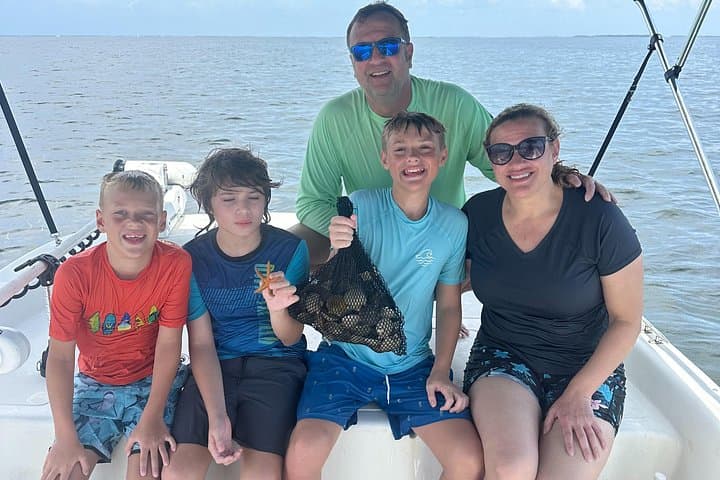

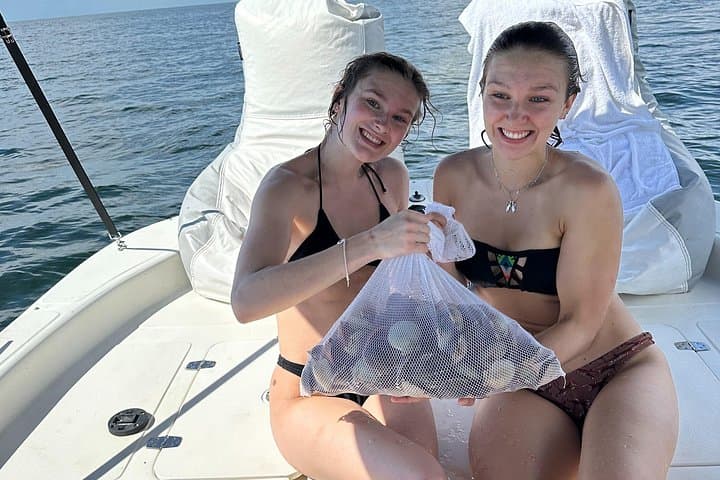
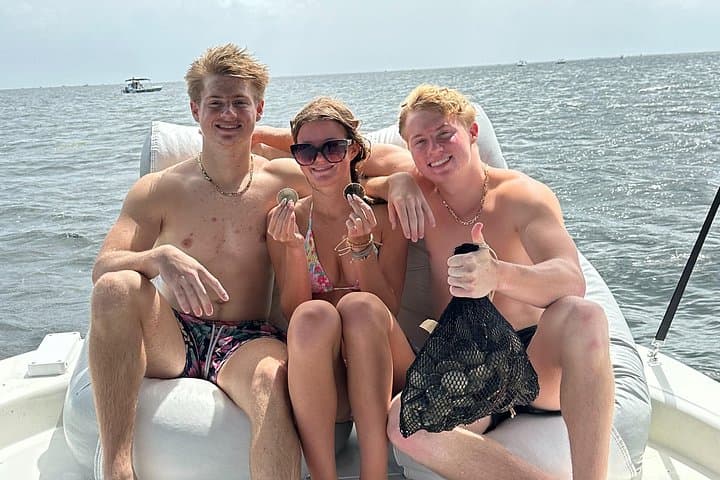
The boat slips free from the dock and the Gulf opens like a bright, shallow pool. Seagrass plains ripple under a clear surface; you can already see the dark specks that will become scallops. Captain Dylan pilots a low-profile flats boat across the grass beds, drops the anchor, and hands out masks — the work is simple, tactile and marine.
The boat slips free from the dock and the Gulf opens like a bright, shallow pool. Seagrass plains ripple under a clear surface; you can already see the dark specks that will become scallops. Captain Dylan pilots a low-profile flats boat across the grass beds, drops the anchor, and hands out masks — the work is simple, tactile and marine.
This stretch of Florida’s Nature Coast has long supported small-scale fisheries and shellfishing; modern scalloping here follows strict seasons and bag limits born from decades of local stewardship and state regulation. Geologically the flats are soft carbonate sand, packed with seagrass that stabilizes sediment and hosts invertebrates. Culturally, towns like Crystal River and Homosassa are oriented around the water — outfitters, charter skiffs and fish houses frame daily life.
On a guided scalloping trip you’ll snorkel over the grass bottom, sight scallops by their distinctive scalloped shell, and collect within permitted limits. Expect shallow water (often waist- to chest-deep), slow boat time, and hands-on instruction about handling and conservation. The experience is more for steady-water swimmers than divers and is accessible to families with basic snorkeling ability.
Practical notes: wear a snug mask, reef-safe sunscreen, and a flotation vest if you’re not a confident snorkeler. Check the Florida Fish and Wildlife scalloping season and local bag limits before you go; captains will also brief on no-touch rules for seagrass beds. Plan for sun, wind on the flats, and an early departure to catch calmer water and clearer visibility.