THE ADVENTURE COLLECTIVE® · Independent discovery and booking for outdoor travel

An 11-day guided loop through western Bhutan that pairs short hikes, UNESCO-style dzongs and village markets with wildlife viewing in Phobjikha. Perfect for travelers wanting culture, modest trekking and reliable logistics.
An 11-day guided loop through western Bhutan that pairs short hikes, UNESCO-style dzongs and village markets with wildlife viewing in Phobjikha. Perfect for travelers wanting culture, modest trekking and reliable logistics.
You arrive over a rim of green ridges and a single runway tucked like a secret into the Himalaya; the driver meets you at Paro and the road immediately begins to climb toward pine-scented passes and white-washed dzongs. Early mornings here feel brisk — wind presses on the valley and rivers below dare you to follow their ribboned courses toward the plains.
Verified experiences and guided adventures in the surrounding area.
Operated by WORLD TOUR PLAN · Thimphu, Thimphu District
You arrive over a rim of green ridges and a single runway tucked like a secret into the Himalaya; the driver meets you at Paro and the road immediately begins to climb toward pine-scented passes and white-washed dzongs. Early mornings here feel brisk — wind presses on the valley and rivers below dare you to follow their ribboned courses toward the plains.
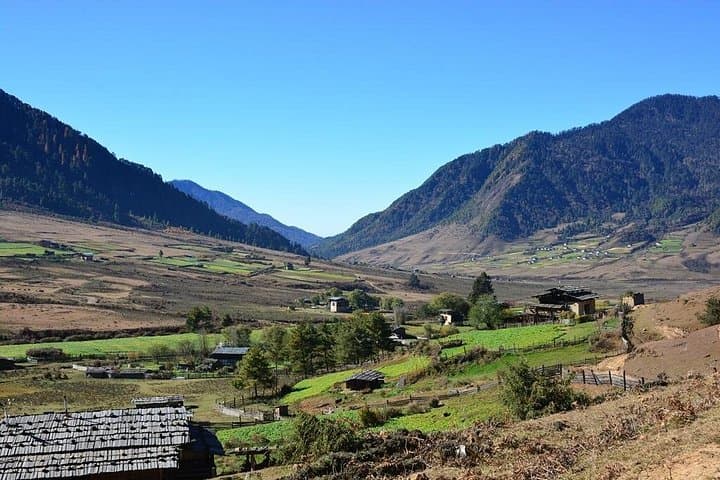
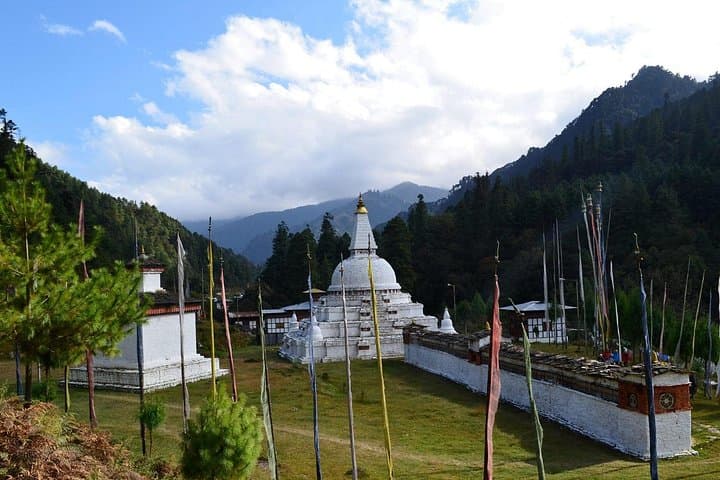
This 11-day guided itinerary stitches together western Bhutan’s cultural high points and its glacial geology: Paro’s cliff-hung Taktsang, the slate terraces of Punakha beside the confluence of the Pho and Mo Chhu, and the broad U-shaped Phobjikha Valley carved by ancient ice. History arrives in stone — dzongs and monasteries dating from the 17th century onward — while living crafts appear in Thimphu’s weekend market and the National Institute for Zorig Chusum.
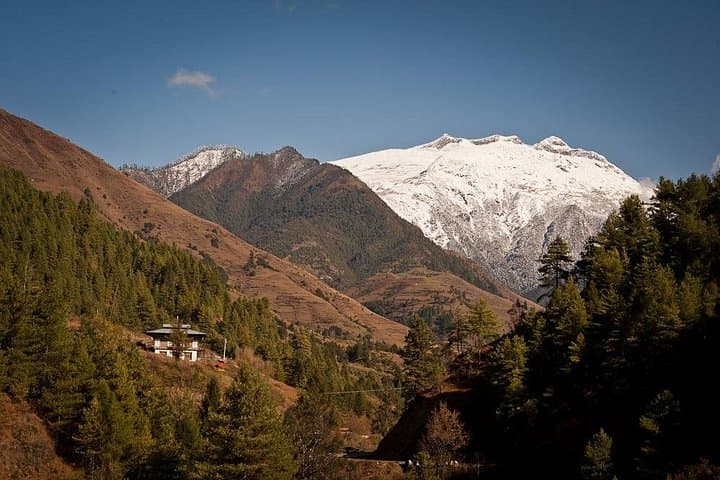
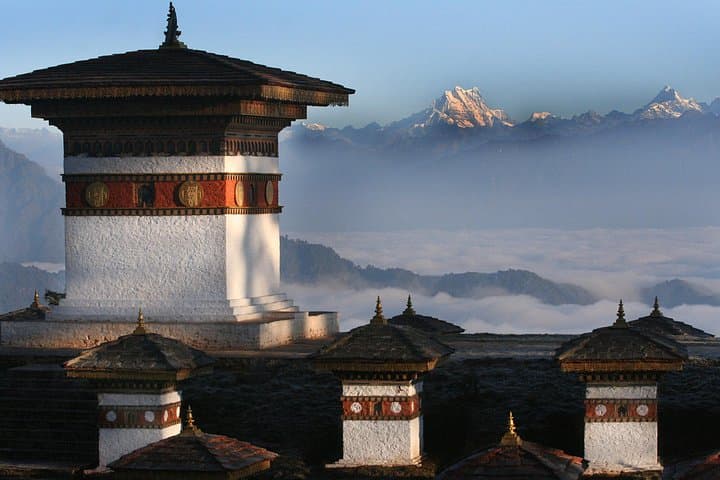
You’ll trace cultural threads of Tibetan Buddhist practice, hear legends of saints like Drukpa Kunley, and watch local life at farmhouses and handicraft shops. Ecologically, the trip passes spruce–rhododendron forests and high alpine passes (Chele La ~3,810 m), where views to Jumolhari are possible on clear days.
Practical guidance: permits and the Sustainable Development Fee are handled for you, but bring a valid passport and allow acclimatization time between valley and pass. Expect multiple short hikes—good trekking shoes, layered clothing, sun protection and a steady water routine are essential. Winter offers the best crane-watching in Phobjikha; clear-season visibility favors mountain panoramas. Guides manage logistics and cultural protocol—follow their lead at sacred sites. This tour balances ease of access with purposeful outdoor time, ideal for travelers who want organized cultural immersion with daily walks and wildlife viewing.
Yes. International visitors require a Bhutan visa and payment of the Sustainable Development Fee (SDF); the operator typically arranges permits and the SDF as part of the booking.
The cranes overwinter in Phobjikha—best viewing runs from late October through March, with peak numbers and clear mornings in winter.
Highest road pass on the route is Chele La (~3,810 m). Altitude sickness can affect anyone; stay hydrated, ascend slowly and notify guides of symptoms immediately.
Yes; this tour includes accommodations and meals as listed in the itinerary—typically twin sharing in 3‑star hotels with buffet breakfasts, lunches and dinners per day.
WORLD TOUR PLAN operates guided outdoor trips and adventures with an emphasis on safety, stewardship, and memorable experiences.
You arrive over a rim of green ridges and a single runway tucked like a secret into the Himalaya; the driver meets you at Paro and the road immediately begins to climb toward pine-scented passes and white-washed dzongs. Early mornings here feel brisk — wind presses on the valley and rivers below dare you to follow their ribboned courses toward the plains.
You arrive over a rim of green ridges and a single runway tucked like a secret into the Himalaya; the driver meets you at Paro and the road immediately begins to climb toward pine-scented passes and white-washed dzongs. Early mornings here feel brisk — wind presses on the valley and rivers below dare you to follow their ribboned courses toward the plains.
This 11-day guided itinerary stitches together western Bhutan’s cultural high points and its glacial geology: Paro’s cliff-hung Taktsang, the slate terraces of Punakha beside the confluence of the Pho and Mo Chhu, and the broad U-shaped Phobjikha Valley carved by ancient ice. History arrives in stone — dzongs and monasteries dating from the 17th century onward — while living crafts appear in Thimphu’s weekend market and the National Institute for Zorig Chusum.
You’ll trace cultural threads of Tibetan Buddhist practice, hear legends of saints like Drukpa Kunley, and watch local life at farmhouses and handicraft shops. Ecologically, the trip passes spruce–rhododendron forests and high alpine passes (Chele La ~3,810 m), where views to Jumolhari are possible on clear days.
Practical guidance: permits and the Sustainable Development Fee are handled for you, but bring a valid passport and allow acclimatization time between valley and pass. Expect multiple short hikes—good trekking shoes, layered clothing, sun protection and a steady water routine are essential. Winter offers the best crane-watching in Phobjikha; clear-season visibility favors mountain panoramas. Guides manage logistics and cultural protocol—follow their lead at sacred sites. This tour balances ease of access with purposeful outdoor time, ideal for travelers who want organized cultural immersion with daily walks and wildlife viewing.