THE ADVENTURE COLLECTIVE® · Independent discovery and booking for outdoor travel

Swap Kathmandu traffic for a five- to six-hour motorcycle escape to Kulekhani: a shallow mountain reservoir, a riverside Hindu temple, and twisty country roads. This guided ride balances relaxed sightseeing with short road challenges—ideal for both pillion passengers and confident riders.
Swap Kathmandu traffic for a five- to six-hour motorcycle escape to Kulekhani: a shallow mountain reservoir, a riverside Hindu temple, and twisty country roads. This guided ride balances relaxed sightseeing with short road challenges—ideal for both pillion passengers and confident riders.
Morning light strips across Kathmandu’s outskirts as you peel away from the city, engine low and road climbing. The ride toward Kulekhani quickly trades concrete for terraced fields and winding two-lane roads that shoulder small rivers; the reservoir appears like a quiet bowl cut into the hills, its surface daring you to slow down and look.
Verified experiences and guided adventures in the surrounding area.
Operated by Arpan Nepal · Kulekhani, Bagmati Province
Morning light strips across Kathmandu’s outskirts as you peel away from the city, engine low and road climbing. The ride toward Kulekhani quickly trades concrete for terraced fields and winding two-lane roads that shoulder small rivers; the reservoir appears like a quiet bowl cut into the hills, its surface daring you to slow down and look.
Kulekhani’s dam and Indrasarovar were built in the mid-20th century to harness the local rivers for hydroelectric power; geology here is folded hill country—steep ridgelines, soft sedimentary soils and narrow river valleys carved by monsoon torrents. Villages en route host small hill shrines and an ancient Hindu temple on the riverbank, a compact cultural stop that offers incense-scented air and local stonework.
Expect a mostly paved, occasionally rough route of 50–70 km each way from central Kathmandu, with short gravel detours and twisty climbs. The lake sits around 1,300–1,400 m elevation, so temperature shifts are noticeable between valley and ridge. Photography stops at the dam spillway, temple, and roadside viewpoints give clean compositions—water, hills, and the highway threading through.
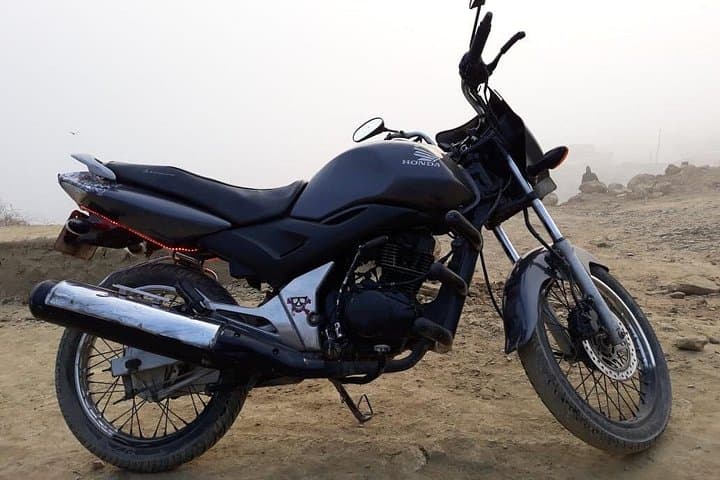
Practical guide: ride in the morning to avoid afternoon monsoon squalls; carry a windproof layer and waterproof shell; confirm whether you’ll ride pillion or solo (the tour provides private motorcycle transfer and an English-speaking rider-guide). Fuel and phone coverage are intermittent—top off in larger towns. Helmets are provided on guided trips, but bring your own if you prefer a snug fit. The route is accessible to riders of basic experience and to passengers seeking an easy, scenic escape from Kathmandu.
No—this tour suits pillion passengers and riders with basic motorcycle experience; guides handle navigation and safety.
Yes, hotel pickup and drop-off are included as part of the private motorcycle transfer.
The basic tour includes transfers and guide service; bring snacks or confirm any meal options with the operator ahead of time.
This activity is not recommended for pregnant travelers due to road conditions and riding exposure.
Arpan Nepal operates guided outdoor trips and adventures with an emphasis on safety, stewardship, and memorable experiences.
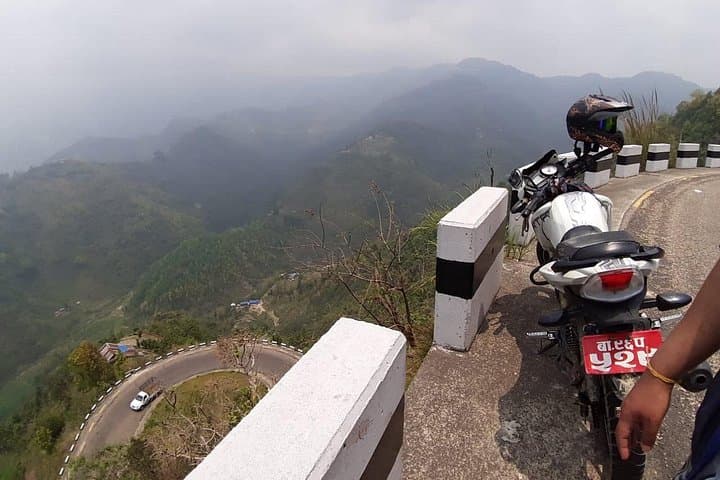
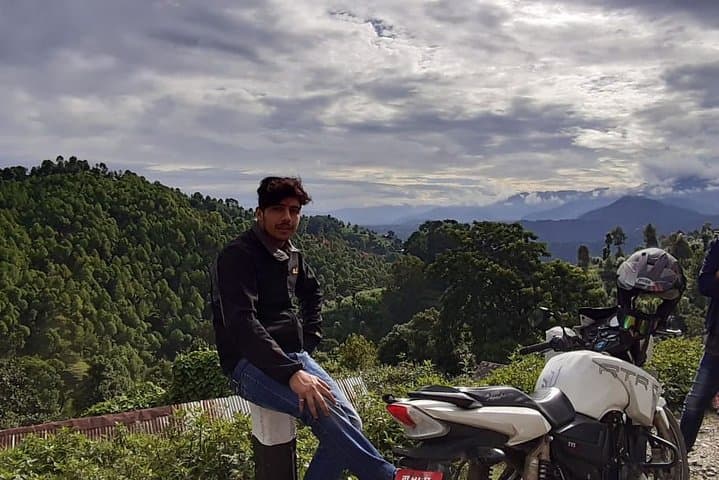
Morning light strips across Kathmandu’s outskirts as you peel away from the city, engine low and road climbing. The ride toward Kulekhani quickly trades concrete for terraced fields and winding two-lane roads that shoulder small rivers; the reservoir appears like a quiet bowl cut into the hills, its surface daring you to slow down and look.
Morning light strips across Kathmandu’s outskirts as you peel away from the city, engine low and road climbing. The ride toward Kulekhani quickly trades concrete for terraced fields and winding two-lane roads that shoulder small rivers; the reservoir appears like a quiet bowl cut into the hills, its surface daring you to slow down and look.
Kulekhani’s dam and Indrasarovar were built in the mid-20th century to harness the local rivers for hydroelectric power; geology here is folded hill country—steep ridgelines, soft sedimentary soils and narrow river valleys carved by monsoon torrents. Villages en route host small hill shrines and an ancient Hindu temple on the riverbank, a compact cultural stop that offers incense-scented air and local stonework.
Expect a mostly paved, occasionally rough route of 50–70 km each way from central Kathmandu, with short gravel detours and twisty climbs. The lake sits around 1,300–1,400 m elevation, so temperature shifts are noticeable between valley and ridge. Photography stops at the dam spillway, temple, and roadside viewpoints give clean compositions—water, hills, and the highway threading through.
Practical guide: ride in the morning to avoid afternoon monsoon squalls; carry a windproof layer and waterproof shell; confirm whether you’ll ride pillion or solo (the tour provides private motorcycle transfer and an English-speaking rider-guide). Fuel and phone coverage are intermittent—top off in larger towns. Helmets are provided on guided trips, but bring your own if you prefer a snug fit. The route is accessible to riders of basic experience and to passengers seeking an easy, scenic escape from Kathmandu.