THE ADVENTURE COLLECTIVE® · Independent discovery and booking for outdoor travel

A comfortable 10-hour scenic transfer that threads Chile’s Lake Llanquihue to Argentine Bariloche, stopping in Frutillar, Puerto Octay and Villa La Angostura. Expect volcano vistas, German-style towns and a border crossing—ideal for travelers who want transport and scenery in one.
A comfortable 10-hour scenic transfer that threads Chile’s Lake Llanquihue to Argentine Bariloche, stopping in Frutillar, Puerto Octay and Villa La Angostura. Expect volcano vistas, German-style towns and a border crossing—ideal for travelers who want transport and scenery in one.
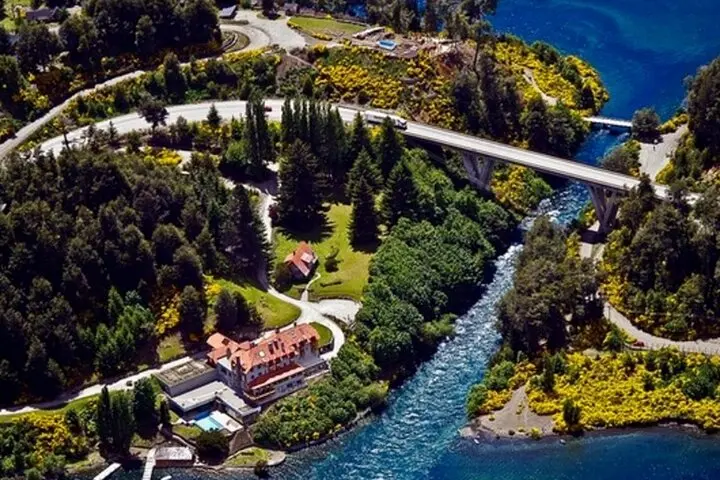
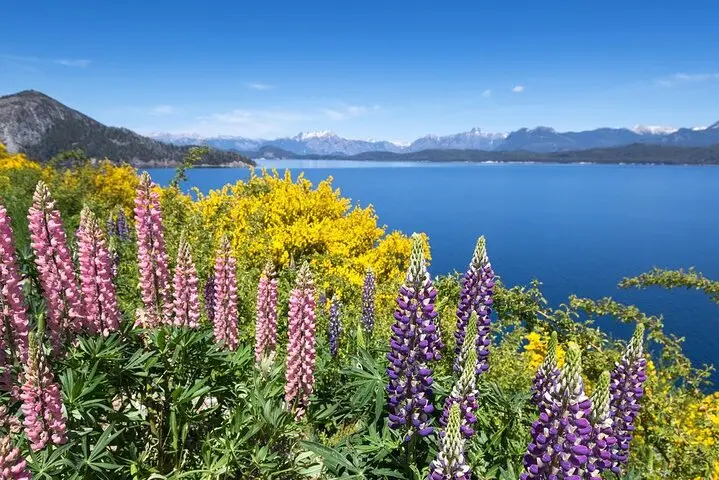
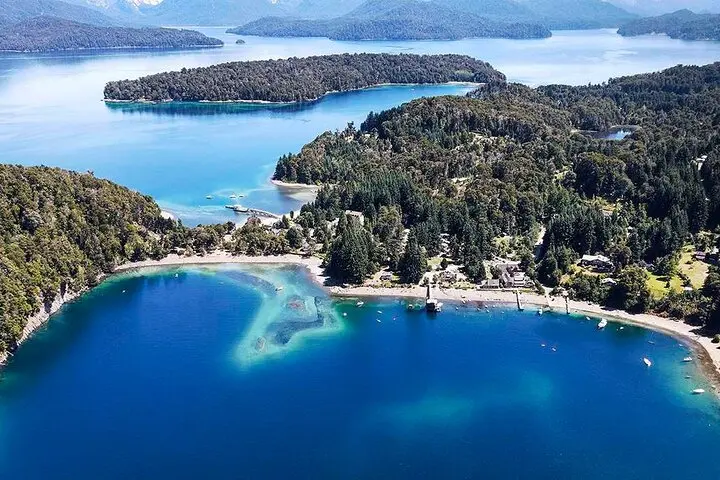
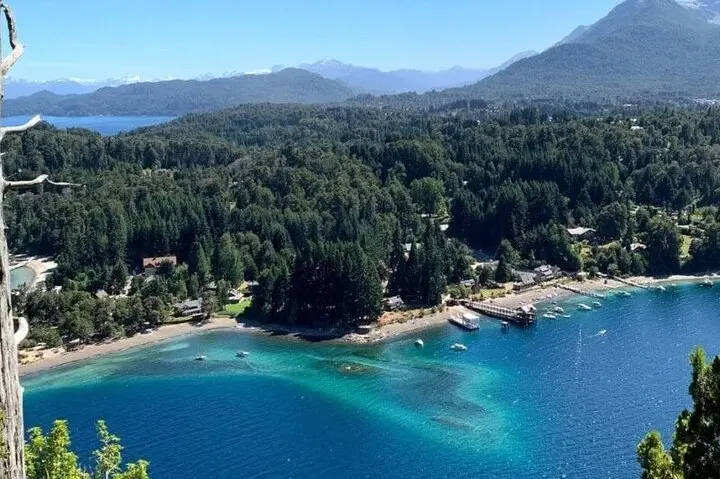
The road unwinds along Lake Llanquihue and the Andes rises like a folded map — Osorno and Calbuco stand watch as the bus slides past volcanic-sand beaches and green meadows. Travelers settle into cushioned seats while the water dares you to stare; small towns appear and recede like chapters: Puerto Varas’ rose-lined streets give way to Frutillar’s wooden facades, then to Puerto Octay’s historic docks, before crossing the border into the alpine light of Villa La Angostura and finally San Carlos de Bariloche.
Verified experiences and guided adventures in the surrounding area.
Operated by VisitChile CL · Puerto Varas, Los Lagos
The road unwinds along Lake Llanquihue and the Andes rises like a folded map — Osorno and Calbuco stand watch as the bus slides past volcanic-sand beaches and green meadows. Travelers settle into cushioned seats while the water dares you to stare; small towns appear and recede like chapters: Puerto Varas’ rose-lined streets give way to Frutillar’s wooden facades, then to Puerto Octay’s historic docks, before crossing the border into the alpine light of Villa La Angostura and finally San Carlos de Bariloche.
This route threads Chile’s German-settled lakeshore into Argentine Patagonia. Geologically, you’re skirting a chain of glacially carved basins and Quaternary volcanoes whose lava and ash shaped the lakes. Culturally, the area blends Mapuche heritage with 19th-century German immigration — timber houses, chocolate shops and lacustrine traditions mark the journey.
Expect panoramic lake views, short guided stops for photos and brief walks in towns with alpine architecture. The border crossing requires passports and customs time; bring printed or mobile tickets and any necessary visas. Weather shifts fast near the lake and mountains: sun can turn to wind-driven rain in an hour. Hydrate, stretch on longer stops, and keep local currency handy for snacks or museum admissions.
Practical rhythm: plan for about 10 hours door-to-door, with restroom-friendly breaks and portions of seated travel. For photographers and day-trippers this transfer is both transport and a slow scenic excursion — efficient, comfortable, and an understated way to move from Chile’s lake district into the high, chocolate-scented air of Bariloche.
Yes — you must carry a valid passport for the Chile–Argentina border crossing; ensure any required visas are in order.
Yes — the itinerary includes scheduled 15–30 minute stops at towns along the way for restrooms, refreshments and short walks.
Standard coach luggage is accepted; check the operator’s size and weight limits when booking and label luggage clearly.
Carry Chilean pesos for purchases before crossing and Argentine pesos for stops after the border; major towns may accept cards but small vendors often prefer cash.
VisitChile CL operates guided outdoor trips and adventures with an emphasis on safety, stewardship, and memorable experiences.
The road unwinds along Lake Llanquihue and the Andes rises like a folded map — Osorno and Calbuco stand watch as the bus slides past volcanic-sand beaches and green meadows. Travelers settle into cushioned seats while the water dares you to stare; small towns appear and recede like chapters: Puerto Varas’ rose-lined streets give way to Frutillar’s wooden facades, then to Puerto Octay’s historic docks, before crossing the border into the alpine light of Villa La Angostura and finally San Carlos de Bariloche.
The road unwinds along Lake Llanquihue and the Andes rises like a folded map — Osorno and Calbuco stand watch as the bus slides past volcanic-sand beaches and green meadows. Travelers settle into cushioned seats while the water dares you to stare; small towns appear and recede like chapters: Puerto Varas’ rose-lined streets give way to Frutillar’s wooden facades, then to Puerto Octay’s historic docks, before crossing the border into the alpine light of Villa La Angostura and finally San Carlos de Bariloche.
This route threads Chile’s German-settled lakeshore into Argentine Patagonia. Geologically, you’re skirting a chain of glacially carved basins and Quaternary volcanoes whose lava and ash shaped the lakes. Culturally, the area blends Mapuche heritage with 19th-century German immigration — timber houses, chocolate shops and lacustrine traditions mark the journey.
Expect panoramic lake views, short guided stops for photos and brief walks in towns with alpine architecture. The border crossing requires passports and customs time; bring printed or mobile tickets and any necessary visas. Weather shifts fast near the lake and mountains: sun can turn to wind-driven rain in an hour. Hydrate, stretch on longer stops, and keep local currency handy for snacks or museum admissions.
Practical rhythm: plan for about 10 hours door-to-door, with restroom-friendly breaks and portions of seated travel. For photographers and day-trippers this transfer is both transport and a slow scenic excursion — efficient, comfortable, and an understated way to move from Chile’s lake district into the high, chocolate-scented air of Bariloche.