THE ADVENTURE COLLECTIVE® · Independent discovery and booking for outdoor travel

An eight-day loop from Budapest through Maramures, Bucovina and Transylvania that combines UNESCO monasteries, royal castles and the Transfagarasan high road. Expect long scenic transfers, short on-foot explorations, and culturally rich stops in compact medieval towns.
An eight-day loop from Budapest through Maramures, Bucovina and Transylvania that combines UNESCO monasteries, royal castles and the Transfagarasan high road. Expect long scenic transfers, short on-foot explorations, and culturally rich stops in compact medieval towns.
Morning light over the Eastern Carpathians feels like a long wake-up call: roads fold and rise, villages keep their wooden roofs, and a minibus hums toward the next fortress.
Verified experiences and guided adventures in the surrounding area.
Operated by Get a Cluj Tour · Budapest, Budapest
Morning light over the Eastern Carpathians feels like a long wake-up call: roads fold and rise, villages keep their wooden roofs, and a minibus hums toward the next fortress.
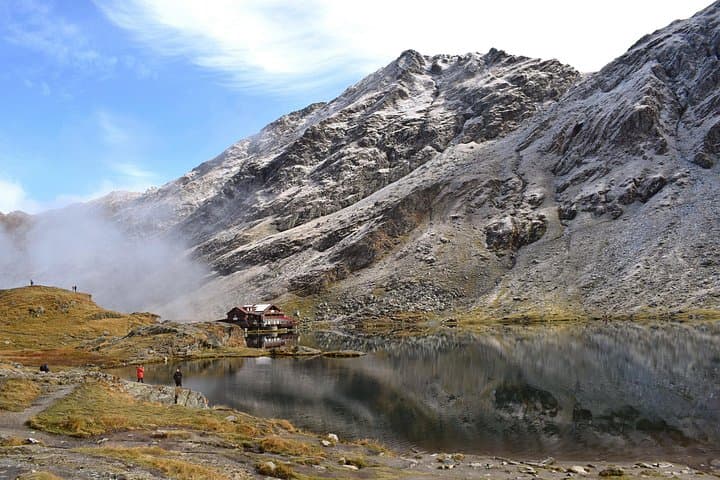
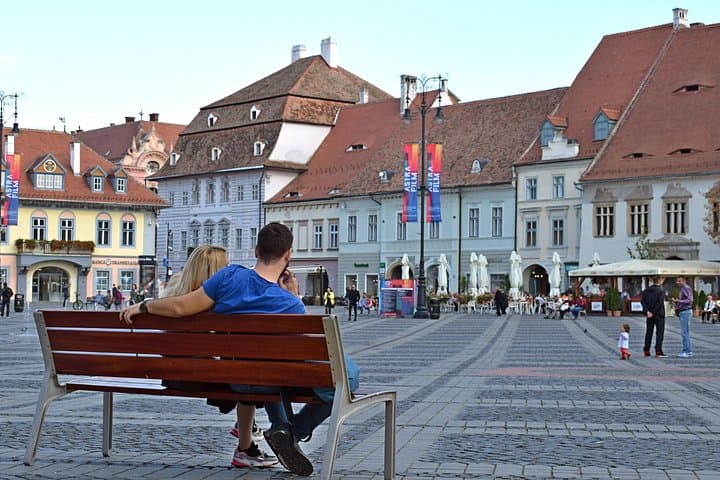
This eight-day route moves from Budapest into the heart of Romania — Maramures’ carved crosses, Bucovina’s painted monasteries, Transylvania’s fortified towns and the high passes of the Transfagarasan. The trip threads through geology and history: uplifted Carpathian ridges shaped by ancient tectonics, river valleys that funneled trade and armies, and a patchwork of Romanian, Saxon and Hungarian cultural layers visible in church timbers, castellated walls and folk costume.
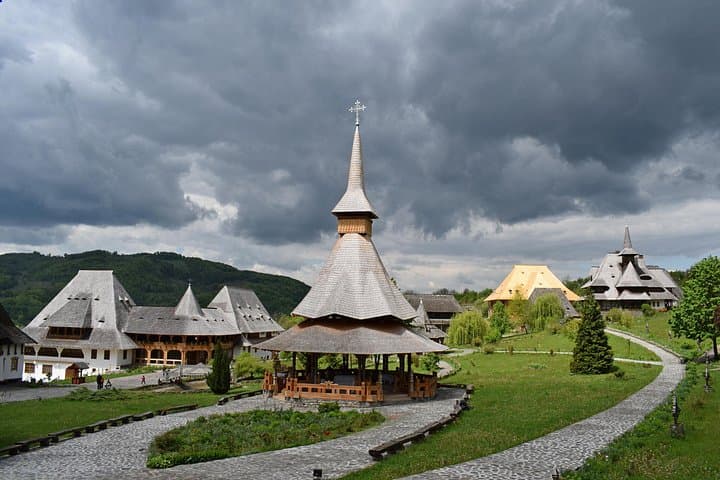
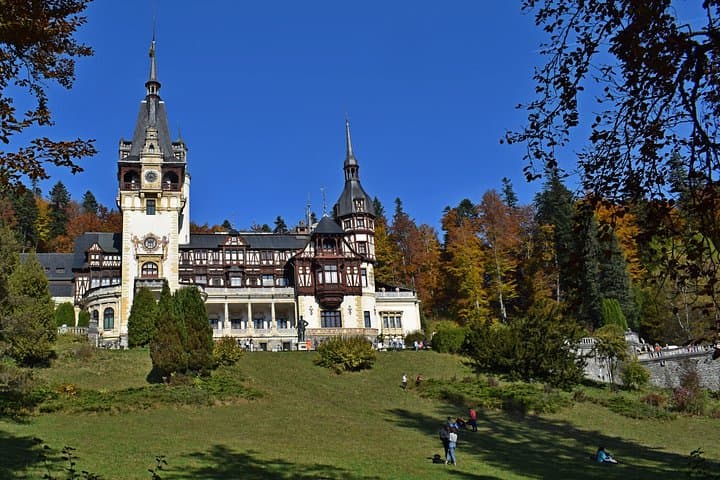
Along the way travelers encounter UNESCO-listed wooden churches in Desesti and Voronet’s famed “blue,” Peles’ royal interiors, and Corvin Castle’s Gothic profile. Villages like Breb and Viscri keep traditional crafts and slow-paced life alive; local guides point out details — joinery marks in a bell tower, or fresco pigments that survived centuries of weather.
Practicalities matter: expect long drives (several 3–5 hour transfers), short guided walks at most sites, and hotel stays in 3-star accommodations. The Transfagarasan pass opens only in summer; bring layered clothing for mountain microclimates, sturdy walking shoes for cobbles and uneven churchyards, and carry local currency for small purchases.
Timing mornings for major sites reduces crowds; keep a photocopy of passport and an EU health card if applicable. This itinerary mixes cultural depth with sweeping, sometimes rugged landscapes — a journey designed to inform as much as it delights.
EU citizens can travel visa-free; non-EU travelers should check Romanian visa requirements based on nationality and ensure passports are valid for the trip.
The Transfagarasan is usually open June–September; if closed by snow the itinerary visits alternate sites such as Prejmer Fortified Church.
Sightseeing includes short, mostly easy walks around towns, castles and monasteries; no technical hiking is required but expect uneven surfaces and stairs.
Breakfasts and the entry tickets listed in the itinerary are included; confirm specifics at booking for any optional excursions.
Get a Cluj Tour operates guided outdoor trips and adventures with an emphasis on safety, stewardship, and memorable experiences.
Morning light over the Eastern Carpathians feels like a long wake-up call: roads fold and rise, villages keep their wooden roofs, and a minibus hums toward the next fortress.
Morning light over the Eastern Carpathians feels like a long wake-up call: roads fold and rise, villages keep their wooden roofs, and a minibus hums toward the next fortress.
This eight-day route moves from Budapest into the heart of Romania — Maramures’ carved crosses, Bucovina’s painted monasteries, Transylvania’s fortified towns and the high passes of the Transfagarasan. The trip threads through geology and history: uplifted Carpathian ridges shaped by ancient tectonics, river valleys that funneled trade and armies, and a patchwork of Romanian, Saxon and Hungarian cultural layers visible in church timbers, castellated walls and folk costume.
Along the way travelers encounter UNESCO-listed wooden churches in Desesti and Voronet’s famed “blue,” Peles’ royal interiors, and Corvin Castle’s Gothic profile. Villages like Breb and Viscri keep traditional crafts and slow-paced life alive; local guides point out details — joinery marks in a bell tower, or fresco pigments that survived centuries of weather.
Practicalities matter: expect long drives (several 3–5 hour transfers), short guided walks at most sites, and hotel stays in 3-star accommodations. The Transfagarasan pass opens only in summer; bring layered clothing for mountain microclimates, sturdy walking shoes for cobbles and uneven churchyards, and carry local currency for small purchases.
Timing mornings for major sites reduces crowds; keep a photocopy of passport and an EU health card if applicable. This itinerary mixes cultural depth with sweeping, sometimes rugged landscapes — a journey designed to inform as much as it delights.