THE ADVENTURE COLLECTIVE® · Independent discovery and booking for outdoor travel

Set sail from Salvador for an eight‑hour schooner cruise through Baía de Todos os Santos. Visit Ilha dos Frades for snorkeling in clear water and relax on Itaparica with an optional lunch of Bahian specialties.
Set sail from Salvador for an eight‑hour schooner cruise through Baía de Todos os Santos. Visit Ilha dos Frades for snorkeling in clear water and relax on Itaparica with an optional lunch of Bahian specialties.
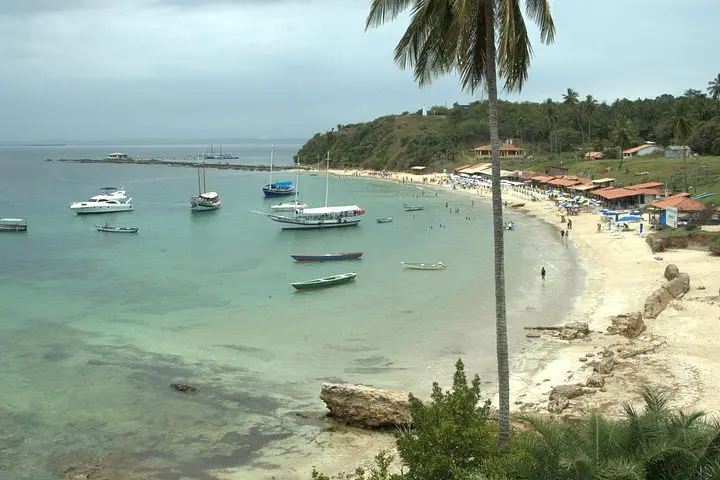
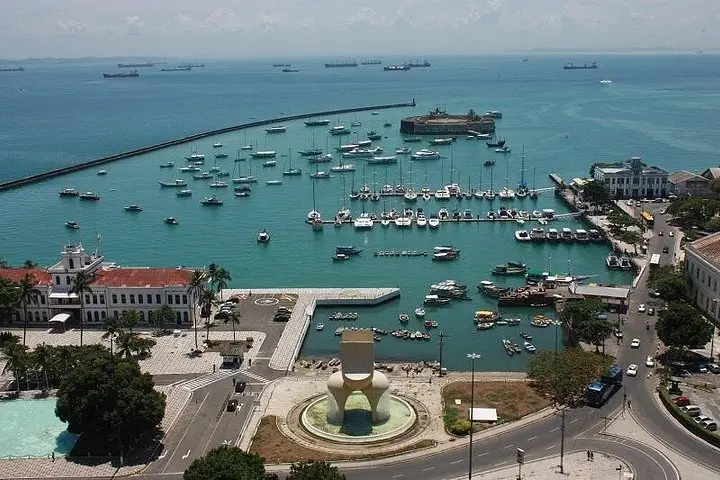
The schooner slips away from Salvador’s harbor with the city’s red-tiled roofs and the squat silhouette of Forte de São Marcelo shrinking behind you. Salt air threads through the rigging, the deck hums with easy conversation, and the bay ahead widens into a palette of turquoise and emerald. On a clear morning the water is translucent enough to read the shapes of reefs and schools of fish; on the horizon, two islands—Ilha dos Frades and Itaparica—announce themselves as stops for swimming, snorkeling and a slow Bahian afternoon.
Verified experiences and guided adventures in the surrounding area.
Operated by Tangol · Salvador, Bahia
The schooner slips away from Salvador’s harbor with the city’s red-tiled roofs and the squat silhouette of Forte de São Marcelo shrinking behind you. Salt air threads through the rigging, the deck hums with easy conversation, and the bay ahead widens into a palette of turquoise and emerald. On a clear morning the water is translucent enough to read the shapes of reefs and schools of fish; on the horizon, two islands—Ilha dos Frades and Itaparica—announce themselves as stops for swimming, snorkeling and a slow Bahian afternoon.
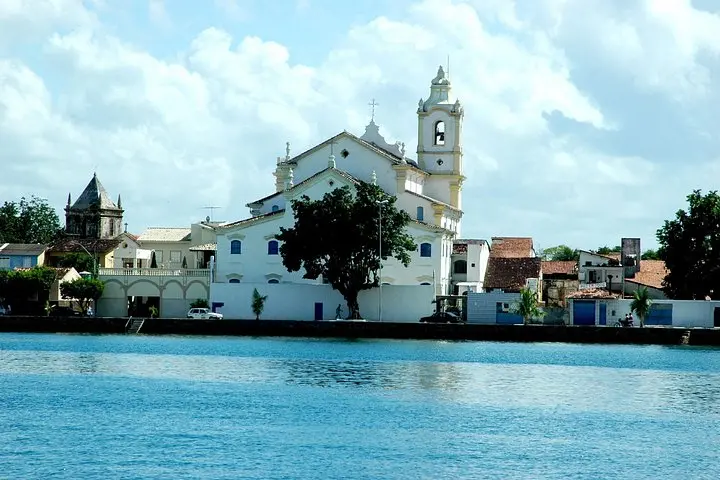
Baía de Todos os Santos is Brazil’s largest bay, a marine basin shaped by tectonics and a long history of human use. The waterways you cross were central to colonial trade and defense—hence the scattered forts—and the islands still carry traces of plantation-era roads and small fishing communities. The peninsula of Itapagipe and the steps leading to Bonfim Church are visible from the route, offering a portrait of Salvador’s upper and lower cities before you step ashore to feel warm sand underfoot.
The itinerary is deliberately simple: scenic sailing with two scheduled stops. The first, Frades, is about color—crystal water, coral edges and a natural invitation to swim or snorkel. Guides helm the boat and point out shallow reefs where reef fish dart like sparks. Later the schooner eases into Itaparica, where broader beaches and shallow, warm water make a relaxed setting for an optional lunch of acarajé, grilled fish or moqueca prepared by local vendors.
Practicalities matter here. The trip runs roughly eight hours with hotel pickup included for many Salvador properties; boarding often begins mid-morning. The schooner has a bar and sound system, but marine etiquette is part of the rhythm—reef-safe sunscreen, mindful snorkel behavior and leaving no trace on beaches. Children are welcome but must be accompanied by an adult; seas can be calm or choppy depending on wind and tide.
For travelers: bring reef-safe sunscreen, a snorkel or rent one, a towel and a light cover-up for the sail back when breeze sharpens. If you want local flavors, carry small bills—the lunch stop is optional and often best enjoyed at a family-run stall. Morning light makes the clearest water for snorkeling, while late-afternoon returns deliver soft, cinematic views of Salvador’s shoreline.
This schooner ride is not an adrenaline rush so much as an island-day primer—a way to read the bay’s geography, taste Bahian food and swim where the water asks you to linger. It’s ideal for travelers who want a single-day escape from the city with a balance of guided comfort and room to explore.
Lunch is optional—there’s a scheduled stop on Itaparica where you can buy Bahian dishes from local vendors; bring cash for purchases.
Basic swimming ability is recommended for snorkeling or beach swims, though shallow water areas are suitable for non‑swimmers with a flotation aid.
Some operators rent snorkel gear onboard; towels may not be provided—check reconfirmation details and bring your own for best comfort.
The tour’s cancellation policy allows full refunds if canceled 24 hours in advance; operators may alter the itinerary for safety if conditions deteriorate.
Yes—children are permitted but must be accompanied by an adult; life jackets are typically available for younger guests.
Shared tours can host up to about 20 passengers, offering a social atmosphere without being overcrowded.
Tangol operates guided outdoor trips and adventures with an emphasis on safety, stewardship, and memorable experiences.
The schooner slips away from Salvador’s harbor with the city’s red-tiled roofs and the squat silhouette of Forte de São Marcelo shrinking behind you. Salt air threads through the rigging, the deck hums with easy conversation, and the bay ahead widens into a palette of turquoise and emerald. On a clear morning the water is translucent enough to read the shapes of reefs and schools of fish; on the horizon, two islands—Ilha dos Frades and Itaparica—announce themselves as stops for swimming, snorkeling and a slow Bahian afternoon.
The schooner slips away from Salvador’s harbor with the city’s red-tiled roofs and the squat silhouette of Forte de São Marcelo shrinking behind you. Salt air threads through the rigging, the deck hums with easy conversation, and the bay ahead widens into a palette of turquoise and emerald. On a clear morning the water is translucent enough to read the shapes of reefs and schools of fish; on the horizon, two islands—Ilha dos Frades and Itaparica—announce themselves as stops for swimming, snorkeling and a slow Bahian afternoon.
Baía de Todos os Santos is Brazil’s largest bay, a marine basin shaped by tectonics and a long history of human use. The waterways you cross were central to colonial trade and defense—hence the scattered forts—and the islands still carry traces of plantation-era roads and small fishing communities. The peninsula of Itapagipe and the steps leading to Bonfim Church are visible from the route, offering a portrait of Salvador’s upper and lower cities before you step ashore to feel warm sand underfoot.
The itinerary is deliberately simple: scenic sailing with two scheduled stops. The first, Frades, is about color—crystal water, coral edges and a natural invitation to swim or snorkel. Guides helm the boat and point out shallow reefs where reef fish dart like sparks. Later the schooner eases into Itaparica, where broader beaches and shallow, warm water make a relaxed setting for an optional lunch of acarajé, grilled fish or moqueca prepared by local vendors.
Practicalities matter here. The trip runs roughly eight hours with hotel pickup included for many Salvador properties; boarding often begins mid-morning. The schooner has a bar and sound system, but marine etiquette is part of the rhythm—reef-safe sunscreen, mindful snorkel behavior and leaving no trace on beaches. Children are welcome but must be accompanied by an adult; seas can be calm or choppy depending on wind and tide.
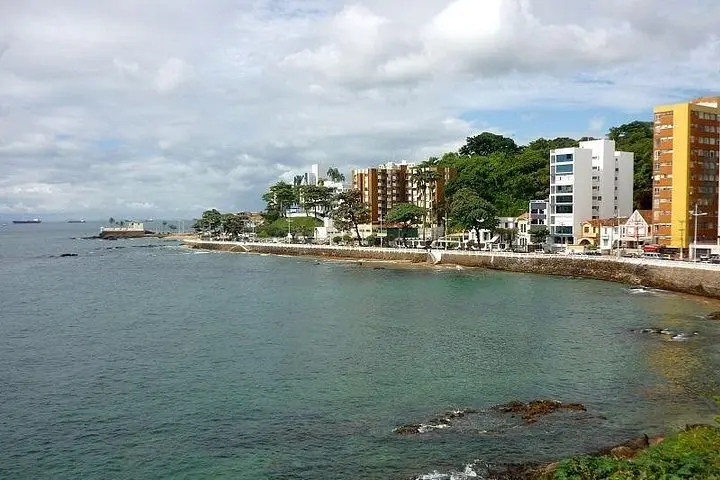
For travelers: bring reef-safe sunscreen, a snorkel or rent one, a towel and a light cover-up for the sail back when breeze sharpens. If you want local flavors, carry small bills—the lunch stop is optional and often best enjoyed at a family-run stall. Morning light makes the clearest water for snorkeling, while late-afternoon returns deliver soft, cinematic views of Salvador’s shoreline.
This schooner ride is not an adrenaline rush so much as an island-day primer—a way to read the bay’s geography, taste Bahian food and swim where the water asks you to linger. It’s ideal for travelers who want a single-day escape from the city with a balance of guided comfort and room to explore.