THE ADVENTURE COLLECTIVE® · Independent discovery and booking for outdoor travel

Board a small vessel from Sesimbra with a marine biologist to search for dolphins, identify seabirds and take part in a mini conservation survey. Snorkeling in the Professor Luiz Saldanha Marine Park may be possible when weather permits.
Board a small vessel from Sesimbra with a marine biologist to search for dolphins, identify seabirds and take part in a mini conservation survey. Snorkeling in the Professor Luiz Saldanha Marine Park may be possible when weather permits.
The boat eases away from Sesimbra’s harbor and the sea opens like a chapter waiting to be read — currents nudging the hull, gulls circling as if following the story. Participants gather around a marine biologist who points to the water, teaching how to spot dorsal fins, read seabird behavior and interpret floating debris as clues to the ecosystem’s health.
Verified experiences and guided adventures in the surrounding area.
Operated by Blue Front · Sesimbra, Setúbal District
The boat eases away from Sesimbra’s harbor and the sea opens like a chapter waiting to be read — currents nudging the hull, gulls circling as if following the story. Participants gather around a marine biologist who points to the water, teaching how to spot dorsal fins, read seabird behavior and interpret floating debris as clues to the ecosystem’s health.
This stretch of coast sits beneath the Arrábida hills and fronts the Professor Luiz Saldanha Marine Park, a protected zone recognized for its rocky reefs, clear coves and rich fish communities. The geology of limestone headlands and submerged rock gardens shapes where life concentrates, while local fishing heritage and maritime research have long guided conservation efforts here.
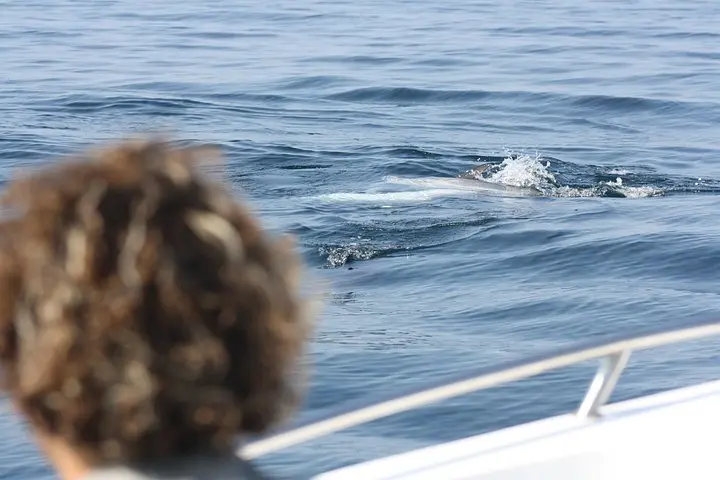
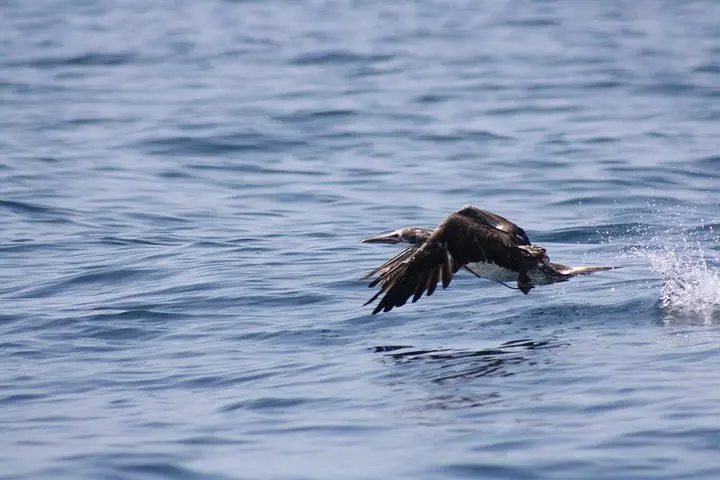
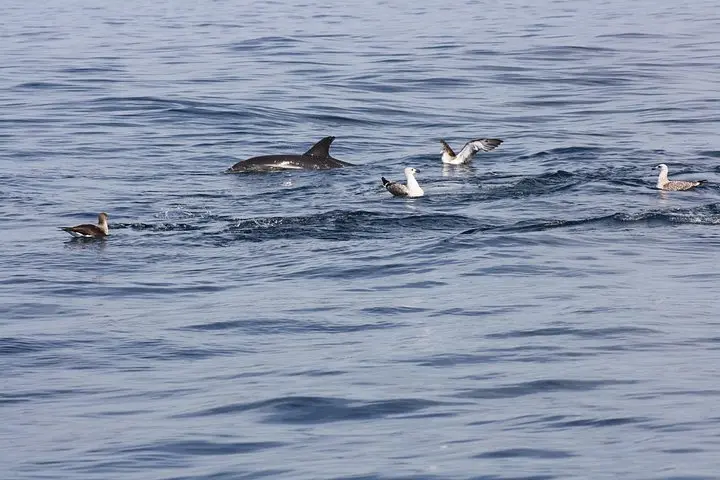
The guided script blends identification — common and bottlenose dolphins, shearwaters, and small reef fish — with hands-on science: simple waste-sorting, data recording and safe snorkeling when conditions allow. Nature in these waters is active, sometimes shy, sometimes curious; the operator emphasizes quiet observation and no-feeding protocols.
Practical note: the tour runs about three hours, small shared groups (up to seven), and is accessible for most fitness levels. Bring reef-safe sunscreen, a windproof layer and a reusable water bottle; expect a mix of sun and spray. Morning outings usually offer calmer seas and better light for spotting wildlife, while mid-summer brings warm water for snorkeling. The experience suits families, school groups and travelers who want to participate as citizen scientists rather than just sightseers.
No — sightings are common but not guaranteed; guides increase chances by choosing productive areas and using trained observation techniques.
Snorkeling is offered when weather and sea conditions allow; the guide will confirm during boarding and provide safety instructions and vests.
The activity is family‑friendly and wheelchair accessible for boarding depending on vessel setup; check with the operator about specific mobility needs before booking.
Tours may be canceled for safety; the operator typically offers a full refund if canceled at least 24 hours prior or due to weather on the day.
Blue Front operates guided outdoor trips and adventures with an emphasis on safety, stewardship, and memorable experiences.
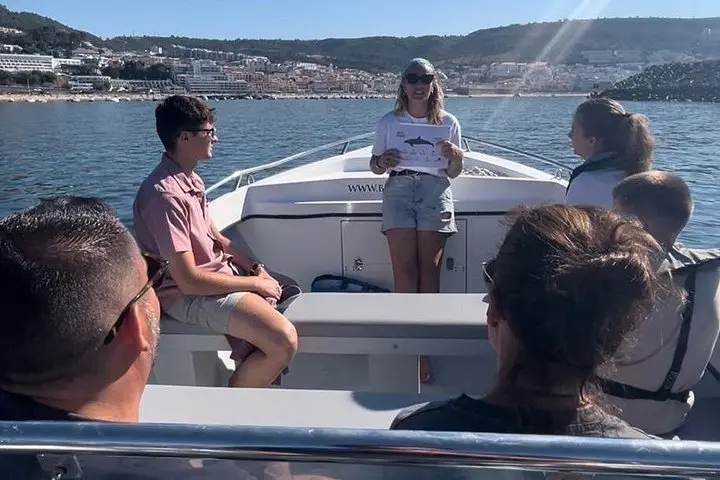
The boat eases away from Sesimbra’s harbor and the sea opens like a chapter waiting to be read — currents nudging the hull, gulls circling as if following the story. Participants gather around a marine biologist who points to the water, teaching how to spot dorsal fins, read seabird behavior and interpret floating debris as clues to the ecosystem’s health.
The boat eases away from Sesimbra’s harbor and the sea opens like a chapter waiting to be read — currents nudging the hull, gulls circling as if following the story. Participants gather around a marine biologist who points to the water, teaching how to spot dorsal fins, read seabird behavior and interpret floating debris as clues to the ecosystem’s health.
This stretch of coast sits beneath the Arrábida hills and fronts the Professor Luiz Saldanha Marine Park, a protected zone recognized for its rocky reefs, clear coves and rich fish communities. The geology of limestone headlands and submerged rock gardens shapes where life concentrates, while local fishing heritage and maritime research have long guided conservation efforts here.
The guided script blends identification — common and bottlenose dolphins, shearwaters, and small reef fish — with hands-on science: simple waste-sorting, data recording and safe snorkeling when conditions allow. Nature in these waters is active, sometimes shy, sometimes curious; the operator emphasizes quiet observation and no-feeding protocols.
Practical note: the tour runs about three hours, small shared groups (up to seven), and is accessible for most fitness levels. Bring reef-safe sunscreen, a windproof layer and a reusable water bottle; expect a mix of sun and spray. Morning outings usually offer calmer seas and better light for spotting wildlife, while mid-summer brings warm water for snorkeling. The experience suits families, school groups and travelers who want to participate as citizen scientists rather than just sightseers.