THE ADVENTURE COLLECTIVE® · Independent discovery and booking for outdoor travel

Swap Saigon traffic for a scooter ride into verdant fields and wartime ingenuity. Explore the Cu Chi Tunnels’ layered chambers, learn guerrilla-era survival techniques, and visit a local family on this full-day excursion.
Swap Saigon traffic for a scooter ride into verdant fields and wartime ingenuity. Explore the Cu Chi Tunnels’ layered chambers, learn guerrilla-era survival techniques, and visit a local family on this full-day excursion.
You pull on a helmet, the scooter idles, and the city’s traffic unwinds behind you as thin rice paddies and rubber stands open like pages of a map. The road to Cu Chi slides past stilt houses and small shops; by the time the tunnel site rises—low mounds in scrub and secondary forest—you feel the shift from urban noise to a quieter, deliberate landscape.
Verified experiences and guided adventures in the surrounding area.
Operated by Vietnam Street Food Tour · Ho Chi Minh City, Ho Chi Minh
You pull on a helmet, the scooter idles, and the city’s traffic unwinds behind you as thin rice paddies and rubber stands open like pages of a map. The road to Cu Chi slides past stilt houses and small shops; by the time the tunnel site rises—low mounds in scrub and secondary forest—you feel the shift from urban noise to a quieter, deliberate landscape.
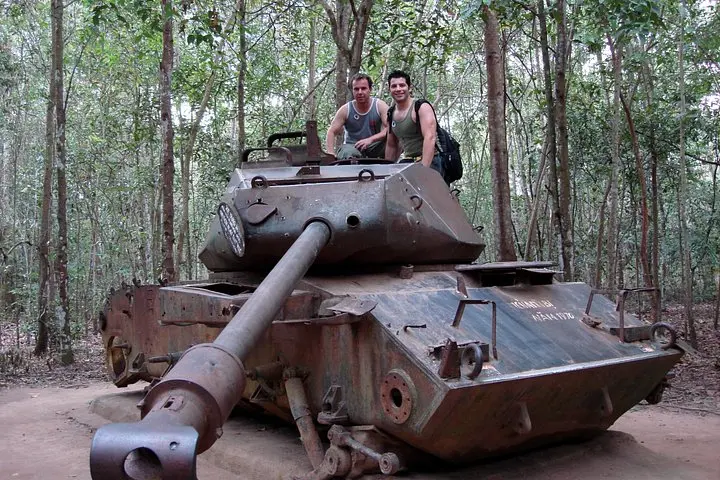
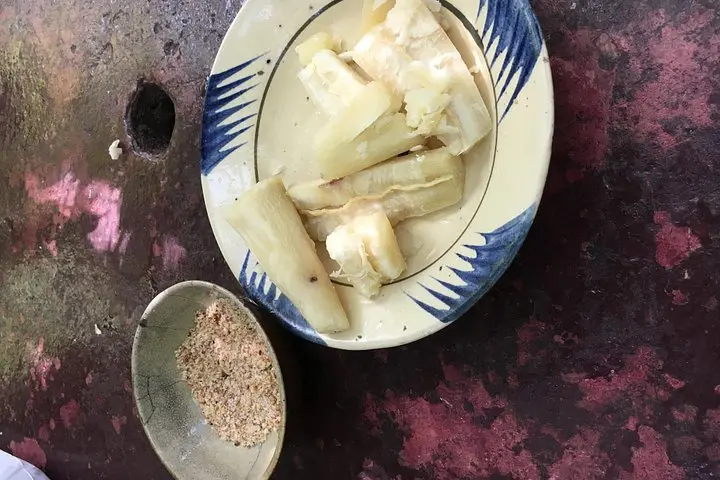
The Cu Chi network was built and expanded over decades by Viet Cong fighters. Carved into lateritic soil and sand, the tunnels were both shelter and city: kitchens, clinic niches, arms caches and hidden meeting rooms. Geology matters here—the soil’s density and water table dictated where shafts could be dug and how chambers were camouflaged. A visit also touches local life: you may stop at a rubber farm or a family home to see how southern Vietnamese rural economy and cuisine intersect with wartime memory.
Practical guidance: expect an active, full day—roughly eight to nine hours including hotel pickup in Ho Chi Minh City. Guides demonstrate the tunnel system and supervise short crawl sections; many tunnels have been widened for visitors but some still require crouching or crawling. Wear closed-toe shoes, long pants and layers to protect against insects and insulated clay dust. Hydrate before the tour and use sunscreen for the open stretches between shaded exhibits.
Respect the site: stay with your guide, avoid smoking or littering near preserved areas, and pace your crawling—claustrophobic or mobility-limited travelers should skip the narrow passages. The scooter approach adds mobility and local color, turning a history tour into an immediate ride through the Vietnamese countryside.
Most operator pickups take 1–1.5 hours each way depending on traffic; plan for around eight to nine hours total for the excursion.
Visitor tunnels at major sites have been stabilized and some widened, but sections still require crouching—follow your guide’s instructions and avoid tight passages if you have health concerns.
Basic scooter riding confidence is recommended since parts of the route use local roads; many tours provide helmets and an escort vehicle for comfort.
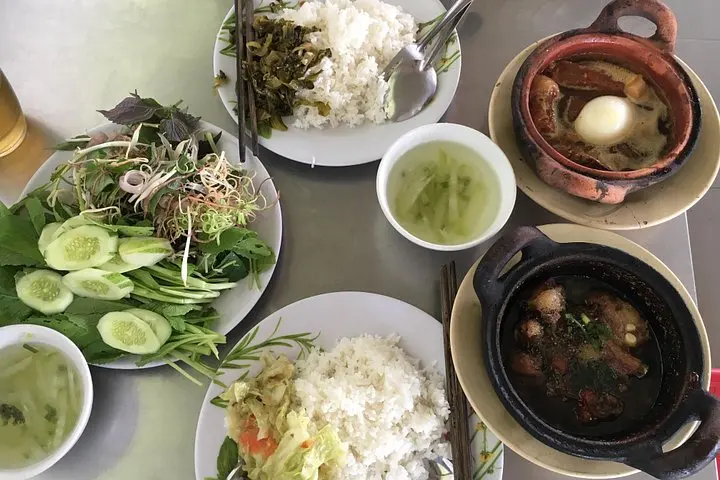
Yes—a family-style southern Vietnamese lunch and drinks are typically included on day-trip excursions to Cu Chi.
Vietnam Street Food Tour operates guided outdoor trips and adventures with an emphasis on safety, stewardship, and memorable experiences.

You pull on a helmet, the scooter idles, and the city’s traffic unwinds behind you as thin rice paddies and rubber stands open like pages of a map. The road to Cu Chi slides past stilt houses and small shops; by the time the tunnel site rises—low mounds in scrub and secondary forest—you feel the shift from urban noise to a quieter, deliberate landscape.
You pull on a helmet, the scooter idles, and the city’s traffic unwinds behind you as thin rice paddies and rubber stands open like pages of a map. The road to Cu Chi slides past stilt houses and small shops; by the time the tunnel site rises—low mounds in scrub and secondary forest—you feel the shift from urban noise to a quieter, deliberate landscape.
The Cu Chi network was built and expanded over decades by Viet Cong fighters. Carved into lateritic soil and sand, the tunnels were both shelter and city: kitchens, clinic niches, arms caches and hidden meeting rooms. Geology matters here—the soil’s density and water table dictated where shafts could be dug and how chambers were camouflaged. A visit also touches local life: you may stop at a rubber farm or a family home to see how southern Vietnamese rural economy and cuisine intersect with wartime memory.
Practical guidance: expect an active, full day—roughly eight to nine hours including hotel pickup in Ho Chi Minh City. Guides demonstrate the tunnel system and supervise short crawl sections; many tunnels have been widened for visitors but some still require crouching or crawling. Wear closed-toe shoes, long pants and layers to protect against insects and insulated clay dust. Hydrate before the tour and use sunscreen for the open stretches between shaded exhibits.
Respect the site: stay with your guide, avoid smoking or littering near preserved areas, and pace your crawling—claustrophobic or mobility-limited travelers should skip the narrow passages. The scooter approach adds mobility and local color, turning a history tour into an immediate ride through the Vietnamese countryside.