THE ADVENTURE COLLECTIVE® · Independent discovery and booking for outdoor travel

Explore medieval dragons, sirens and painted capitals at MEV, then turn those details into AI-generated creatures in a supervised, hands-on workshop for ages 11–16. This three-hour session blends art history, creative writing and responsible AI practice—perfect for school groups and curious families.
Explore medieval dragons, sirens and painted capitals at MEV, then turn those details into AI-generated creatures in a supervised, hands-on workshop for ages 11–16. This three-hour session blends art history, creative writing and responsible AI practice—perfect for school groups and curious families.
Book with Museu Episcopal de Vic
Verified experiences and guided adventures in the surrounding area.
Operated by Museu Episcopal de Vic · Vic, Catalunya
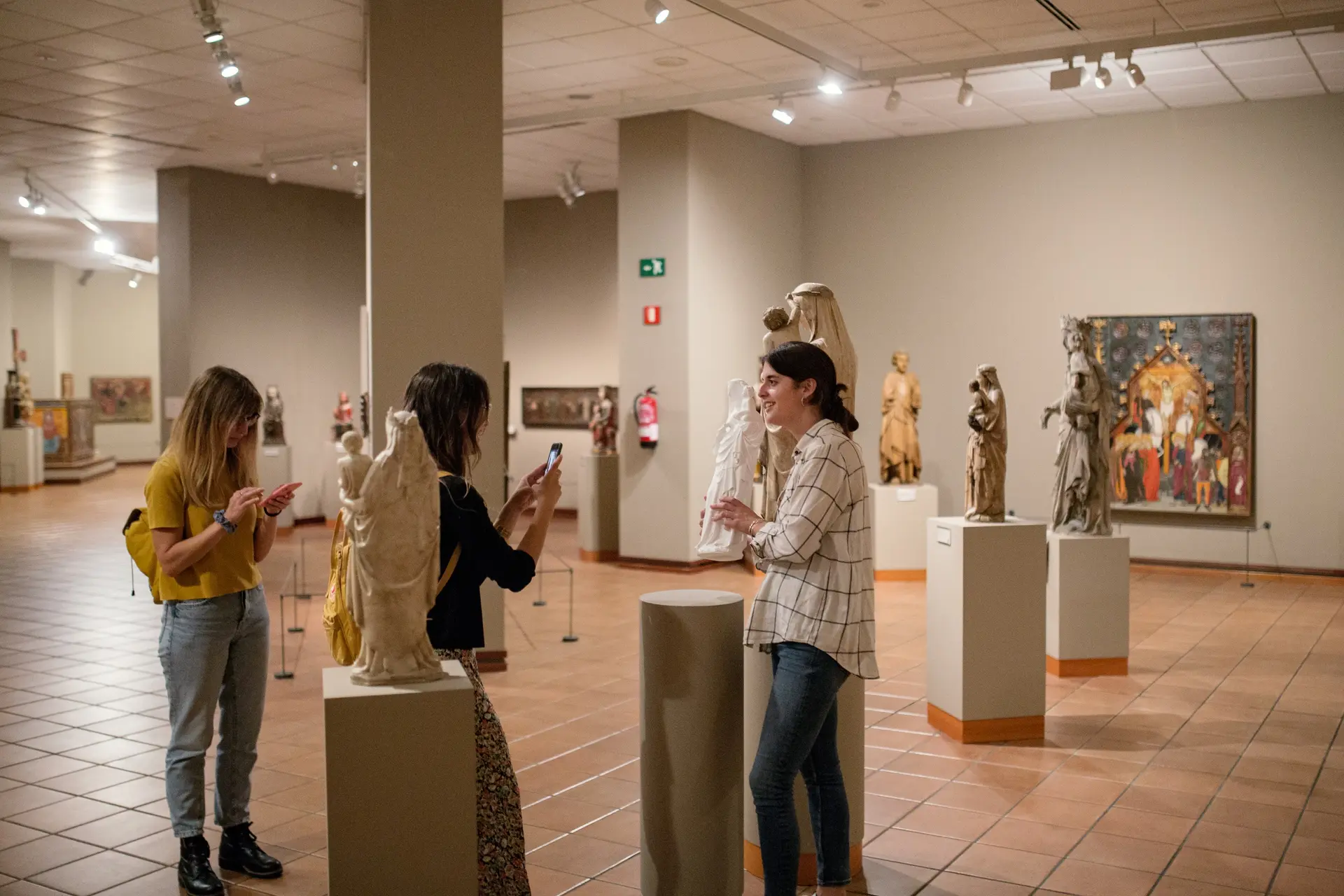
At the Museu Episcopal de Vic (MEV) in Vic, Catalunya, Taller “Scriptorium 2.0” turns a three-hour museum visit into a laboratory for imagination and critical tech use. Designed for ages 11–16, the workshop guides small groups through the museum’s medieval galleries, drawing attention to dragons, sirens, lions and other fantastic beings that inhabit illuminated manuscripts, polychrome sculptures and painted capitals. Participants catalogue the shapes, symbols and stylistic rules medieval artists used, then translate those observations into clear prompts for generative artificial intelligence to produce new creatures that riff on historical models.
The session begins with a focused walkthrough of the collection, led by museum staff who point out compositional patterns—how claws are rendered, the geometry of wings, the color palettes available in tempera and gold leaf—and the narrative roles these creatures played in medieval visual storytelling. Students then move to a workshop room where instructors scaffold prompt-writing: turning formal features into concise instructions, iterating image outputs, and refining visual language. The process teaches art-historical looking, creative writing and basic digital literacy; it balances playful imagination with conversations about copyright, bias and responsible AI use.
What makes this offering special is its marriage of place and tool. The MEV’s collection provides an unusually direct link to the medieval graphic vocabulary, and the workshop leverages that material culture to teach digital-era skills. For families and schools visiting Vic, this is a standout cultural activity because it combines hands-on art study with careful, supervised use of generative technology—an accessible bridge between heritage and contemporary practice.
Practical details: the workshop lasts three hours, accepts ages 11 to 16, and runs as part of the European Meet and Code initiative; groups are capped (the listing notes up to 20 participants). Bring a notebook, charged device if requested, and curiosity; wear comfortable shoes for a short gallery tour. The activity requires no prior coding knowledge, but participants leave with clearer observational habits and a toolkit for crafting better visual prompts.
Facilitators emphasize ethical conversations: how source material is credited, limitations of datasets, and how to avoid stereotyped imagery. Schools often pair the workshop with a hands-on drawing exercise that reinforces observation skills, and participants are encouraged to curate a short portfolio of final AI images and written prompts to discuss with peers. The format works well for both novice digital users and visually inclined teens, and it fits into a half-day cultural itinerary.
The workshop is designed for ages 11–16 and the content and pace are tailored to that range.
No—facilitators introduce prompt-writing and basic concepts; prior technical experience is not required.
The workshop runs about three hours and the listing indicates groups of up to 20 participants.
Participants view and study objects in the galleries under staff supervision, but handling of artifacts is controlled by museum rules.
Yes—the session includes conversations about sourcing, dataset limits, bias and responsible use of generative tools.
Use the provided booking link to view schedules and registration; check the listing for availability and any teacher chaperone requirements.
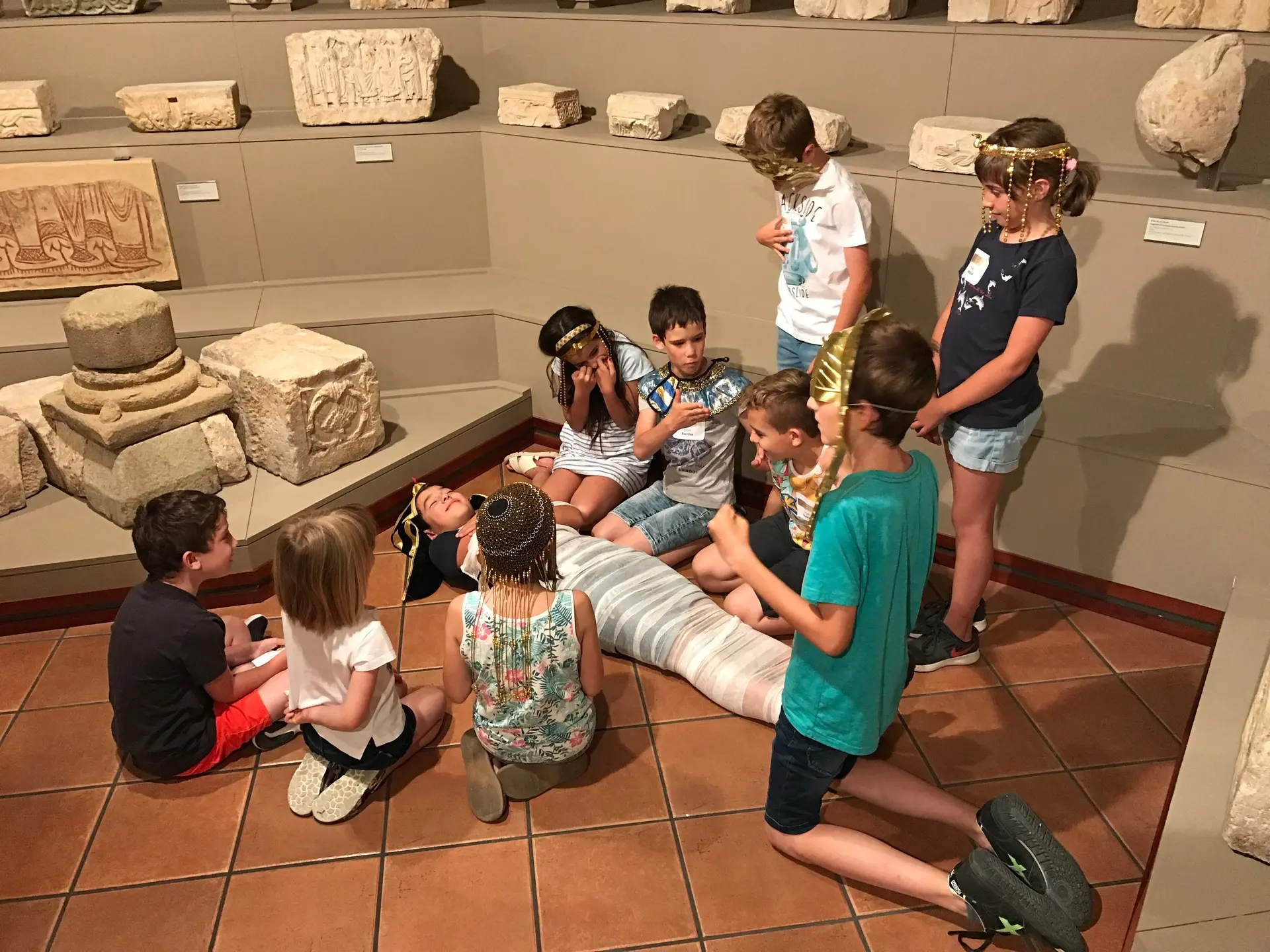
Museu Episcopal de Vic preserves and exhibits one of Catalonia’s most important collections of medieval art, with a particular focus on Romanesque and Gothic painting and decorative arts. Located in Vic, Catalunya, the museum presents altarpieces, retables, sculptures, and religious objects that illustrate medieval artistic techniques and regional identity. The MEV offers a range of visitor options including general admission, guided tours, family-oriented workshops, and an annual membership that provides unlimited access for a year. Exhibitions are displayed alongside interpretive labels and digital resources that help contextualize works of art and make medieval material culture accessible to diverse audiences. Guided experiences include themed tours such as studies of animals in medieval imagery, daily life in the Middle Ages, and masterworks of Catalan art. Family programs use storytelling, observation, and interactive activities to engage children aged 5–12, while specialty sessions explore topics such as ancient Egypt within a museum setting. The museum operates with professional curatorial staff and educational personnel who design programs for schools, families, and adult visitors. Conservation and presentation follow museum standards to preserve fragile works and communicate their historical significance. As a public cultural institution in Vic, the Museu Episcopal de Vic serves both residents and visitors seeking to explore Catalonia’s medieval heritage through original objects, careful interpretation, and hands-on learning opportunities. The Museu Episcopal de Vic integrates innovative digital experiences and multimedia displays that complement physical objects. Information is presented clearly to support research, school visits, tourist exploration, and independent study of medieval art and preservation.

Book with Museu Episcopal de Vic