THE ADVENTURE COLLECTIVE® · Independent discovery and booking for outdoor travel

Board a dayboat from Townsville and drop into one of the world’s premier wreck dives. Explore the S.S. Yongala’s coral‑clad hull, meet schooling pelagics and learn the wreck’s 1911 history while following strict Marine Park protections.
Board a dayboat from Townsville and drop into one of the world’s premier wreck dives. Explore the S.S. Yongala’s coral‑clad hull, meet schooling pelagics and learn the wreck’s 1911 history while following strict Marine Park protections.
The boat eases away from Townsville at first light, the mainland shrinking into a heat-hazed ribbon as the captain points toward a dark silhouette on the map — the S.S. Yongala. By midday the wreck is visible only to experienced eyes beneath a glassy surface; below, coral drapes the plates and ribs of a once‑proud passenger steamer and currents shape the scene like a living hand.
Verified experiences and guided adventures in the surrounding area.
Operated by Adrenalin Snorkel and Dive · Townsville, Queensland
The boat eases away from Townsville at first light, the mainland shrinking into a heat-hazed ribbon as the captain points toward a dark silhouette on the map — the S.S. Yongala. By midday the wreck is visible only to experienced eyes beneath a glassy surface; below, coral drapes the plates and ribs of a once‑proud passenger steamer and currents shape the scene like a living hand.
The Yongala sank in March 1911 during a cyclone; the site now sits within the Great Barrier Reef Marine Park and is protected under the Historic Shipwreck Act. Geologically the wreck sits on a single reef outcrop with bommies, sand channels and coral gardens that attract large pelagics. Local crews often acknowledge Wulgurukaba and Bindal sea country in briefings — the area has long marine traditions tied to these communities.
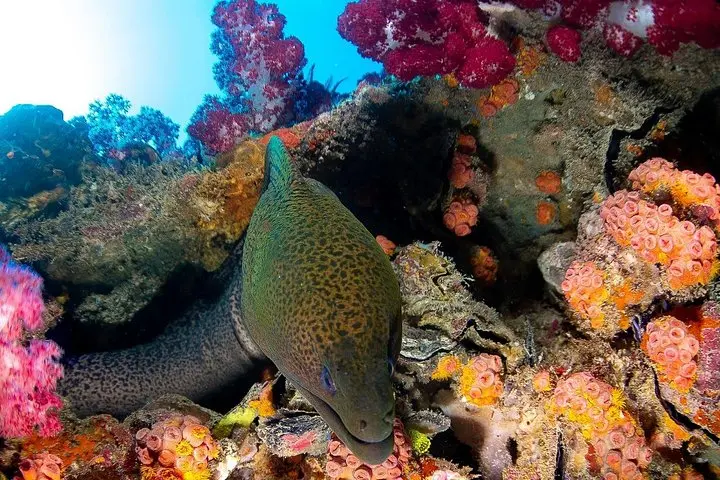
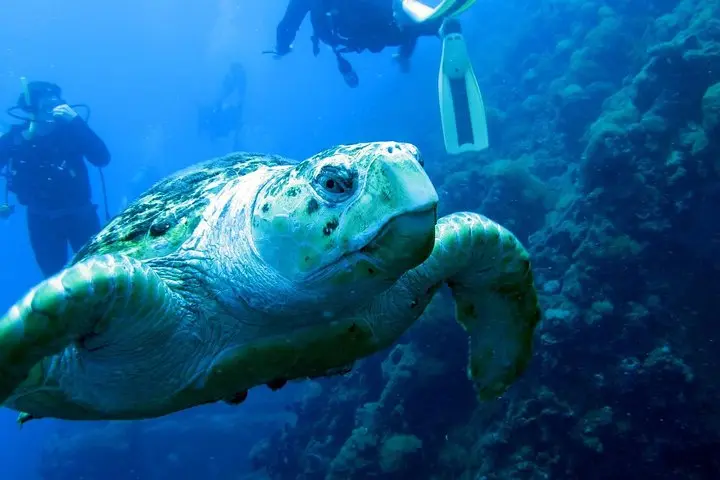
Expect two dives to 15–29 m among schools of trevally, gropers, turtles and, seasonally, manta and humpback whales on migration. Currents here can be lively; they shift and push divers along the hull where overhangs and coral colonies become micro‑habitats. Guides weave history, ecology and safety into briefings so you know what to look for and why the site matters.
Practical note: the day is long — transfers, two certified dives, surface intervals and lunch onboard — so hydrate and bring a dive computer, SMB and layers for the cool morning. Certified divers only (minimum Open Water plus logged dives); less‑experienced divers should budget for a guide. Respect the site: no touching, photograph from a distance, and follow briefings to protect both the wreck and its marine residents.
Yes. Divers must present certification (minimum Open Water) and meet operator logged dive requirements; less experienced divers need a paid guide on site.
The Yongala ranges roughly 15–29 m; dive profiles commonly average 20–25 m depending on the dive plan and currents.
Expect a multi‑hour crossing as part of a full‑day itinerary — plan on boarding early with total outing time around 8–10 hours including two dives and surface intervals.
Common sightings include green turtles, giant trevally, gropers, eagle rays, and seasonal visits from manta rays and migrating humpback whales.
Adrenalin Snorkel and Dive operates guided outdoor trips and adventures with an emphasis on safety, stewardship, and memorable experiences.
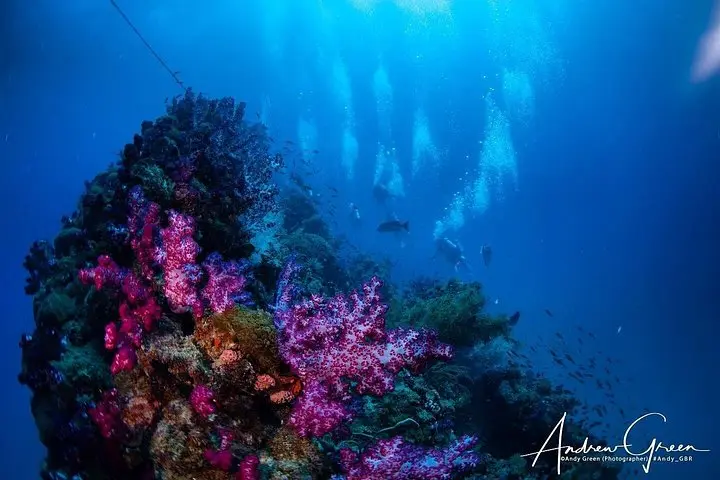
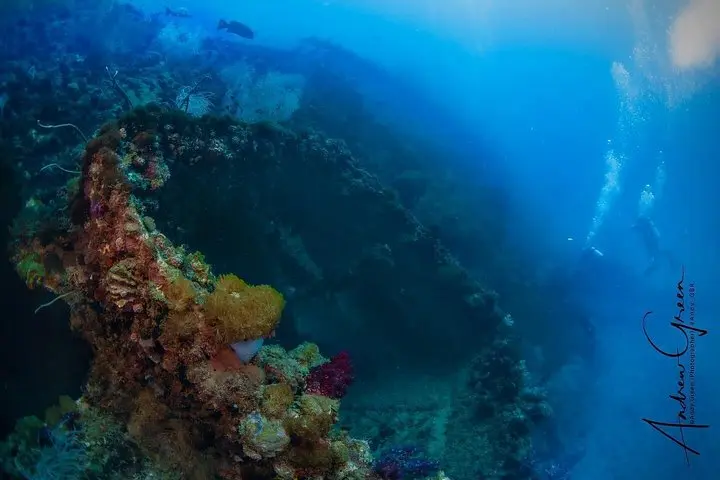
The boat eases away from Townsville at first light, the mainland shrinking into a heat-hazed ribbon as the captain points toward a dark silhouette on the map — the S.S. Yongala. By midday the wreck is visible only to experienced eyes beneath a glassy surface; below, coral drapes the plates and ribs of a once‑proud passenger steamer and currents shape the scene like a living hand.
The boat eases away from Townsville at first light, the mainland shrinking into a heat-hazed ribbon as the captain points toward a dark silhouette on the map — the S.S. Yongala. By midday the wreck is visible only to experienced eyes beneath a glassy surface; below, coral drapes the plates and ribs of a once‑proud passenger steamer and currents shape the scene like a living hand.
The Yongala sank in March 1911 during a cyclone; the site now sits within the Great Barrier Reef Marine Park and is protected under the Historic Shipwreck Act. Geologically the wreck sits on a single reef outcrop with bommies, sand channels and coral gardens that attract large pelagics. Local crews often acknowledge Wulgurukaba and Bindal sea country in briefings — the area has long marine traditions tied to these communities.
Expect two dives to 15–29 m among schools of trevally, gropers, turtles and, seasonally, manta and humpback whales on migration. Currents here can be lively; they shift and push divers along the hull where overhangs and coral colonies become micro‑habitats. Guides weave history, ecology and safety into briefings so you know what to look for and why the site matters.
Practical note: the day is long — transfers, two certified dives, surface intervals and lunch onboard — so hydrate and bring a dive computer, SMB and layers for the cool morning. Certified divers only (minimum Open Water plus logged dives); less‑experienced divers should budget for a guide. Respect the site: no touching, photograph from a distance, and follow briefings to protect both the wreck and its marine residents.