THE ADVENTURE COLLECTIVE® · Independent discovery and booking for outdoor travel

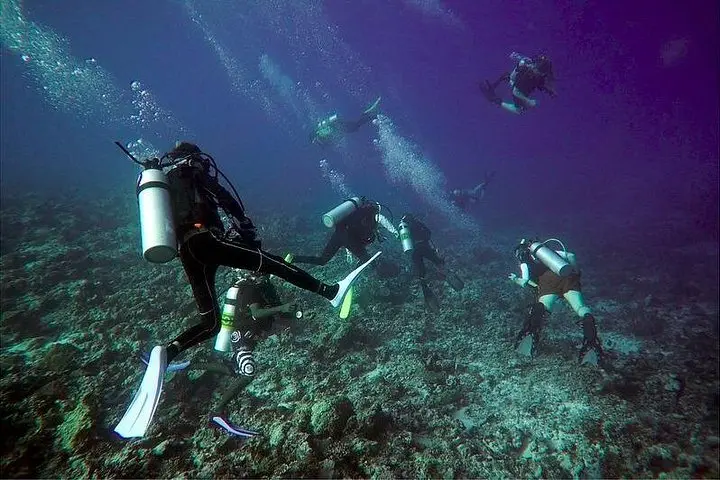
A short boat hop from Muscat, Daymaniyat Islands offers accessible dives across coral walls, turtle cleaning stations and seasonal chances to see whale sharks. Expect two guided water sessions, packed lunch, and protected marine zones that shape where and when you can land.
A short boat hop from Muscat, Daymaniyat Islands offers accessible dives across coral walls, turtle cleaning stations and seasonal chances to see whale sharks. Expect two guided water sessions, packed lunch, and protected marine zones that shape where and when you can land.
The engine eases and the marina falls behind — gulls wheel above Fahal Island while the Gulf opens and the Daymaniyat cluster grows darker on the horizon.
Verified experiences and guided adventures in the surrounding area.
Operated by QTours.om · Muscat, Muscat
The engine eases and the marina falls behind — gulls wheel above Fahal Island while the Gulf opens and the Daymaniyat cluster grows darker on the horizon.
Daymaniyat Islands sit like a marine keep-off zone a short boat run west of Muscat. The reserve is known for steep coral heads, swim-throughs and sandy bays where loggerhead and green turtles feed. Geologically the islands are the visible tips of submerged limestone and basalt outcrops; currents polish the reef slopes and funnel life into the channels between islets.
Historically the islands have been a seasonal stop for seabirds and local fishermen; today protections limit landing during bird migration and regulate diving to preserve nesting sites and coral.
On a typical trip you’ll ride roughly 40 minutes from Marina Bandar Al Rowdha, scan for dolphins on the way and arrive with a PADI professional guiding dives. Most seasons feature mild currents and clear visibility; July–October occasionally brings whale sharks and larger pelagics. Beach landings are allowed October–May; outside that window you'll explore from the boat.
Practical guidance: bring certification if you plan multiple dives, or book a guided introductory dive with the pro on board. Expect two water sessions separated by a packed lunch, and plan for sun, spray and variable boat motion. Hydrate before you board, protect skin with reef-safe sunscreen, and stow a light jacket for the return. Keep equipment checks methodical — regulators, weights and buddy briefings are where safety lives — then slip over the rail and let the reef dare you forward.
Expect about a 40‑minute boat transfer from Marina Bandar Al Rowdha, depending on sea conditions and the exact dive sites chosen.
Yes — operators carry a PADI professional and offer guided dives or introductory experiences; certified divers can join deeper or repeat dives.
Beach landings are allowed between October and May; landing is restricted during bird migration to protect nesting sites.
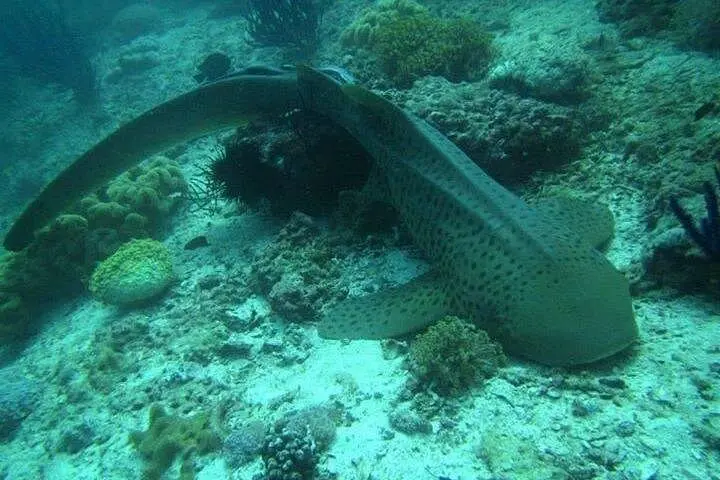
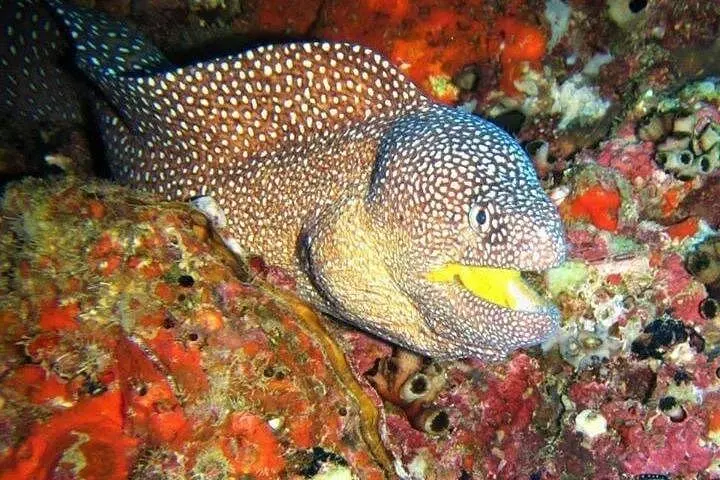
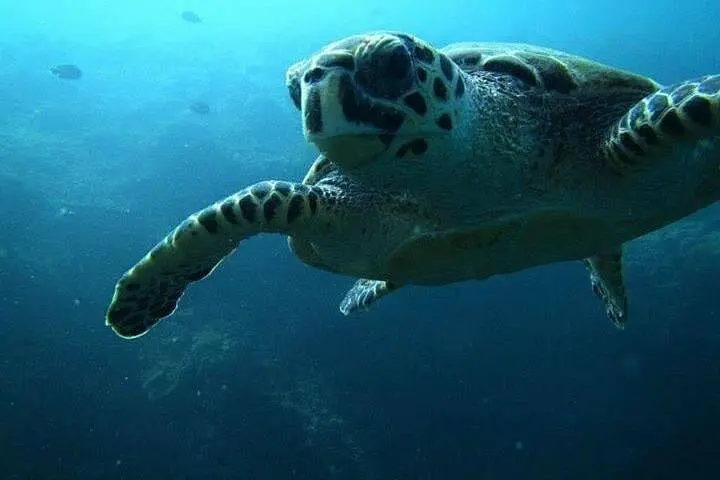
Common sightings include green and loggerhead turtles, reef fish, rays and, seasonally (July–October), occasional whale sharks or larger pelagics.
QTours.om operates guided outdoor trips and adventures with an emphasis on safety, stewardship, and memorable experiences.
The engine eases and the marina falls behind — gulls wheel above Fahal Island while the Gulf opens and the Daymaniyat cluster grows darker on the horizon.
The engine eases and the marina falls behind — gulls wheel above Fahal Island while the Gulf opens and the Daymaniyat cluster grows darker on the horizon.
Daymaniyat Islands sit like a marine keep-off zone a short boat run west of Muscat. The reserve is known for steep coral heads, swim-throughs and sandy bays where loggerhead and green turtles feed. Geologically the islands are the visible tips of submerged limestone and basalt outcrops; currents polish the reef slopes and funnel life into the channels between islets.
Historically the islands have been a seasonal stop for seabirds and local fishermen; today protections limit landing during bird migration and regulate diving to preserve nesting sites and coral.
On a typical trip you’ll ride roughly 40 minutes from Marina Bandar Al Rowdha, scan for dolphins on the way and arrive with a PADI professional guiding dives. Most seasons feature mild currents and clear visibility; July–October occasionally brings whale sharks and larger pelagics. Beach landings are allowed October–May; outside that window you'll explore from the boat.
Practical guidance: bring certification if you plan multiple dives, or book a guided introductory dive with the pro on board. Expect two water sessions separated by a packed lunch, and plan for sun, spray and variable boat motion. Hydrate before you board, protect skin with reef-safe sunscreen, and stow a light jacket for the return. Keep equipment checks methodical — regulators, weights and buddy briefings are where safety lives — then slip over the rail and let the reef dare you forward.