THE ADVENTURE COLLECTIVE® · Independent discovery and booking for outdoor travel

Explore shipwrecks and artificial reefs off Dubai's coastline, where guided dives reveal coral-encrusted structures and a surprising variety of marine life. This accessible Arabian Gulf experience blends short boat runs, structured briefings, and beginner-friendly options.
Explore shipwrecks and artificial reefs off Dubai's coastline, where guided dives reveal coral-encrusted structures and a surprising variety of marine life. This accessible Arabian Gulf experience blends short boat runs, structured briefings, and beginner-friendly options.
Surface heat and city glare fall away as the boat slips into the cooler blue of the Arabian Gulf. Divers clip on tanks under a low sun, taste salt on the air, and push off into water that seems to fold the skyline into the horizon. Below, artificial reefs and deliberately scuttled wrecks wait like steel skeletons colonized by coral and fish.
Verified experiences and guided adventures in the surrounding area.
Operated by Booketto DMC · Dubai, Dubai
Surface heat and city glare fall away as the boat slips into the cooler blue of the Arabian Gulf. Divers clip on tanks under a low sun, taste salt on the air, and push off into water that seems to fold the skyline into the horizon. Below, artificial reefs and deliberately scuttled wrecks wait like steel skeletons colonized by coral and fish.
Dubai's dive sites are modern by necessity: the seabed is largely sandy with pockets of limestone and built structures that have become habitat. Over the last two decades, operators have seeded reefs and created wreck dives to enhance marine biodiversity and recreational options — a practical response to limited natural reef formation in the region. Culturally, diving here sits alongside luxury tourism; excursions are short, organized, and often combined with snorkeling or coastal sightseeing.
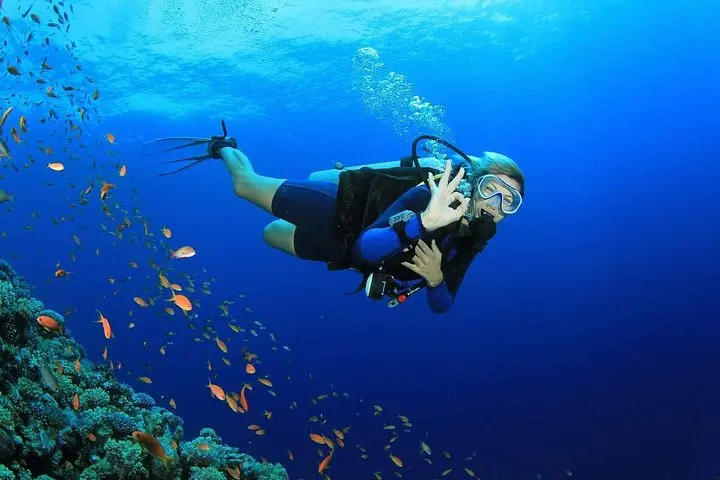
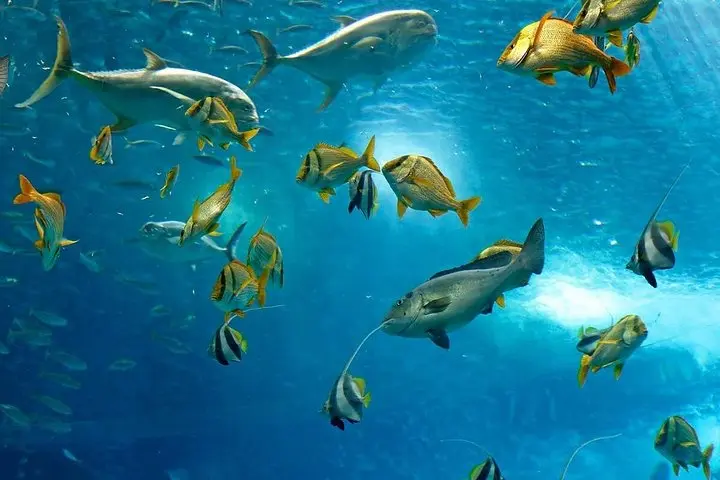
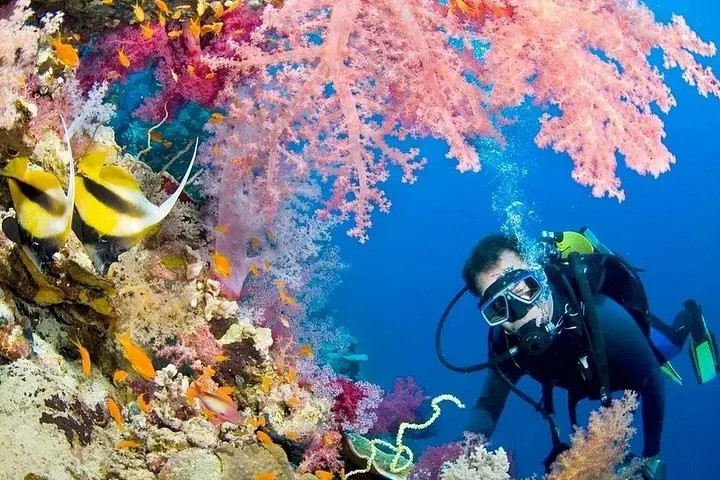
Expect visibility that fluctuates with season — clear in cooler months, murkier in summer — and marine life that ranges from colorful reef fish and lionfish to occasional hawksbill turtles and rays. Currents can be mild but will occasionally push you along channels around artificial structures, turning a standard dive into a drifting exploration.
Practical notes: guided dives and beginner certification courses are widely available; trips run about three hours including briefings. Wear a 3–5mm wetsuit in winter and a shorty in late spring and fall. Bring a dive computer or rent one, use reef-safe sunscreen, and listen to instructors on buoyancy near wrecks to avoid damaging fragile growth. This is accessible diving with an urban edge — technical enough to satisfy curious divers, simple enough for confident beginners.
Not always — many operators offer discovery dives for beginners under instructor supervision, but certified divers should bring their card.
Water ranges roughly 23–32°C (73–90°F); visibility is best in cooler months (October–April) and can drop in summer due to plankton and heat.
Age limits vary by operator; discovery programs sometimes accept teens with parental consent, while certification courses typically start around age 10–12 depending on agency.
Most trips last about three hours from boarding to return, with roughly 30–45 minutes of bottom time per dive.
Booketto DMC operates guided outdoor trips and adventures with an emphasis on safety, stewardship, and memorable experiences.
Surface heat and city glare fall away as the boat slips into the cooler blue of the Arabian Gulf. Divers clip on tanks under a low sun, taste salt on the air, and push off into water that seems to fold the skyline into the horizon. Below, artificial reefs and deliberately scuttled wrecks wait like steel skeletons colonized by coral and fish.
Surface heat and city glare fall away as the boat slips into the cooler blue of the Arabian Gulf. Divers clip on tanks under a low sun, taste salt on the air, and push off into water that seems to fold the skyline into the horizon. Below, artificial reefs and deliberately scuttled wrecks wait like steel skeletons colonized by coral and fish.
Dubai's dive sites are modern by necessity: the seabed is largely sandy with pockets of limestone and built structures that have become habitat. Over the last two decades, operators have seeded reefs and created wreck dives to enhance marine biodiversity and recreational options — a practical response to limited natural reef formation in the region. Culturally, diving here sits alongside luxury tourism; excursions are short, organized, and often combined with snorkeling or coastal sightseeing.
Expect visibility that fluctuates with season — clear in cooler months, murkier in summer — and marine life that ranges from colorful reef fish and lionfish to occasional hawksbill turtles and rays. Currents can be mild but will occasionally push you along channels around artificial structures, turning a standard dive into a drifting exploration.
Practical notes: guided dives and beginner certification courses are widely available; trips run about three hours including briefings. Wear a 3–5mm wetsuit in winter and a shorty in late spring and fall. Bring a dive computer or rent one, use reef-safe sunscreen, and listen to instructors on buoyancy near wrecks to avoid damaging fragile growth. This is accessible diving with an urban edge — technical enough to satisfy curious divers, simple enough for confident beginners.