THE ADVENTURE COLLECTIVE® · Independent discovery and booking for outdoor travel

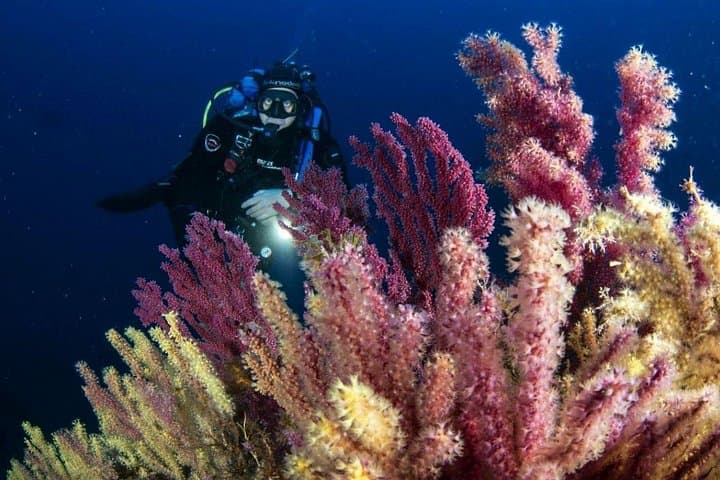
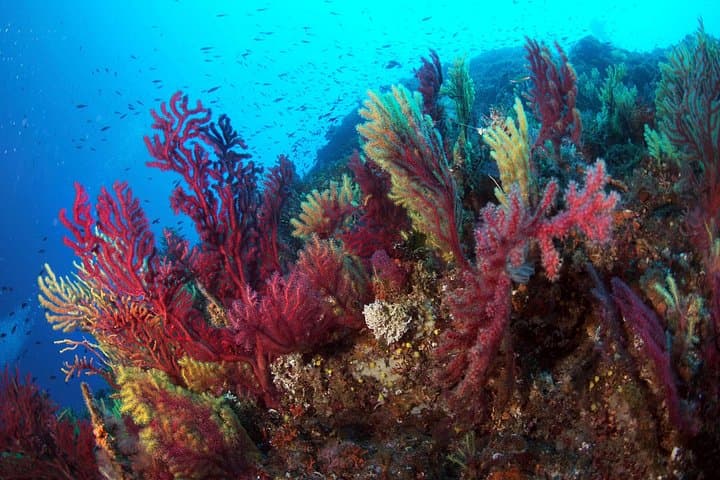
Explore clear Tyrrhenian waters off Tropea with dives to reefs, seagrass meadows and submerged wrecks. This full-day experience suits certified divers ready for guided recreational or technical dives with local crews.
Explore clear Tyrrhenian waters off Tropea with dives to reefs, seagrass meadows and submerged wrecks. This full-day experience suits certified divers ready for guided recreational or technical dives with local crews.
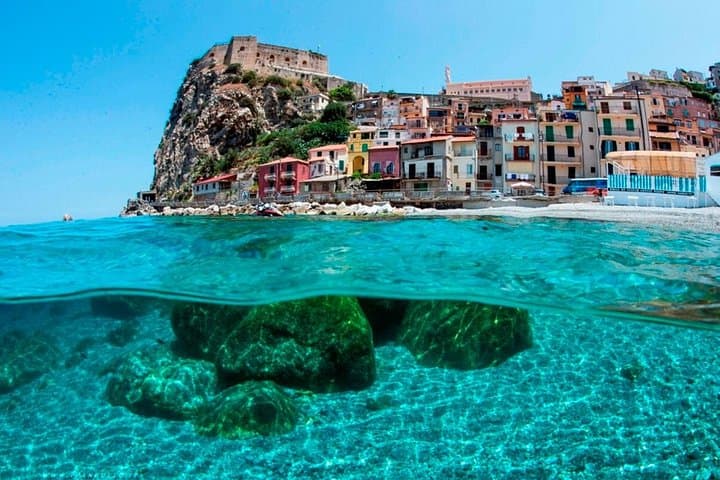
A salt-bright dawn finds the dive van parked under the crags above Tropea, the Tyrrhenian Sea spread like a hard blue promise below. After a short drive the crew rigs tanks and checks kit; the sea-weather will decide whether today’s plan is a reef, a seagrass meadow or a wreck that rests cooler and quieter under the swell.
Verified experiences and guided adventures in the surrounding area.
Operated by Megale Hellas Diving Center · Tropea, Calabria
A salt-bright dawn finds the dive van parked under the crags above Tropea, the Tyrrhenian Sea spread like a hard blue promise below. After a short drive the crew rigs tanks and checks kit; the sea-weather will decide whether today’s plan is a reef, a seagrass meadow or a wreck that rests cooler and quieter under the swell.
Calabria’s coast is shaped by limestone cliffs, ancient trade routes and pockets of volcanic influence from the wider Tyrrhenian basin. Centuries of Mediterranean shipping left wrecks and relics that attract technical divers, while Posidonia seagrass beds and rocky outcrops host groupers, octopus and seasonal loggerhead turtles.
Local culture leans maritime and practical: small fishing ports, seafood trattorie and dive centers run by crews who read swell and tide like a language. Expect briefing cadence in English and Italian; tanks, weights and a local guide are supplied, but you must show certification to dive.
On the water, dives typically run as single or double dives from shore or a short boat hop. Visibility is often good—10–30 m depending on season—and terrain varies from sand flats to swim-throughs around rock pinnacles and historic wrecks. Bring a camera, a shorty or full wetsuit depending on season, and plan travel around the 48-hour no-fly rule after diving. Hydrate between dives, follow your guide’s depth limits, and leave nothing touching the seabed—here the sea asks to be observed, not reorganized.
Yes—evidence of certification is required for certified dives; the operator will verify cards before boarding.
Yes—tanks and weights are included along with a local guide; check whether rental regulators and BCDs are available if you need them.
Certified beginner (Open Water) divers can join guided recreational dives; truly untrained snorkelers or non-certified guests should enroll in a discover-scuba program if offered, but confirm in advance.
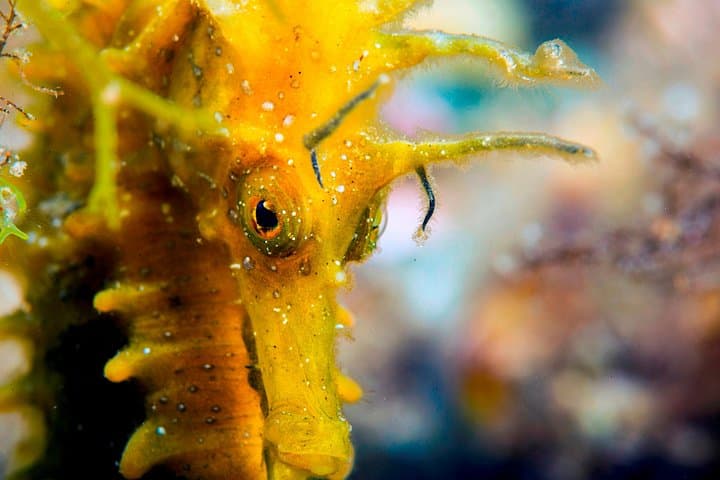
Expect groupers, octopus, small reef fish and seasonal loggerhead turtles, plus seagrass ecosystems that support diverse invertebrates.
Megale Hellas Diving Center operates guided outdoor trips and adventures with an emphasis on safety, stewardship, and memorable experiences.
A salt-bright dawn finds the dive van parked under the crags above Tropea, the Tyrrhenian Sea spread like a hard blue promise below. After a short drive the crew rigs tanks and checks kit; the sea-weather will decide whether today’s plan is a reef, a seagrass meadow or a wreck that rests cooler and quieter under the swell.
A salt-bright dawn finds the dive van parked under the crags above Tropea, the Tyrrhenian Sea spread like a hard blue promise below. After a short drive the crew rigs tanks and checks kit; the sea-weather will decide whether today’s plan is a reef, a seagrass meadow or a wreck that rests cooler and quieter under the swell.
Calabria’s coast is shaped by limestone cliffs, ancient trade routes and pockets of volcanic influence from the wider Tyrrhenian basin. Centuries of Mediterranean shipping left wrecks and relics that attract technical divers, while Posidonia seagrass beds and rocky outcrops host groupers, octopus and seasonal loggerhead turtles.
Local culture leans maritime and practical: small fishing ports, seafood trattorie and dive centers run by crews who read swell and tide like a language. Expect briefing cadence in English and Italian; tanks, weights and a local guide are supplied, but you must show certification to dive.
On the water, dives typically run as single or double dives from shore or a short boat hop. Visibility is often good—10–30 m depending on season—and terrain varies from sand flats to swim-throughs around rock pinnacles and historic wrecks. Bring a camera, a shorty or full wetsuit depending on season, and plan travel around the 48-hour no-fly rule after diving. Hydrate between dives, follow your guide’s depth limits, and leave nothing touching the seabed—here the sea asks to be observed, not reorganized.