THE ADVENTURE COLLECTIVE® · Independent discovery and booking for outdoor travel

Watch Dan Marshall turn archival records into a hands-on demonstration that reconstructs colonial scurvy cures. This living-history program pairs primary sources with period tools to reveal how sailors fought a disease that reshaped Atlantic life.
Watch Dan Marshall turn archival records into a hands-on demonstration that reconstructs colonial scurvy cures. This living-history program pairs primary sources with period tools to reveal how sailors fought a disease that reshaped Atlantic life.
Book with Marblehead Museum
Verified experiences and guided adventures in the surrounding area.
Operated by Marblehead Museum · Marblehead, Massachusetts
Scurvy and Its Colonial Cures brings a small, focused laboratory of history to life at marbleheadmuseum, where maritime medicine and hands-on demonstration meet scholarship. The program follows the deadly arc of scurvy in the 17th and 18th centuries, drawing on European and American records to show how sailors, ship surgeons, and coastal communities confronted a disease that claimed hundreds of thousands of lives. Led by Dan Marshall, the presentation moves from archival case notes to a practical table: he reconstructs period remedies and shows visitors how simple ingredients became medicine with the tools and techniques of the age.
The session begins with a compact survey of colonial seafaring life and the physiological devastation scurvy inflicted—bleeding gums, lethargy, and eventual collapse—framed by contemporary sources. Marshall traces early cures and false leads as well as the gradual accumulation of evidence that vitamin-C rich foods prevented the illness. The heart of the experience is an interactive demonstration; using replicas of 17th- and 18th-century implements, Marshall blends herbs, citrus-based preparations, and preserved provisions to recreate how medicines were measured, preserved, and administered aboard ships and in port clinics.
Why this matters locally: maritime communities along the New England coast lived the stakes of scurvy daily, and programs like this connect modern visitors to the practical ingenuity and stubborn misconceptions of the colonial Atlantic. For history-minded travelers, the event is a rare chance to see a primary-source driven narrative paired with material culture techniques—more than a lecture, it’s a living workshop that rewards curiosity about food preservation, early pharmacology, and daily life aboard wooden vessels.
Practical details: location and exact meeting-point information were not supplied with the listing; confirm the venue, start time, and age restrictions with the operator before you go. Suitable for adults and older children with an interest in history, the program is primarily a standing-room demonstration with close-up viewing opportunities. Expect sensory detail—aromas of citrus, herbs, and iron tools—and bring a notebook if you like to record recipes and sources referenced by the presenter.
Safety and accessibility depend on venue specifics; inquire about seating, weather contingencies, or mobility accommodations when you book. Photographers will find strong close-up opportunities of historical tools, but check whether flash or handling artifacts is permitted. Whether you’re a maritime history fan, a medical history student, or a traveler who likes history with hands-on flair, Scurvy and Its Colonial Cures offers a concrete, memorable way to connect with the lived experience of Atlantic voyaging. Expect a dense hour of sourced anecdotes, tactile demonstrations, and clear explanations that leave you thinking differently about food, health, and life at sea. Bring curiosity, comfortable shoes, and an appetite for precise history; the lessons are surprisingly modern and immediately intelligible. Book early.
Duration was not listed; plan for approximately one hour and confirm exact timing with the operator when you book.
Older children with an interest in history should enjoy it; check age recommendations with the operator for any hands-on segments.
The listing notes demonstrations of turning ingredients into medicine but does not confirm sampling—ask the host if any tasting is part of the event.
Accessibility details were not provided; contact the venue ahead of time to request seating or accommodations.
Handling and photography policies vary—always check with the presenter or museum staff before touching objects or using flash photography.
Use the referral link provided on the listing to reserve a spot and verify meeting-point information before arrival.
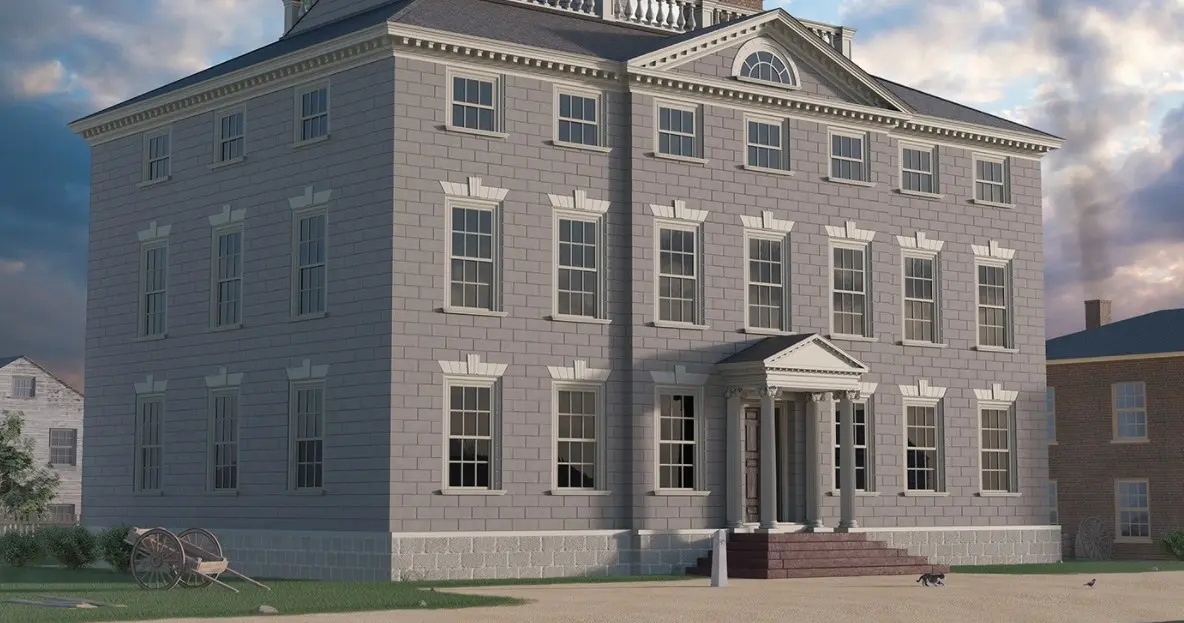
Marblehead Museum, located in Marblehead, Massachusetts, preserves and interprets the town’s maritime, colonial, and social history through public programs, rotating exhibits, and guided experiences. The museum offers site-specific tours and presentations that explore Marblehead’s role in early American history and community life. Notable offerings include the Jeremiah Lee Mansion Tour, a 45-minute guided walk through three floors of the Georgian Lee Mansion that reveals the Lee family’s lifestyle, the presence of enslaved individuals in the household, and local economic and social contexts of the colonial era. Educational programming includes the Annual Ambassador Michael Brackett Smith Memorial Lecture, presented as John Glover’s Schooner Hannah (Zoom only), an illustrated talk detailing the schooner Hannah’s 1775 escape from the British naval vessel Nautilus and its significance to early Revolutionary maritime history. Another public presentation, Bittersweet: Dessert and Dissent, is a 45-minute session that examines eighteenth- and nineteenth-century anti-slavery boycotts, pairs historical desserts such as apple tartlet and gingerbread with interpretation, and concludes with audience Q&A. Marblehead Museum works with local historians, volunteers, and community partners to deliver informed programming for residents, students, and visitors. The museum’s public calendar, ticketed tours, and virtual lectures provide accessible ways to engage with primary history and to deepen understanding of Marblehead’s past. Visitors are encouraged to consult the museum’s official schedule for up-to-date event details. Admission and registration details are posted on the museum’s official website; groups, schools, and educators may request guided visits or tailor programs by contacting museum staff directly for scheduling and accessibility information.

Book with Marblehead Museum