THE ADVENTURE COLLECTIVE® · Independent discovery and booking for outdoor travel

Join Dan Marshall and marbleheadmuseum for a concise, hands-on Zoom talk that traces scurvy from shipboard scourge to colonial remedies. Watch period techniques brought to life and leave with primary-source references and classroom-ready ideas.
Join Dan Marshall and marbleheadmuseum for a concise, hands-on Zoom talk that traces scurvy from shipboard scourge to colonial remedies. Watch period techniques brought to life and leave with primary-source references and classroom-ready ideas.
Book with Marblehead Museum
Verified experiences and guided adventures in the surrounding area.
Operated by Marblehead Museum · Marblehead, Massachusetts
Presented live on Zoom by marbleheadmuseum, “Scurvy and Its Colonial Cures” is a focused, evidence-rich talk and hands-on demonstration that rescues a grim chapter of maritime history from footnote status. For one hour, historian and maker Dan Marshall walks viewers through European and American colonial records that document how scurvy ravaged wooden ships and port towns, then shifts to a table crowded with simple ingredients to show how 17th- and 18th-century practitioners turned those ingredients into medicine using period tools and techniques.
The event lives at the intersection of medical history and maritime life: expect archival testimony, sailors’ logs, and lists of symptoms alongside a practical display of syrups, decoctions, and preserved botanicals. The key features here are the archival sources Dan parses, the historically accurate brewing and compounding methods he demonstrates, and the palpable sense of scale—how nutritional deficiency on long voyages translated into high mortality. There is no scenic vista to photograph; instead the scene is paper and glass: brittle pages, bottle amber, glass funnels and a wooden mortar that speak to a working history.
Why this talk matters to travelers and history-minded visitors: it frames local maritime culture in human terms. The subject connects port life, trade routes, and the everyday remedies seafaring communities experimented with while awaiting scientific consensus. Listeners will come away with a concrete sense of how colonial-era people attempted to treat scurvy long before vitamin theory. A cultural note: scurvy was ubiquitous among sailors in the colonial Atlantic, a crisis that shaped shipboard routines and provisioning decisions for centuries.
Practical details: this is a Zoom-only program; the host organization is marbleheadmuseum. Exact timing and ticketing are available through the event referral link. Bring a notebook, a steady internet connection, and curiosity—Dan’s demos reward close observation, not strenuous activity. The talk is ideal for museum patrons, teachers designing lessons on public health history, reenactors, and sailors curious about the lived experience of their craft’s past.
What sets this offering apart is its hands-on approach. Many history lectures stay abstract; this one translates pages into practice. The demonstration tools—replicated apothecary equipment, labeled botanical samples, and contemporary comparisons—make eighteenth-century remedies legible to a modern audience. For anyone interested in maritime history, medicine, or material culture, this Zoom talk compresses deep archival work into a single, accessible hour that makes the past immediate and usefully strange.
Participants should expect an opportunity to pose questions during a moderated Q&A and to receive pointers for further reading; Dan cites primary sources and points attendees toward transcription projects and local archives. Educators can adapt the demonstration into classroom labs on nutrition and public health, while reenactors and living-history interpreters will find the tangible techniques invaluable for creating accurate period demonstrations.
This is a Zoom-only talk presented by marbleheadmuseum; attendees join remotely.
The program runs roughly 60–75 minutes, including a moderated Q&A at the end.
Dan shows reproductions and period tools; viewers will see close-up images and table demonstrations rather than gallery-displayed artifacts.
Yes—teachers and students studying public health, maritime history, or material culture will find it valuable.
Recording availability varies—check the referral link for session-specific details and any offered recordings.
Yes—there is a moderated Q&A where attendees can pose questions to Dan Marshall.
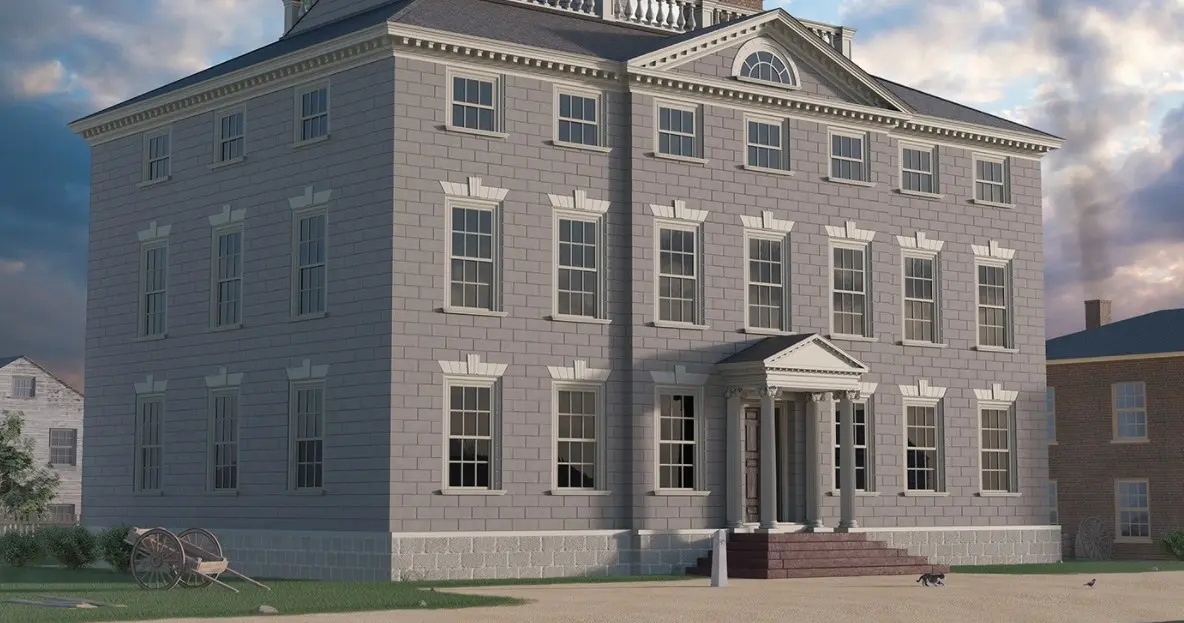
Marblehead Museum, located in Marblehead, Massachusetts, preserves and interprets the town’s maritime, colonial, and social history through public programs, rotating exhibits, and guided experiences. The museum offers site-specific tours and presentations that explore Marblehead’s role in early American history and community life. Notable offerings include the Jeremiah Lee Mansion Tour, a 45-minute guided walk through three floors of the Georgian Lee Mansion that reveals the Lee family’s lifestyle, the presence of enslaved individuals in the household, and local economic and social contexts of the colonial era. Educational programming includes the Annual Ambassador Michael Brackett Smith Memorial Lecture, presented as John Glover’s Schooner Hannah (Zoom only), an illustrated talk detailing the schooner Hannah’s 1775 escape from the British naval vessel Nautilus and its significance to early Revolutionary maritime history. Another public presentation, Bittersweet: Dessert and Dissent, is a 45-minute session that examines eighteenth- and nineteenth-century anti-slavery boycotts, pairs historical desserts such as apple tartlet and gingerbread with interpretation, and concludes with audience Q&A. Marblehead Museum works with local historians, volunteers, and community partners to deliver informed programming for residents, students, and visitors. The museum’s public calendar, ticketed tours, and virtual lectures provide accessible ways to engage with primary history and to deepen understanding of Marblehead’s past. Visitors are encouraged to consult the museum’s official schedule for up-to-date event details. Admission and registration details are posted on the museum’s official website; groups, schools, and educators may request guided visits or tailor programs by contacting museum staff directly for scheduling and accessibility information.

Book with Marblehead Museum