THE ADVENTURE COLLECTIVE® · Independent discovery and booking for outdoor travel

Clip in above the Atlantic on easy-to-reach limestone routes at Farol da Guia. This guided, four-hour climb in Cascais pairs solid instruction with sun-warmed rock and ocean panoramas—ideal for first-timers and experienced climbers seeking seaside exposure.
Clip in above the Atlantic on easy-to-reach limestone routes at Farol da Guia. This guided, four-hour climb in Cascais pairs solid instruction with sun-warmed rock and ocean panoramas—ideal for first-timers and experienced climbers seeking seaside exposure.
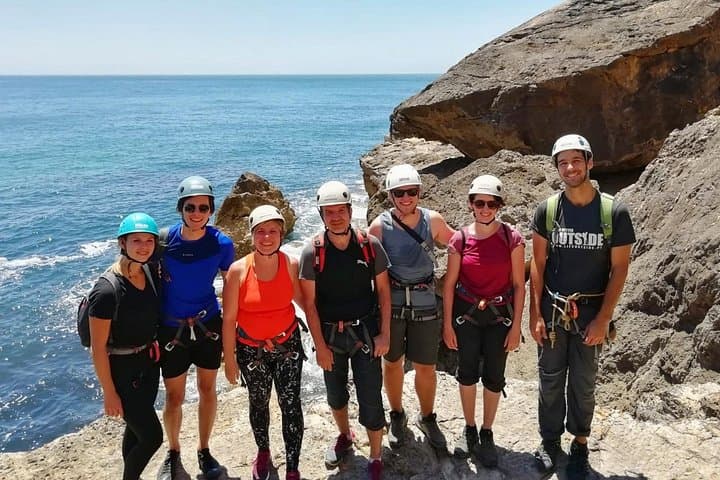
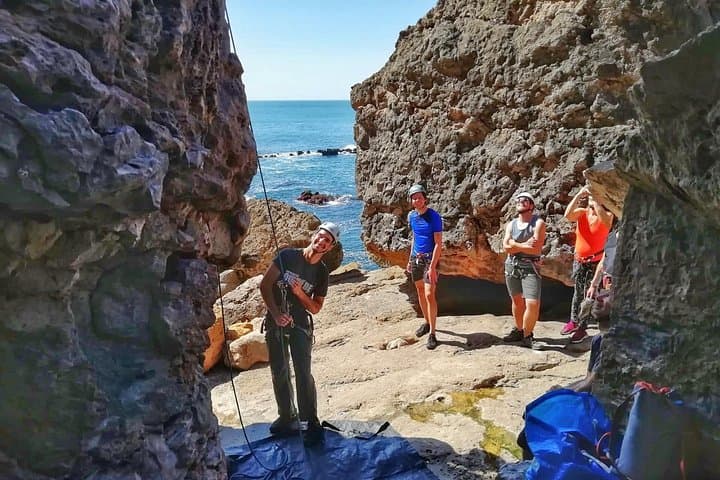
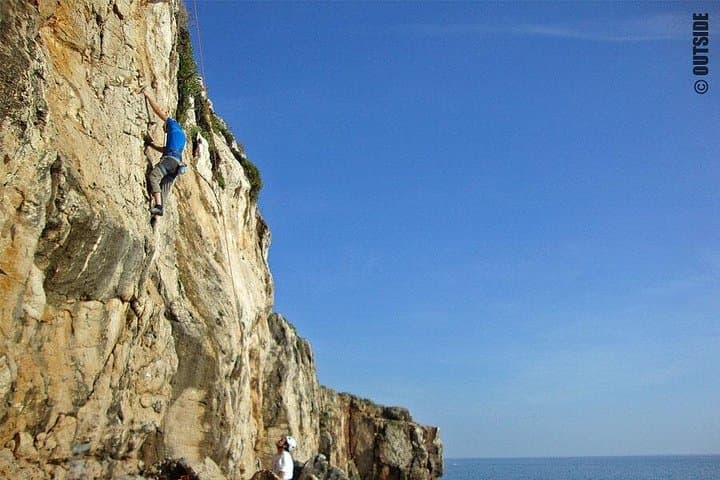
A late-morning sun warms the pale limestone as the Atlantic breathes a steady, salt-scented air across the headland. Climbers clip into harnesses while waves scrub the base of the cliffs; gulls wheel through the thermal layers and the lighthouse at Guia watches the small group like an old harbor master. The approach is a short trek along a rocky ledge — no long bushwhack, just the kind of brief transition that readies you for arms-on contact with the rock.
Verified experiences and guided adventures in the surrounding area.
Operated by Life Outside · Cascais, Lisbon
A late-morning sun warms the pale limestone as the Atlantic breathes a steady, salt-scented air across the headland. Climbers clip into harnesses while waves scrub the base of the cliffs; gulls wheel through the thermal layers and the lighthouse at Guia watches the small group like an old harbor master. The approach is a short trek along a rocky ledge — no long bushwhack, just the kind of brief transition that readies you for arms-on contact with the rock.
The routes here exploit weather-protected faces carved from Miocene limestone. Cascais was a humble fishing town until the 19th century when Portuguese royalty and foreign travelers discovered its mild climate; the cliffs that once guided mariners now guide climbers. The geology is practical: compact limestone with pockets, tufas and thin edges that reward precise feet rather than brute force. The site sits in a coastal zone where northern winds are blocked by the headland, which is why guides will tell you you can climb in a t-shirt most winters and still feel the sun on your back.
This private, four-hour experience begins at the parking lot by Farol da Guia. Guides introduce safety basics, fit harnesses and shoes, and lead on a selection of routes suited to all abilities — from first-time top-ropers to seasoned leaders. Small-group ratios (typically 1 guide per 3 participants) keep instruction hands-on. Between climbs, a dip in a protected cove is an option when conditions allow, and the soundscape shifts from the scrape of rubber on rock to the flat hush of the sea.
Practical details are straightforward: equipment is included (harness, helmet, shoes), hotel pickup within Cascais is offered, and public transport options are nearby if you prefer not to drive. The terrain is exposed in sections; good balance and a moderate fitness level make the day more enjoyable. The operator cancels in bad weather and recommends weekday bookings if you want quieter routes.
Expect clear instruction, patient belaying, and the odd local story — guides often weave in Cascais lore, from royal seaside escapes to the fishermen who first mapped these coves. Conservation here matters: keep chalk use minimal, stick to established access lines to limit erosion, and pack out anything you bring in. For a compact coastal climbing introduction with clear logistics and memorable ocean views, Cascais’ sea-cliff routes deliver both the adrenal snap of vertical movement and the steady, restorative cadence of the Atlantic.
No — guides provide basic instruction and top-rope setups suitable for beginners, though prior climbing will help you progress faster.
Yes — the operator supplies harnesses, helmets and climbing shoes as part of the booking.
Routes are available for many ages, but participants should be in moderate physical health; infants must sit on laps and clients with spinal or heart conditions are advised not to participate.
The provider cancels in bad weather and offers a full refund if you cancel at least 24 hours before departure; safety is prioritized on exposed sea cliffs.
Yes — hotel pickup and drop-off within Cascais is included in the tour details.
Meet in the parking lot in front of Farol da Guia (the lighthouse) by the Repsol station; parking is free and coordinates are provided at booking.
Life Outside operates guided outdoor trips and adventures with an emphasis on safety, stewardship, and memorable experiences.

A late-morning sun warms the pale limestone as the Atlantic breathes a steady, salt-scented air across the headland. Climbers clip into harnesses while waves scrub the base of the cliffs; gulls wheel through the thermal layers and the lighthouse at Guia watches the small group like an old harbor master. The approach is a short trek along a rocky ledge — no long bushwhack, just the kind of brief transition that readies you for arms-on contact with the rock.
A late-morning sun warms the pale limestone as the Atlantic breathes a steady, salt-scented air across the headland. Climbers clip into harnesses while waves scrub the base of the cliffs; gulls wheel through the thermal layers and the lighthouse at Guia watches the small group like an old harbor master. The approach is a short trek along a rocky ledge — no long bushwhack, just the kind of brief transition that readies you for arms-on contact with the rock.
The routes here exploit weather-protected faces carved from Miocene limestone. Cascais was a humble fishing town until the 19th century when Portuguese royalty and foreign travelers discovered its mild climate; the cliffs that once guided mariners now guide climbers. The geology is practical: compact limestone with pockets, tufas and thin edges that reward precise feet rather than brute force. The site sits in a coastal zone where northern winds are blocked by the headland, which is why guides will tell you you can climb in a t-shirt most winters and still feel the sun on your back.
This private, four-hour experience begins at the parking lot by Farol da Guia. Guides introduce safety basics, fit harnesses and shoes, and lead on a selection of routes suited to all abilities — from first-time top-ropers to seasoned leaders. Small-group ratios (typically 1 guide per 3 participants) keep instruction hands-on. Between climbs, a dip in a protected cove is an option when conditions allow, and the soundscape shifts from the scrape of rubber on rock to the flat hush of the sea.
Practical details are straightforward: equipment is included (harness, helmet, shoes), hotel pickup within Cascais is offered, and public transport options are nearby if you prefer not to drive. The terrain is exposed in sections; good balance and a moderate fitness level make the day more enjoyable. The operator cancels in bad weather and recommends weekday bookings if you want quieter routes.
Expect clear instruction, patient belaying, and the odd local story — guides often weave in Cascais lore, from royal seaside escapes to the fishermen who first mapped these coves. Conservation here matters: keep chalk use minimal, stick to established access lines to limit erosion, and pack out anything you bring in. For a compact coastal climbing introduction with clear logistics and memorable ocean views, Cascais’ sea-cliff routes deliver both the adrenal snap of vertical movement and the steady, restorative cadence of the Atlantic.