THE ADVENTURE COLLECTIVE® · Independent discovery and booking for outdoor travel

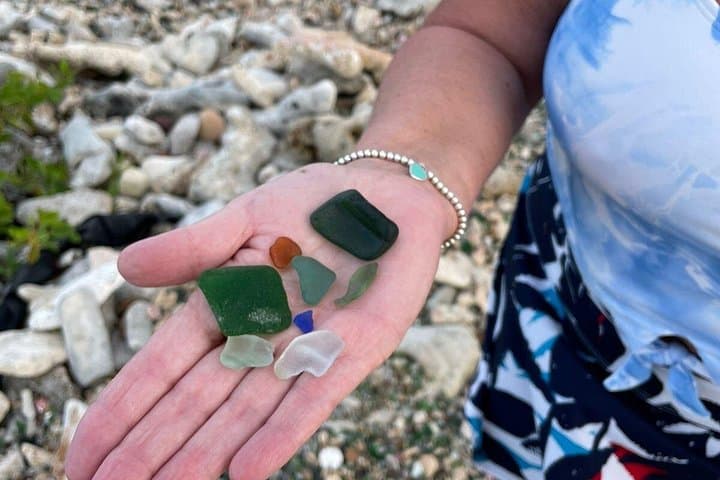
Paddle clear, shallow water to a small reef where decades of tumbling turned trash into colorful sea glass. This guided kayak tour from the south coast of Aruba combines easy paddling with hands-on beachcombing and reef viewing.
Paddle clear, shallow water to a small reef where decades of tumbling turned trash into colorful sea glass. This guided kayak tour from the south coast of Aruba combines easy paddling with hands-on beachcombing and reef viewing.
A low sun glances off the south coast of Aruba as transparent kayaks slide from the sand. Paddles cut a ribbon of white through water that wants to show you everything beneath it — coral fingers, darting fish, and shards of history smoothed into sea glass. Guides give a short briefing on the beach beside the Flying Fishbone area, then the group slips offshore toward the little reef known locally as Sea Glass Island.
Verified experiences and guided adventures in the surrounding area.
Operated by Aruba Nature Adventures · San Nicolas, Aruba
A low sun glances off the south coast of Aruba as transparent kayaks slide from the sand. Paddles cut a ribbon of white through water that wants to show you everything beneath it — coral fingers, darting fish, and shards of history smoothed into sea glass. Guides give a short briefing on the beach beside the Flying Fishbone area, then the group slips offshore toward the little reef known locally as Sea Glass Island.
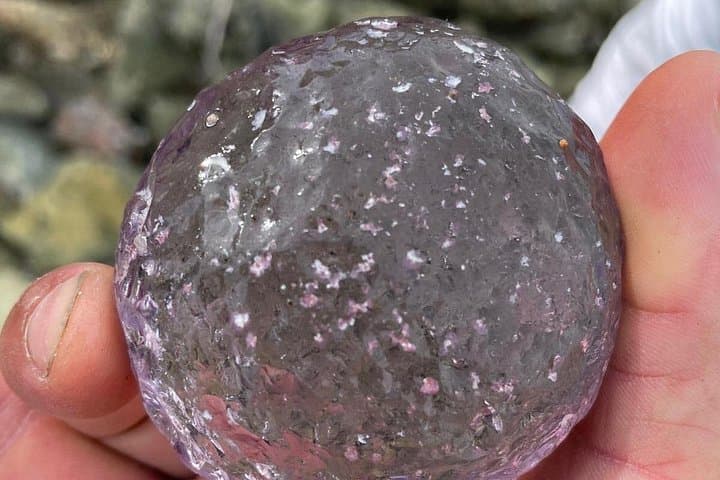
The shoreline here is shaped by strong trade winds and wave-driven currents that once pushed discarded glass and pottery against coral outcrops. Decades of tumbling have rounded fragments into the colorful pieces collectors prize. Geologically the south coast is wind-carved limestone with pockets of reef; culturally the area grew around fishing and refinery towns like San Nicolas, which give the coast a working, lived-in character.
Expect around 2–2.5 hours on the water, with 10–15 minutes of paddling to the island followed by time for hunting and photos. The see-through kayaks put the reef close — look down and the ocean seems to hold its breath, inviting inspection. Guides provide life jackets, water, and light snacks; they’ll show safe routes to approach the island and how to move with the current rather than against it.
Practical notes: arrive with reef shoes, reef-safe sunscreen, and a dry bag. Watch the sea state — the south coast can be choppier than the west side. This outing rewards curiosity, steady paddling, and a careful eye for small treasures shaped by the sea.
The paddle is typically 10–15 minutes from the launch beach in calm conditions, about a mile round trip including approach maneuvers.
No extensive experience is required; guides provide instruction, but participants should be comfortable paddling and re-entering a sit-on-top kayak.
Yes, small pieces collected from the intertidal and beach areas are generally acceptable to take, but avoid disturbing live coral or protected wildlife.
The operator cancels in unsafe conditions and offers a full refund if canceled at least 24 hours before departure; same-day cancellations occur if the sea state is hazardous.
Aruba Nature Adventures operates guided outdoor trips and adventures with an emphasis on safety, stewardship, and memorable experiences.


A low sun glances off the south coast of Aruba as transparent kayaks slide from the sand. Paddles cut a ribbon of white through water that wants to show you everything beneath it — coral fingers, darting fish, and shards of history smoothed into sea glass. Guides give a short briefing on the beach beside the Flying Fishbone area, then the group slips offshore toward the little reef known locally as Sea Glass Island.
A low sun glances off the south coast of Aruba as transparent kayaks slide from the sand. Paddles cut a ribbon of white through water that wants to show you everything beneath it — coral fingers, darting fish, and shards of history smoothed into sea glass. Guides give a short briefing on the beach beside the Flying Fishbone area, then the group slips offshore toward the little reef known locally as Sea Glass Island.
The shoreline here is shaped by strong trade winds and wave-driven currents that once pushed discarded glass and pottery against coral outcrops. Decades of tumbling have rounded fragments into the colorful pieces collectors prize. Geologically the south coast is wind-carved limestone with pockets of reef; culturally the area grew around fishing and refinery towns like San Nicolas, which give the coast a working, lived-in character.
Expect around 2–2.5 hours on the water, with 10–15 minutes of paddling to the island followed by time for hunting and photos. The see-through kayaks put the reef close — look down and the ocean seems to hold its breath, inviting inspection. Guides provide life jackets, water, and light snacks; they’ll show safe routes to approach the island and how to move with the current rather than against it.
Practical notes: arrive with reef shoes, reef-safe sunscreen, and a dry bag. Watch the sea state — the south coast can be choppier than the west side. This outing rewards curiosity, steady paddling, and a careful eye for small treasures shaped by the sea.