THE ADVENTURE COLLECTIVE® · Independent discovery and booking for outdoor travel

Paddle beneath the sheer cliffs of Chapman's Peak, circle Karbonkelberg and return to the working harbour of Hout Bay. This two-hour guided sea-kayak puts you at sea level with seals, seabirds and the dramatic Cape coastline—best in morning light and calm seas.
Paddle beneath the sheer cliffs of Chapman's Peak, circle Karbonkelberg and return to the working harbour of Hout Bay. This two-hour guided sea-kayak puts you at sea level with seals, seabirds and the dramatic Cape coastline—best in morning light and calm seas.
The harbour smells of diesel and salty kelp as guides clip your PFD and nod toward the open water. A low swell rocks the stable sea kayaks while Chapman's Peak rises to your right, its banded sandstone cliffs daring you to follow the shoreline. In the first minutes the ocean turns conversational: kelp fronds slap, cormorants point like weather vanes, and seals circle inquisitively.
Verified experiences and guided adventures in the surrounding area.
Operated by Gravity Micro Adventures · Hout Bay, Western Cape
The harbour smells of diesel and salty kelp as guides clip your PFD and nod toward the open water. A low swell rocks the stable sea kayaks while Chapman's Peak rises to your right, its banded sandstone cliffs daring you to follow the shoreline. In the first minutes the ocean turns conversational: kelp fronds slap, cormorants point like weather vanes, and seals circle inquisitively.
This route threads recent coastal engineering and older maritime history — Hout Bay began as a fishing village and Chapman's Peak Drive was carved into the cliffs in the early 20th century to link communities along the bay. Geologically the headland is Cape granite and Table Mountain sandstone meeting the sea, producing steep cliffs, small sea caves and rich kelp beds that sustain diverse life.
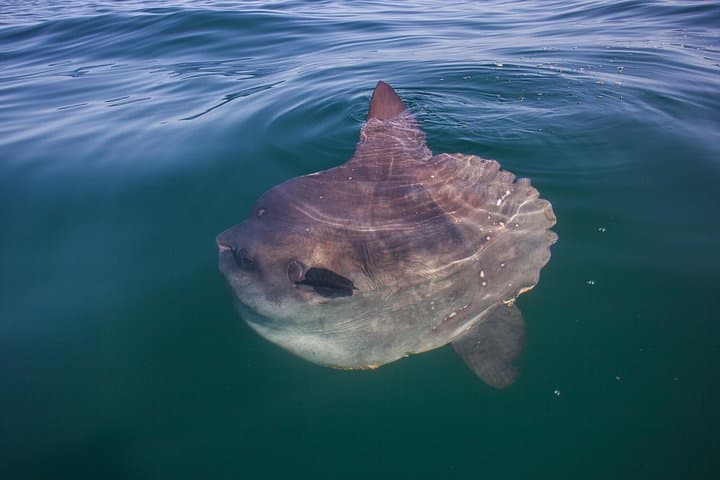
Local culture centers on boats, nets and harbor cafés; guides often share stories of the bay’s fishing economy and the seasonal migrations that bring sunfish and whales close to shore. Conservation-minded operators emphasize low-impact viewing and staying clear of haul-out rocks used by seals.
Practical guide: the paddle is roughly 6–8 km and about 2 hours at sea level with minimal technical difficulty, but expect variable wind and chop—mornings are calmer. Wear water shoes and layered synthetic clothing, bring sunscreen, a refillable water bottle and a small dry bag for essentials. Guides provide instruction, PFDs and stable kayaks, and groups are kept to about a dozen. If weather turns, trips are canceled for safety; book morning departures in summer to avoid the strong south-easter breeze.
You should be able to paddle continuously for short periods and handle a moderate exertion level for about 1.5–2 hours; guides tailor the pace for the group.
Yes—common sightings include Cape fur seals, cormorants and occasionally sunfish or migrating whales depending on season and sea state.
Trips are canceled for high winds or unsafe sea conditions; the operator offers full refunds for cancellations made at least 24 hours in advance and will cancel if weather turns.
Operators typically request passenger weights for kayak allocation and ask that participants be able to follow safety briefings; specific age/weight requirements are provided at booking.
Gravity Micro Adventures operates guided outdoor trips and adventures with an emphasis on safety, stewardship, and memorable experiences.



The harbour smells of diesel and salty kelp as guides clip your PFD and nod toward the open water. A low swell rocks the stable sea kayaks while Chapman's Peak rises to your right, its banded sandstone cliffs daring you to follow the shoreline. In the first minutes the ocean turns conversational: kelp fronds slap, cormorants point like weather vanes, and seals circle inquisitively.
The harbour smells of diesel and salty kelp as guides clip your PFD and nod toward the open water. A low swell rocks the stable sea kayaks while Chapman's Peak rises to your right, its banded sandstone cliffs daring you to follow the shoreline. In the first minutes the ocean turns conversational: kelp fronds slap, cormorants point like weather vanes, and seals circle inquisitively.
This route threads recent coastal engineering and older maritime history — Hout Bay began as a fishing village and Chapman's Peak Drive was carved into the cliffs in the early 20th century to link communities along the bay. Geologically the headland is Cape granite and Table Mountain sandstone meeting the sea, producing steep cliffs, small sea caves and rich kelp beds that sustain diverse life.
Local culture centers on boats, nets and harbor cafés; guides often share stories of the bay’s fishing economy and the seasonal migrations that bring sunfish and whales close to shore. Conservation-minded operators emphasize low-impact viewing and staying clear of haul-out rocks used by seals.
Practical guide: the paddle is roughly 6–8 km and about 2 hours at sea level with minimal technical difficulty, but expect variable wind and chop—mornings are calmer. Wear water shoes and layered synthetic clothing, bring sunscreen, a refillable water bottle and a small dry bag for essentials. Guides provide instruction, PFDs and stable kayaks, and groups are kept to about a dozen. If weather turns, trips are canceled for safety; book morning departures in summer to avoid the strong south-easter breeze.