THE ADVENTURE COLLECTIVE® · Independent discovery and booking for outdoor travel

Paddle from Hout Bay harbor into kelp forests and sea-scraped cliffs on a two-hour guided kayak tour. Expect close dolphin encounters, possible whale sightings in season, and local guides who read the water like a map.
Paddle from Hout Bay harbor into kelp forests and sea-scraped cliffs on a two-hour guided kayak tour. Expect close dolphin encounters, possible whale sightings in season, and local guides who read the water like a map.
The tide pulls you out of the harbor and the cliffs of Hout Bay loom, their sandstone faces shedding shadow into the blue. Your kayak slices past bobbing kelp and the gulls chatter like harbor traffic; a pod of dolphins arcs ahead, curious and quick. The bay breathes around you—sometimes placid, sometimes pushing back with a chop that tests your stroke.
Verified experiences and guided adventures in the surrounding area.
Operated by Animal Ocean · Hout Bay, Western Cape
The tide pulls you out of the harbor and the cliffs of Hout Bay loom, their sandstone faces shedding shadow into the blue. Your kayak slices past bobbing kelp and the gulls chatter like harbor traffic; a pod of dolphins arcs ahead, curious and quick. The bay breathes around you—sometimes placid, sometimes pushing back with a chop that tests your stroke.
Hout Bay began as a working fishing harbor and timber stop—"Hout" means wood in Dutch—and the human imprint is still visible in the piers and market. Geologically the surrounding mountains are part of the Table Mountain group: hard sandstones that form steep cliffs and support fynbos, the hardy shrubland unique to the Cape. Culturally it’s a working village: fishermen, market traders and ocean guides who have read these waters for generations.
On a guided two-hour paddle you’ll thread through kelp forests that brush gunwales and explore rock-cut coves only reachable by sea, keeping an eye out for dolphins, sunfish and seasonal whales offshore. Guides handle navigation, safety briefing and wildlife context so you can focus on the view and the rhythm of paddling.
Practical guidance: arrive in layers, including a windproof shell, and wear closed water shoes. Hydrate before launch—salt air and exertion dehydrate quickly—and secure sunscreen and a hat. If wind picks up, follow your guide’s return plan; currents outside the bay can sharpen quickly. Tours typically limit group size for quieter wildlife encounters and faster response in shifting conditions.
Dolphins are commonly sighted on most trips; whales are seasonal (winter/spring months) and sightings depend on offshore activity and visibility.
No—guides teach basic paddling and safety; however participants should be comfortable with moderate exertion and getting in/out of a kayak.
Tours are canceled in unsafe wind or swell conditions and you’ll be offered a full refund if canceled 24+ hours prior or by operator due to weather.
Children are occasionally allowed depending on age and size; contact the operator beforehand—life jackets are mandatory for all participants.
Animal Ocean operates guided outdoor trips and adventures with an emphasis on safety, stewardship, and memorable experiences.
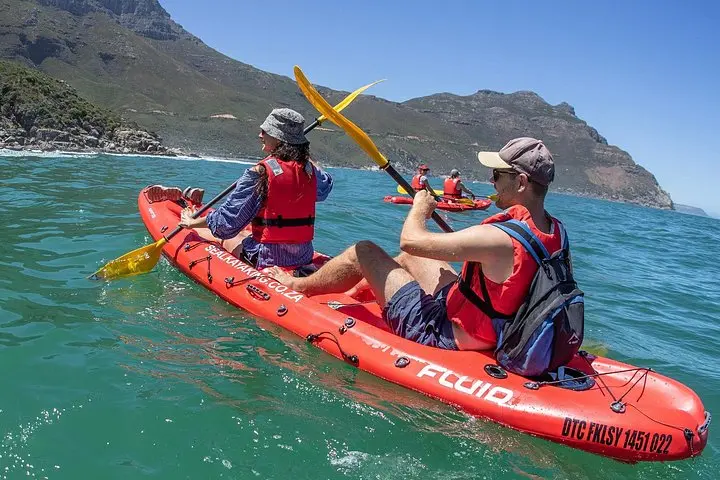
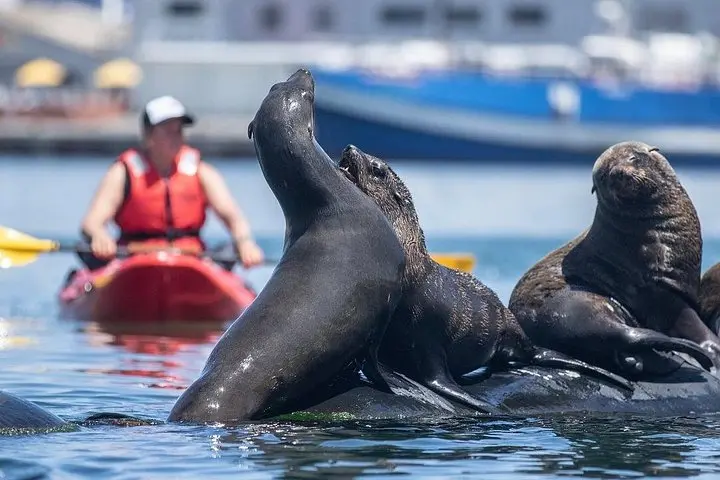
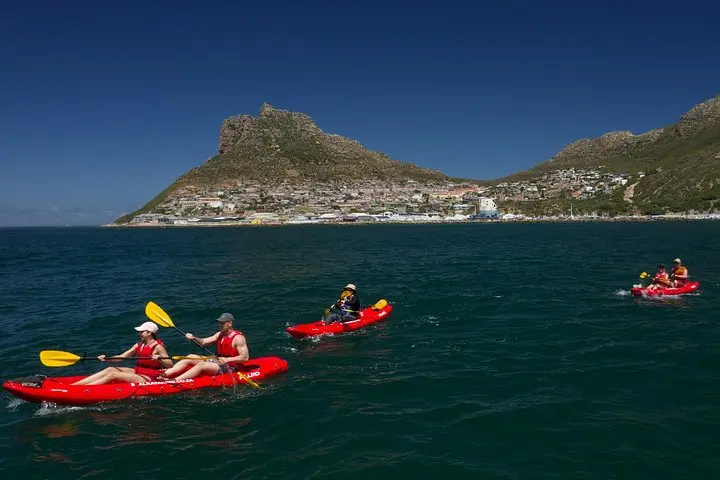
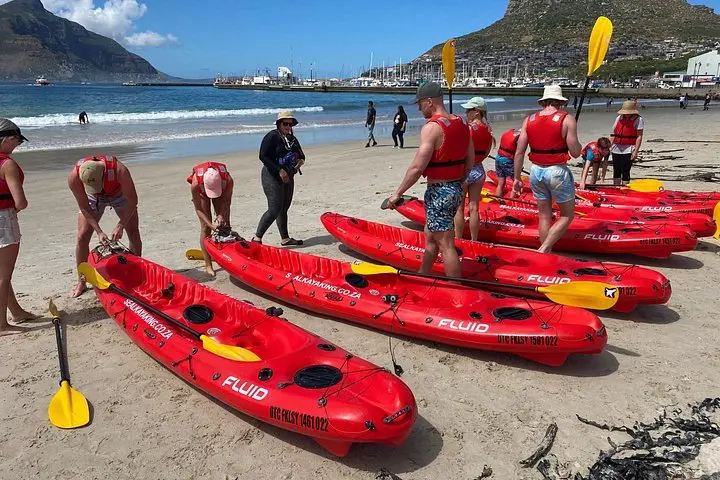
The tide pulls you out of the harbor and the cliffs of Hout Bay loom, their sandstone faces shedding shadow into the blue. Your kayak slices past bobbing kelp and the gulls chatter like harbor traffic; a pod of dolphins arcs ahead, curious and quick. The bay breathes around you—sometimes placid, sometimes pushing back with a chop that tests your stroke.
The tide pulls you out of the harbor and the cliffs of Hout Bay loom, their sandstone faces shedding shadow into the blue. Your kayak slices past bobbing kelp and the gulls chatter like harbor traffic; a pod of dolphins arcs ahead, curious and quick. The bay breathes around you—sometimes placid, sometimes pushing back with a chop that tests your stroke.
Hout Bay began as a working fishing harbor and timber stop—"Hout" means wood in Dutch—and the human imprint is still visible in the piers and market. Geologically the surrounding mountains are part of the Table Mountain group: hard sandstones that form steep cliffs and support fynbos, the hardy shrubland unique to the Cape. Culturally it’s a working village: fishermen, market traders and ocean guides who have read these waters for generations.
On a guided two-hour paddle you’ll thread through kelp forests that brush gunwales and explore rock-cut coves only reachable by sea, keeping an eye out for dolphins, sunfish and seasonal whales offshore. Guides handle navigation, safety briefing and wildlife context so you can focus on the view and the rhythm of paddling.
Practical guidance: arrive in layers, including a windproof shell, and wear closed water shoes. Hydrate before launch—salt air and exertion dehydrate quickly—and secure sunscreen and a hat. If wind picks up, follow your guide’s return plan; currents outside the bay can sharpen quickly. Tours typically limit group size for quieter wildlife encounters and faster response in shifting conditions.