THE ADVENTURE COLLECTIVE® · Independent discovery and booking for outdoor travel

Explore SEA LIFE Nagoya’s 11 themed zones, from a 360° circular tank to hands-on rockpools and a display of giant spider crabs. This practical guide helps you plan a 2–3 hour visit at LEGOLAND Japan’s maritime edge.
Explore SEA LIFE Nagoya’s 11 themed zones, from a 360° circular tank to hands-on rockpools and a display of giant spider crabs. This practical guide helps you plan a 2–3 hour visit at LEGOLAND Japan’s maritime edge.
A hush falls the moment you step through the doors: cool light shafts cut through tank water, schools of yellowtail fusiliers braid around a 360° circular exhibit, and tentative hands meet starfish in a shallow rockpool. SEA LIFE Nagoya sits on Kinjō-futō — a working harbor island where salt air and cranes outline the horizon — and the aquarium turns that maritime edge into an accessible window on coastal life.
Verified experiences and guided adventures in the surrounding area.
Operated by FawSha Travels · Nagoya, Aichi Prefecture
A hush falls the moment you step through the doors: cool light shafts cut through tank water, schools of yellowtail fusiliers braid around a 360° circular exhibit, and tentative hands meet starfish in a shallow rockpool. SEA LIFE Nagoya sits on Kinjō-futō — a working harbor island where salt air and cranes outline the horizon — and the aquarium turns that maritime edge into an accessible window on coastal life.
Opened as part of the LEGOLAND Japan complex, SEA LIFE Nagoya mixes family-focused displays with regional context: local fishing traditions, port reclamation history, and the surprising scale of creatures like the Japanese spider crab that rise from temperate depths. Geology here is recent and human-shaped — filled land and man-made quays that anchor the city’s shipping past and present — but the tanks trace currents that move far beyond Aichi Prefecture.
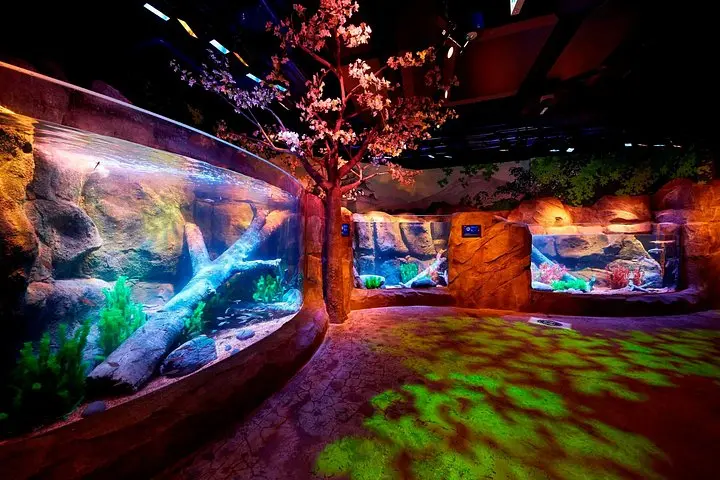
Expect eleven themed zones: a calm circular tank, touch pools, deep-sea interpretation, and habitats built to showcase behavior more than color. Programs and feeding schedules vary; the facility emphasizes handling protocols and guest safety.
Practical guidance: allow 2–3 hours, present your mobile voucher at entry, and time visits around feeding talks to see active animals. Wear comfortable shoes for walking and quick standing-room viewings; bring a compact jacket—the galleries are often cool. Strollers are allowed but large wheeled luggage and outdoor wagons are prohibited. For a smoother visit, arrive near opening or mid-afternoon, and check daily program notes for any suspended shows.
Plan 2–3 hours to see all themed zones, attend a feeding or talk, and use rest and gift shop facilities.
Yes—SEA LIFE Nagoya offers supervised rockpools where you can touch starfish and anemones; staff set handling rules for safety.
The facility is accessible and strollers are permitted, but large outdoor wagons and certain wheeled items are not allowed inside.
Photography for personal use is generally allowed; avoid flash in sensitive exhibits and follow specific signage.
FawSha Travels operates guided outdoor trips and adventures with an emphasis on safety, stewardship, and memorable experiences.
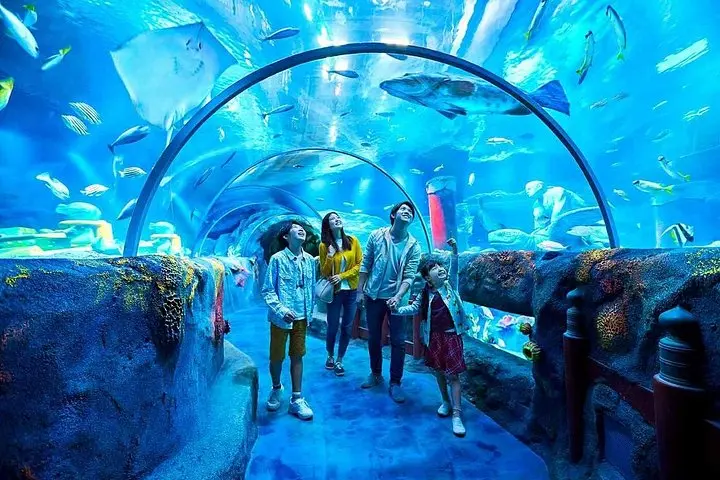
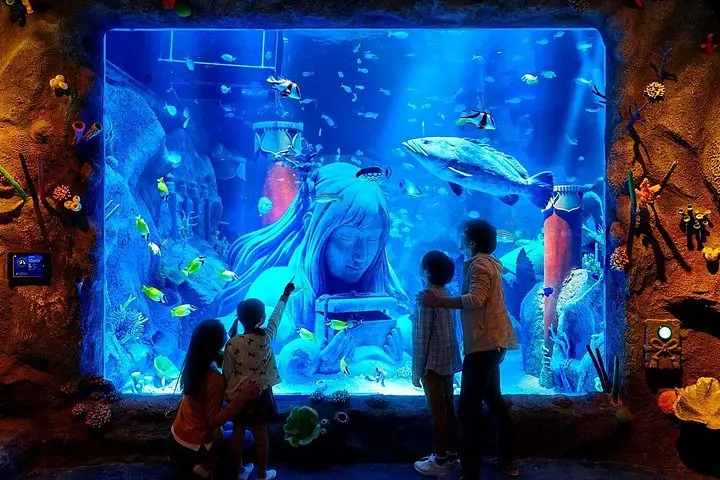
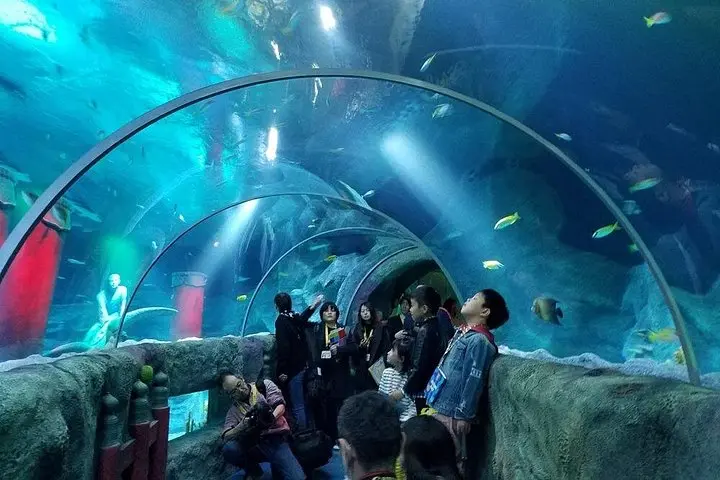
A hush falls the moment you step through the doors: cool light shafts cut through tank water, schools of yellowtail fusiliers braid around a 360° circular exhibit, and tentative hands meet starfish in a shallow rockpool. SEA LIFE Nagoya sits on Kinjō-futō — a working harbor island where salt air and cranes outline the horizon — and the aquarium turns that maritime edge into an accessible window on coastal life.
A hush falls the moment you step through the doors: cool light shafts cut through tank water, schools of yellowtail fusiliers braid around a 360° circular exhibit, and tentative hands meet starfish in a shallow rockpool. SEA LIFE Nagoya sits on Kinjō-futō — a working harbor island where salt air and cranes outline the horizon — and the aquarium turns that maritime edge into an accessible window on coastal life.
Opened as part of the LEGOLAND Japan complex, SEA LIFE Nagoya mixes family-focused displays with regional context: local fishing traditions, port reclamation history, and the surprising scale of creatures like the Japanese spider crab that rise from temperate depths. Geology here is recent and human-shaped — filled land and man-made quays that anchor the city’s shipping past and present — but the tanks trace currents that move far beyond Aichi Prefecture.
Expect eleven themed zones: a calm circular tank, touch pools, deep-sea interpretation, and habitats built to showcase behavior more than color. Programs and feeding schedules vary; the facility emphasizes handling protocols and guest safety.
Practical guidance: allow 2–3 hours, present your mobile voucher at entry, and time visits around feeding talks to see active animals. Wear comfortable shoes for walking and quick standing-room viewings; bring a compact jacket—the galleries are often cool. Strollers are allowed but large wheeled luggage and outdoor wagons are prohibited. For a smoother visit, arrive near opening or mid-afternoon, and check daily program notes for any suspended shows.