THE ADVENTURE COLLECTIVE® · Independent discovery and booking for outdoor travel

Join a five-hour Sea of Cortez expedition from La Paz to snorkel with mobula rays and search for dolphins, sea lions and sharks. Guides prioritize responsible viewing and citizen-science contributions while providing gear and a shore-style lunch.
Join a five-hour Sea of Cortez expedition from La Paz to snorkel with mobula rays and search for dolphins, sea lions and sharks. Guides prioritize responsible viewing and citizen-science contributions while providing gear and a shore-style lunch.
A gray swell rolls beneath the bow as the Sea of Cortez wakes—salty air sharp against the skin, sunlight cutting through scattered cloud. On this five-hour expedition from La Paz, the ocean feels alert: mobula rays cartwheel in silver sheets, dolphins braid through bow wakes, and the occasional sea lion barks from a boulder with practiced curiosity.
Verified experiences and guided adventures in the surrounding area.
Operated by APEX OCEAN DIVERS · La Paz, Baja California Sur
A gray swell rolls beneath the bow as the Sea of Cortez wakes—salty air sharp against the skin, sunlight cutting through scattered cloud. On this five-hour expedition from La Paz, the ocean feels alert: mobula rays cartwheel in silver sheets, dolphins braid through bow wakes, and the occasional sea lion barks from a boulder with practiced curiosity.
Geology here is volcanic and tectonic—steep islands rising from deep water create rich upwellings that feed dense marine life. Jacques Cousteau famously called this sea the "World's Aquarium," and the description fits: high productivity and endemic species make each outing different. Local fishing communities and conservation groups now partner on citizen-science projects, so operators often support photo-ID and data collection.
Expect open-water snorkeling and brief boat transfers to ray aggregation sites; operators provide masks, fins and wetsuits plus a casual shore-side burrito lunch. Sightings are natural and never guaranteed, but guides move with seasonal patterns—mobulas are most often seen in spring and summer when plankton blooms draw them close to the surface.
Practical notes: arrive hydrated and sun-protected, bring a waterproof camera, and be ready for short swims from a small vessel. Listen to crew briefings—keeping distance and no-touch rules protects animals and improves viewing. Plan for light chop and variable wind; non-swimmers can still watch from the boat.
This trip blends wildlife spectacle with low-impact tourism: it's an accessible, science-friendly way to encounter some of the Sea of Cortez's best marine performers.
No—this is wildlife viewing in an open ocean environment; guides choose productive areas but cannot guarantee specific animals.
Yes—participants should be comfortable in open water and able to swim short distances; flotation aids may be available for less confident swimmers.
Snorkel gear (mask, fins, wetsuits) and a shore-style lunch (burritos, fruit, ceviche) are included, plus safety briefings and guides.
Policies vary, but most operators set age or swimming-ability requirements—check booking details and indicate ages during reservation.
APEX OCEAN DIVERS operates guided outdoor trips and adventures with an emphasis on safety, stewardship, and memorable experiences.


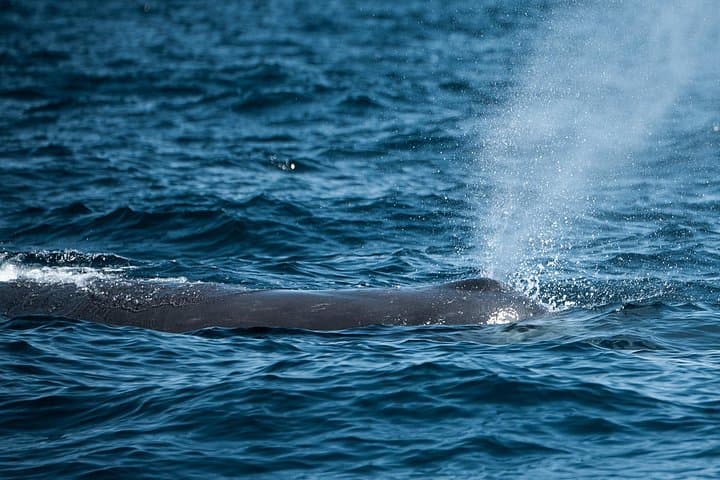
A gray swell rolls beneath the bow as the Sea of Cortez wakes—salty air sharp against the skin, sunlight cutting through scattered cloud. On this five-hour expedition from La Paz, the ocean feels alert: mobula rays cartwheel in silver sheets, dolphins braid through bow wakes, and the occasional sea lion barks from a boulder with practiced curiosity.
A gray swell rolls beneath the bow as the Sea of Cortez wakes—salty air sharp against the skin, sunlight cutting through scattered cloud. On this five-hour expedition from La Paz, the ocean feels alert: mobula rays cartwheel in silver sheets, dolphins braid through bow wakes, and the occasional sea lion barks from a boulder with practiced curiosity.
Geology here is volcanic and tectonic—steep islands rising from deep water create rich upwellings that feed dense marine life. Jacques Cousteau famously called this sea the "World's Aquarium," and the description fits: high productivity and endemic species make each outing different. Local fishing communities and conservation groups now partner on citizen-science projects, so operators often support photo-ID and data collection.
Expect open-water snorkeling and brief boat transfers to ray aggregation sites; operators provide masks, fins and wetsuits plus a casual shore-side burrito lunch. Sightings are natural and never guaranteed, but guides move with seasonal patterns—mobulas are most often seen in spring and summer when plankton blooms draw them close to the surface.
Practical notes: arrive hydrated and sun-protected, bring a waterproof camera, and be ready for short swims from a small vessel. Listen to crew briefings—keeping distance and no-touch rules protects animals and improves viewing. Plan for light chop and variable wind; non-swimmers can still watch from the boat.
This trip blends wildlife spectacle with low-impact tourism: it's an accessible, science-friendly way to encounter some of the Sea of Cortez's best marine performers.