THE ADVENTURE COLLECTIVE® · Independent discovery and booking for outdoor travel

Glide on eco‑friendly sea scooters from Avarua to a shallow, 100‑year‑old shipwreck and the vibrant Coral Gardens. This 2.5‑hour Rarotonga safari mixes hands‑on propulsion with guided reef education and wildlife viewing.
Glide on eco‑friendly sea scooters from Avarua to a shallow, 100‑year‑old shipwreck and the vibrant Coral Gardens. This 2.5‑hour Rarotonga safari mixes hands‑on propulsion with guided reef education and wildlife viewing.
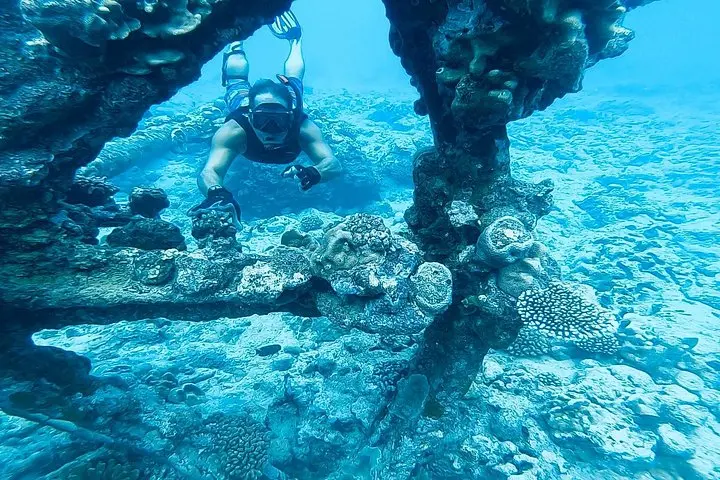
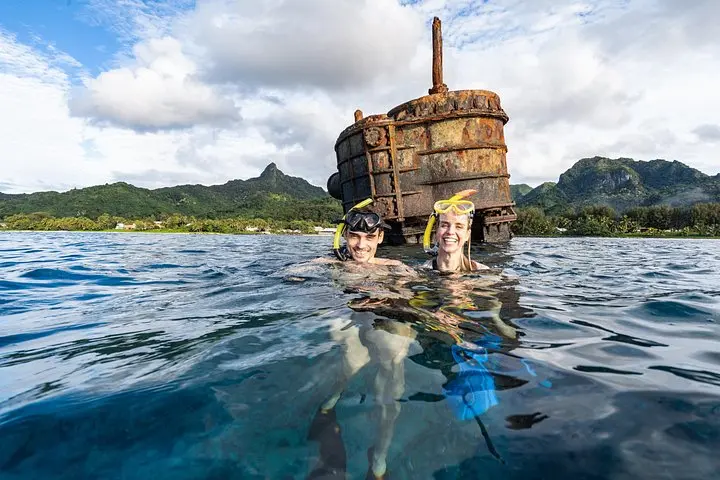
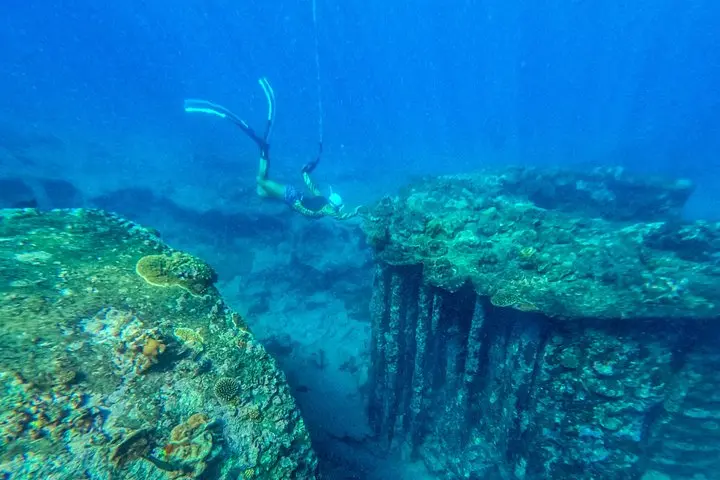
You push off from the Avarua dock and the sea answers with a cool, electric blue—clear water that pulls you forward as the sea scooter hums beneath you. Within minutes the shoreline recedes and the reef opens, revealing a 100‑year‑old shipwreck sitting shallow, its timbers shadowed by passing fish.
Verified experiences and guided adventures in the surrounding area.
Operated by Ariki Adventures · Avarua, Rarotonga
You push off from the Avarua dock and the sea answers with a cool, electric blue—clear water that pulls you forward as the sea scooter hums beneath you. Within minutes the shoreline recedes and the reef opens, revealing a 100‑year‑old shipwreck sitting shallow, its timbers shadowed by passing fish.
This route follows channels carved by volcanic flows around Rarotonga: basalt ridges drop abruptly to sandy gullies where coral gardens thrive. The wreck itself is part marine relic, part habitat—its beams colonized by soft corals and barnacles. Local guides fold Cook Islands history into the briefing, explaining whaling-era and trading routes that once threaded these waters and how modern communities rely on the reef for food and culture.
Expect to encounter green sea turtles grazing on algae, reef sharks cruising the drop-offs, and seasonal visitors like humpback whales farther offshore. The sea scooters make open‑ocean travel accessible: they conserve energy, help you hold position over the reef, and let you focus on wildlife and photography.
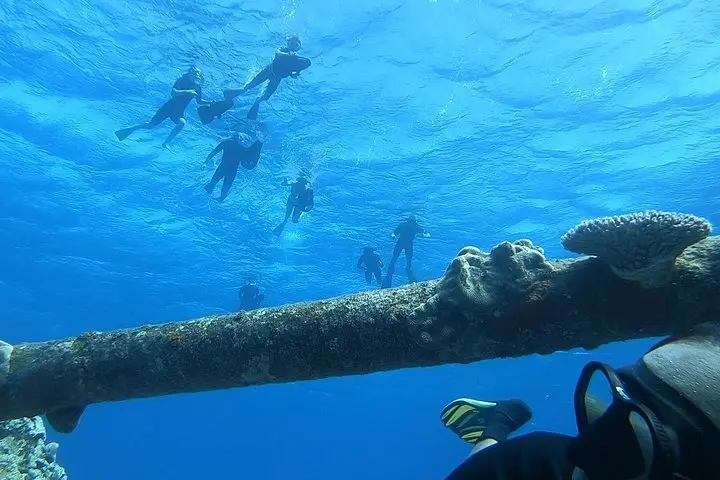
Practical notes: tours run about 2.5 hours, require basic swimming and snorkel experience, and limit groups for safety and reef protection. Use reef‑safe sunscreen, secure action‑camera mounts, and listen to guides for current and boat‑traffic briefings. Morning departures usually offer the calmest water and best visibility; afternoon wind can roughen the surface.
If you want a compact ocean adventure that combines shallow wreck diving, coral gardens, and wildlife viewing without long surface swims, this sea‑scooter safari delivers—a hands‑on, low‑impact way to meet Rarotonga’s reef.
Basic snorkel skills are required—comfort with breathing through a snorkel and swimming in open water—but sea scooters reduce exertion and help keep you on the surface.
The wreck sits about 5 meters below the surface in clear water, shallow enough for snorkelers to observe from above.
No—humpbacks are seasonal visitors; sightings are possible during migration months but not guaranteed on every tour.
Minimum age is 12 years old, and operators typically require a parental waiver for minors.
Ariki Adventures operates guided outdoor trips and adventures with an emphasis on safety, stewardship, and memorable experiences.
You push off from the Avarua dock and the sea answers with a cool, electric blue—clear water that pulls you forward as the sea scooter hums beneath you. Within minutes the shoreline recedes and the reef opens, revealing a 100‑year‑old shipwreck sitting shallow, its timbers shadowed by passing fish.
You push off from the Avarua dock and the sea answers with a cool, electric blue—clear water that pulls you forward as the sea scooter hums beneath you. Within minutes the shoreline recedes and the reef opens, revealing a 100‑year‑old shipwreck sitting shallow, its timbers shadowed by passing fish.
This route follows channels carved by volcanic flows around Rarotonga: basalt ridges drop abruptly to sandy gullies where coral gardens thrive. The wreck itself is part marine relic, part habitat—its beams colonized by soft corals and barnacles. Local guides fold Cook Islands history into the briefing, explaining whaling-era and trading routes that once threaded these waters and how modern communities rely on the reef for food and culture.
Expect to encounter green sea turtles grazing on algae, reef sharks cruising the drop-offs, and seasonal visitors like humpback whales farther offshore. The sea scooters make open‑ocean travel accessible: they conserve energy, help you hold position over the reef, and let you focus on wildlife and photography.
Practical notes: tours run about 2.5 hours, require basic swimming and snorkel experience, and limit groups for safety and reef protection. Use reef‑safe sunscreen, secure action‑camera mounts, and listen to guides for current and boat‑traffic briefings. Morning departures usually offer the calmest water and best visibility; afternoon wind can roughen the surface.
If you want a compact ocean adventure that combines shallow wreck diving, coral gardens, and wildlife viewing without long surface swims, this sea‑scooter safari delivers—a hands‑on, low‑impact way to meet Rarotonga’s reef.