THE ADVENTURE COLLECTIVE® · Independent discovery and booking for outdoor travel

Glide over Tortola’s coral ridges on a sea scooter and watch turtles, rays, and vibrant reef fish without tiring your legs. This guided tour makes reef exploration accessible to beginners while covering safety, etiquette, and local highlights.
Glide over Tortola’s coral ridges on a sea scooter and watch turtles, rays, and vibrant reef fish without tiring your legs. This guided tour makes reef exploration accessible to beginners while covering safety, etiquette, and local highlights.
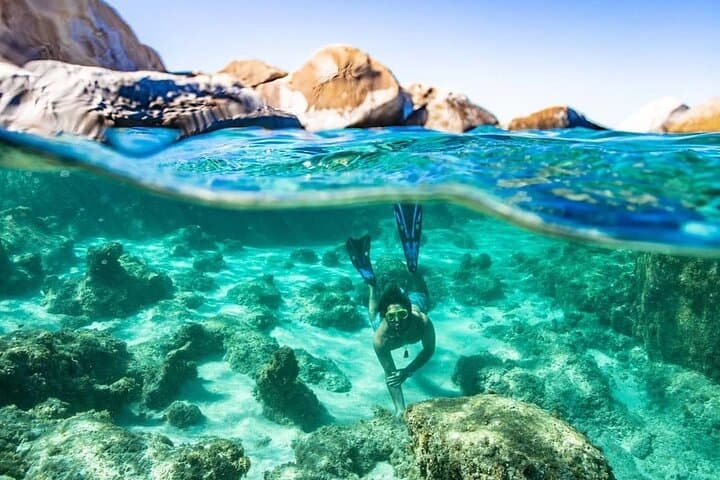
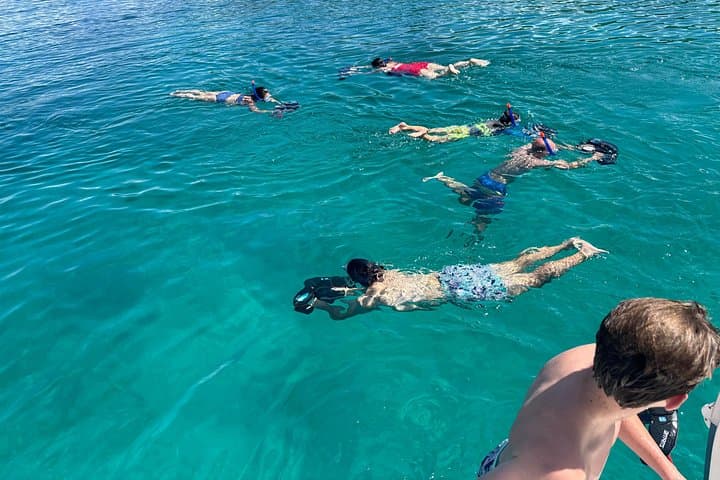
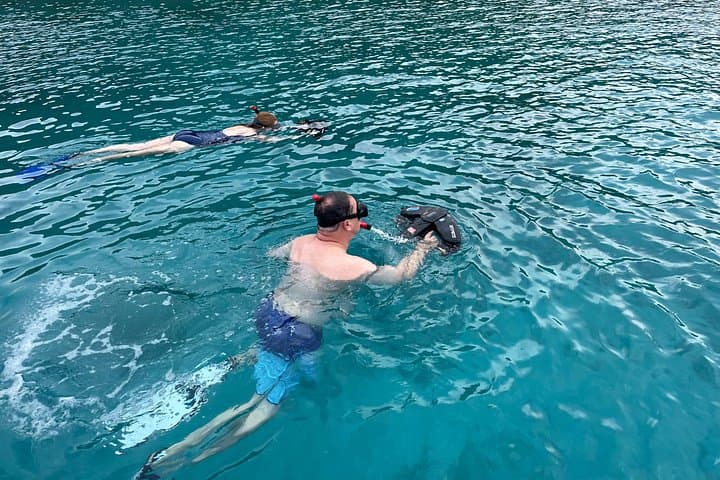
The boat slows, the turquoise light thickens beneath the hull, and a compact sea scooter hums like a small engine of curiosity. On a clear day off Tortola you don a mask, clip into the scooter, and the ocean pulls you forward—no frantic kicking, just a quiet glide past bommies and coral ridges.
Verified experiences and guided adventures in the surrounding area.
Operated by Shore to Shore · Road Town, Tortola
The boat slows, the turquoise light thickens beneath the hull, and a compact sea scooter hums like a small engine of curiosity. On a clear day off Tortola you don a mask, clip into the scooter, and the ocean pulls you forward—no frantic kicking, just a quiet glide past bommies and coral ridges.
Tortola sits on uplifted limestone and volcanic rock, and its reefs reflect that geology in a patchwork of hard coral, sand channels and coral heads. The British Virgin Islands have a long seafaring history—from Arawak and Carib voyagers to colonial-era trade—and the currents here still reward navigators who know the channels. Expect to pass through shallow reef gardens, small walls, and sheltered coves where hawksbill turtles and southern stingrays forage.
Local culture is easygoing: operators often run small groups from Road Town or nearby bays, blending island hospitality with practical safety briefings. Guides point out reef health, seasonal blooms of reef fish, and proper buoyancy around fragile coral.
Practical guidance: this is an accessible activity for most swimmers—sea scooters conserve energy but do not replace common-sense safety. Wear a reef-safe sunscreen, bring a snorkel vest if you want extra floatation, and secure any cameras with straps. Operators provide masks, snorkels and the scooters; briefings cover scooter handling and emergency procedures. Avoid touching coral, follow the guide’s path, and plan for sun exposure and boat motion. With the right prep, a sea scooter day in Tortola turns a snorkel into a measured, efficient exploration of an active Caribbean reef.
No—operators provide a safety briefing and basic handling instruction; beginners are welcome.
Policies vary but children can usually join if they meet minimum age and swim requirements; check operator rules and bring a life vest if offered.
Take motion sickness medication beforehand if you’re prone to seasickness and sit toward the center of the boat for smoother movement.
Yes—this tour supplies snorkeling equipment and sea scooters, plus bottled water and soft drinks as noted in the inclusions.
Shore to Shore operates guided outdoor trips and adventures with an emphasis on safety, stewardship, and memorable experiences.

The boat slows, the turquoise light thickens beneath the hull, and a compact sea scooter hums like a small engine of curiosity. On a clear day off Tortola you don a mask, clip into the scooter, and the ocean pulls you forward—no frantic kicking, just a quiet glide past bommies and coral ridges.
The boat slows, the turquoise light thickens beneath the hull, and a compact sea scooter hums like a small engine of curiosity. On a clear day off Tortola you don a mask, clip into the scooter, and the ocean pulls you forward—no frantic kicking, just a quiet glide past bommies and coral ridges.
Tortola sits on uplifted limestone and volcanic rock, and its reefs reflect that geology in a patchwork of hard coral, sand channels and coral heads. The British Virgin Islands have a long seafaring history—from Arawak and Carib voyagers to colonial-era trade—and the currents here still reward navigators who know the channels. Expect to pass through shallow reef gardens, small walls, and sheltered coves where hawksbill turtles and southern stingrays forage.
Local culture is easygoing: operators often run small groups from Road Town or nearby bays, blending island hospitality with practical safety briefings. Guides point out reef health, seasonal blooms of reef fish, and proper buoyancy around fragile coral.
Practical guidance: this is an accessible activity for most swimmers—sea scooters conserve energy but do not replace common-sense safety. Wear a reef-safe sunscreen, bring a snorkel vest if you want extra floatation, and secure any cameras with straps. Operators provide masks, snorkels and the scooters; briefings cover scooter handling and emergency procedures. Avoid touching coral, follow the guide’s path, and plan for sun exposure and boat motion. With the right prep, a sea scooter day in Tortola turns a snorkel into a measured, efficient exploration of an active Caribbean reef.