THE ADVENTURE COLLECTIVE® · Independent discovery and booking for outdoor travel

Ride a cable car from Bergen’s historic harbor to Mt. Ulriken, walk the summit trails where Vikings once navigated, and take in fjord-to-mountain panoramas. This short, guided Sea to Summit tour blends accessible hiking with Viking history and views that reward minimal effort.
Ride a cable car from Bergen’s historic harbor to Mt. Ulriken, walk the summit trails where Vikings once navigated, and take in fjord-to-mountain panoramas. This short, guided Sea to Summit tour blends accessible hiking with Viking history and views that reward minimal effort.
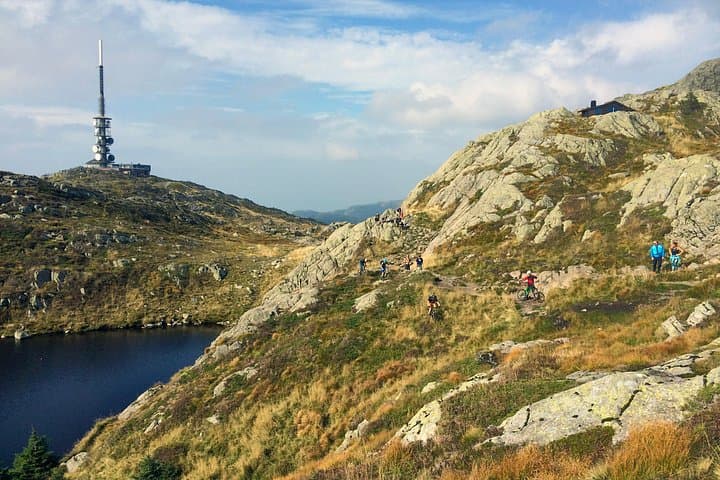
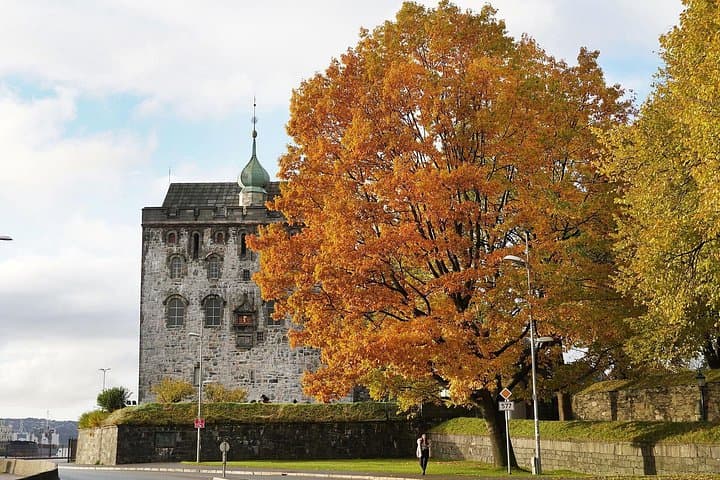
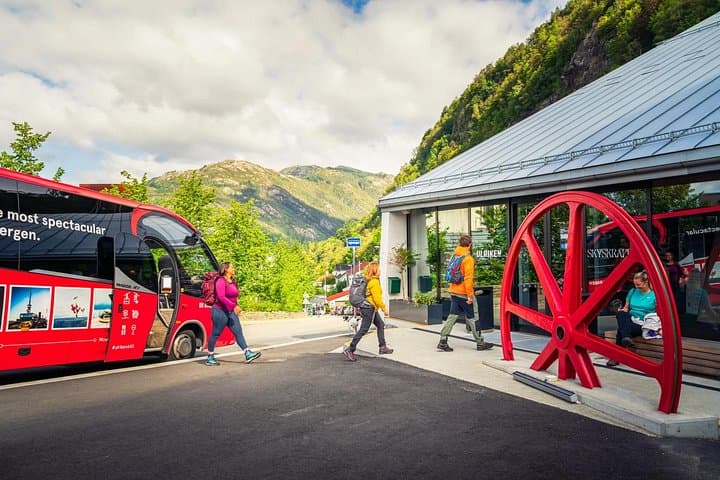
The harbor wind pushes up from the fjord and you can almost hear longships cutting the water as you stand in Bergen’s old quarter. The tour begins at the wharf—Bryggen’s timbered façades on one side, the bus waiting on the other—then moves inland, ascending toward Ulriken’s craggy ridge by bus and cable car. At the summit the city unfolds: rooftops, fjord arms, and distant glaciers folded into the horizon.
Verified experiences and guided adventures in the surrounding area.
Operated by Bergen Base Camp · Bergen, Vestland
The harbor wind pushes up from the fjord and you can almost hear longships cutting the water as you stand in Bergen’s old quarter. The tour begins at the wharf—Bryggen’s timbered façades on one side, the bus waiting on the other—then moves inland, ascending toward Ulriken’s craggy ridge by bus and cable car. At the summit the city unfolds: rooftops, fjord arms, and distant glaciers folded into the horizon.
Bergen was founded by King Olav Kyrre in the 11th century and grew into a Hanseatic trade hub; Ulriken was a landmark for Norse sailors and later a strategic high ground. Geologically, the mountain is part of the Norwegian crystalline bedrock—steep, wind-sculpted slopes, thin alpine soils, and pockets of heath and birch woodland. Culturally the route threads history and modern life: you’ll pass vestiges of medieval trade, wartime lookouts and recent mountain-station facilities where locals picnic and hike.
Practical guidance: the tour includes roundtrip cable car and bus, saving energy for short summit walks and panoramic viewpoints. Trails range from paved upper-station paths to rocky singletrack; plan for exposed wind on the crest. Wear sturdy footwear, layer for sudden weather shifts, and bring water—shops are limited on the summit outside peak café hours. If you want a longer day, link to the Vidden ridge toward Fløyen for a full traverse between Bergen’s two big peaks.
Timing: morning or late afternoon offers softer light and fewer crowds. Respect marked paths to limit erosion; the mountain’s plants are slow to recover. This is an accessible slice of Norway’s Viking past with immediate, alpine-scale views.
Yes—roundtrip Mt. Ulriken cable car tickets and bus transfer from the city center are included in the tour.
Most summit routes are short and manageable; terrain ranges from paved paths to rocky singletrack—basic mobility and good footwear are sufficient.
Children are welcome; the tour notes stroller accessibility for some sections, but steep or rocky summit trails may not be stroller-friendly—children should be supervised.
The operator can cancel for bad weather; dress in layers since conditions on the summit can change rapidly even on otherwise clear days.
Bergen Base Camp operates guided outdoor trips and adventures with an emphasis on safety, stewardship, and memorable experiences.

The harbor wind pushes up from the fjord and you can almost hear longships cutting the water as you stand in Bergen’s old quarter. The tour begins at the wharf—Bryggen’s timbered façades on one side, the bus waiting on the other—then moves inland, ascending toward Ulriken’s craggy ridge by bus and cable car. At the summit the city unfolds: rooftops, fjord arms, and distant glaciers folded into the horizon.
The harbor wind pushes up from the fjord and you can almost hear longships cutting the water as you stand in Bergen’s old quarter. The tour begins at the wharf—Bryggen’s timbered façades on one side, the bus waiting on the other—then moves inland, ascending toward Ulriken’s craggy ridge by bus and cable car. At the summit the city unfolds: rooftops, fjord arms, and distant glaciers folded into the horizon.
Bergen was founded by King Olav Kyrre in the 11th century and grew into a Hanseatic trade hub; Ulriken was a landmark for Norse sailors and later a strategic high ground. Geologically, the mountain is part of the Norwegian crystalline bedrock—steep, wind-sculpted slopes, thin alpine soils, and pockets of heath and birch woodland. Culturally the route threads history and modern life: you’ll pass vestiges of medieval trade, wartime lookouts and recent mountain-station facilities where locals picnic and hike.
Practical guidance: the tour includes roundtrip cable car and bus, saving energy for short summit walks and panoramic viewpoints. Trails range from paved upper-station paths to rocky singletrack; plan for exposed wind on the crest. Wear sturdy footwear, layer for sudden weather shifts, and bring water—shops are limited on the summit outside peak café hours. If you want a longer day, link to the Vidden ridge toward Fløyen for a full traverse between Bergen’s two big peaks.
Timing: morning or late afternoon offers softer light and fewer crowds. Respect marked paths to limit erosion; the mountain’s plants are slow to recover. This is an accessible slice of Norway’s Viking past with immediate, alpine-scale views.